
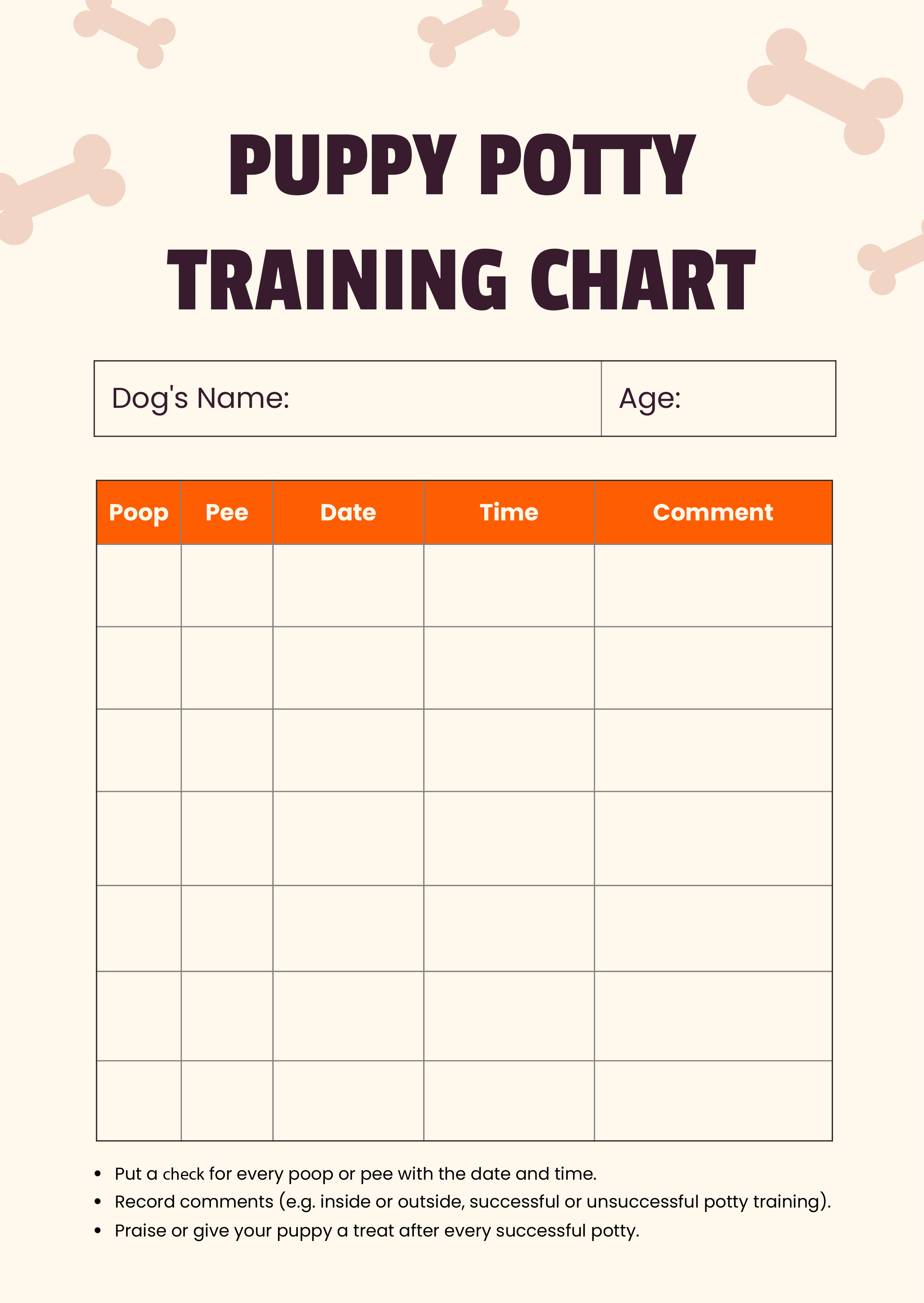
Bringing a new puppy into your home is an exciting milestone, but establishing a consistent puppy training schedule is essential for a happy, well-adjusted pet. Without a clear routine, potty training can become a struggle, and your puppy may become overtired or anxious. An 8-week-old puppy requires structure to process their new environment and develop healthy habits.
This comprehensive 18-step guide covers everything from potty breaks and meal times to essential rest periods, ensuring your puppy’s physical and developmental needs are met throughout the day.
The Foundation of Puppy Routines
A successful puppy training schedule relies on consistency. Young puppies have small bladders and high energy levels, followed by a deep need for sleep—often up to 18 hours a day. By following a rhythmic cycle of “Wake, Potty, Play, Eat, Sleep,” you provide the predictability your pup needs to feel secure.
Step 1 to 4: Starting the Morning Right
- 7:00 A.M. – 7:10 A.M.: Morning Potty & Walk
The day begins immediately with a potty break. Once they relieve themselves, go for a short walk. A good rule of thumb for dog walking is 5 minutes for every month of age, four times a day. For an 8-week-old, a 10-minute walk is perfect. - 8:00 A.M.: The Second Potty Opportunity
Before breakfast, give them another chance to go. This isn’t a walk; simply carry them to their designated spot. If they don’t go within 5 minutes, bring them back to the dog crate and try again 10 minutes later. - 8:20 A.M.: First Meal
Wait for your puppy to calm down before offering their first meal of the day. - 8:25 A.M. – 10:00 A.M.: Morning Nap
Puppies need sleep to process impulses and rest their growing joints. Direct them to their crate for a focused rest period.
Step 5 to 8: Mid-Day Consistency
- 10:10 A.M. – 10:20 A.M.: Potty & Play
As soon as your puppy wakes up, take them outside immediately. Consistently placing them in the same spot helps with potty training speed. Follow this with another 10-minute walk. - 12:00 P.M.: Pre-Lunch Potty
Repeat the “no-walk” potty routine. Carry them to the spot, wait 5 minutes, and reward success with a “good boy/girl” and a treat. - 12:30 P.M.: Second Meal
Serve lunch once the puppy has settled down. - 12:40 P.M. – 2:30 P.M.: Rest Period
Back to the crate for a necessary mid-day nap.
Step 9 to 12: Afternoon Routine
- 2:30 P.M. – 2:40 P.M.: Potty & Afternoon Walk
Immediately upon waking, head outside for a bathroom break and a 10-minute stroll. - 4:30 P.M. – 4:40 P.M.: Pre-Dinner Potty
Another quick relief break to ensure they are comfortable before their next meal. - 5:00 P.M.: Third Meal
Feeding at the same time every day helps regulate their digestive system. - 5:10 P.M. – 6:30 P.M.: Nap Time
Allow the puppy to digest and rest in their designated quiet area.
Step 13 to 18: Evening and Overnight
- 6:30 P.M. – 6:40 P.M.: Potty & Evening Play
A final short walk for the day to burn off any remaining “zoomies.” - 8:30 P.M. – 8:40 P.M.: Quick Potty Break
A brief visit to the designated spot before the final meal. - 9:15 P.M.: Fourth Meal
The final feeding of the day. - 9:20 P.M. – 11:20 P.M.: Final Nap
A short rest before the late-night bathroom break. - 11:20 P.M. – 11:30 P.M.: Last Potty Opportunity
Ensure they empty their bladder one last time to help them through the night. - 11:30 P.M. – 7:00 A.M.: Overnight Sleep
Place the crate near your bed for the first few nights. This allows the puppy to smell and hear you, reducing anxiety. If you hear them tossing and turning, they likely need a middle-of-the-night potty break.
Conclusion
Establishing a puppy training schedule is the most effective way to prevent accidents and manage energy levels. While the repetition may seem intense, it builds a foundation of trust and understanding between you and your new companion. By sticking to these 18 steps, you are setting your puppy up for long-term success in housebreaking and behavior.
If you are looking for further support in your journey, consider resources like Healthy Paws Pet Insurance for peace of mind regarding medical costs, or a BarkBox subscription to keep your growing pup engaged with age-appropriate toys.
References:
- Puppy Training Basics: American Kennel Club (AKC).
- Crate Training 101: Association of Professional Dog Trainers (APDT).
- Nutritional Requirements for Puppies: Veterinary Medical Association.