
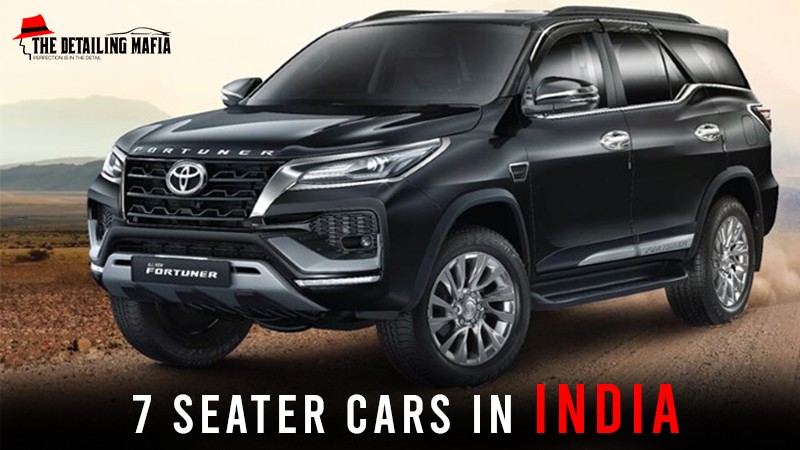
Searching for a 10 seater luxury car in India usually leads to disappointment: no mainstream manufacturer builds a genuine luxury vehicle with ten factory-fitted seats for this market. If you’re trying to move a large family, an extended household, or a group of business guests in comfort, that gap can leave you unsure what to do next. Do you settle for a commercial van, split the trip across two SUVs, or pursue a customized conversion? This guide sorts out which route actually fits your seat count, your budget, and India’s registration rules, so you can make one informed purchase instead of chasing conflicting listings.
No factory-built 10-seat luxury passenger car exists in India today. The closest legitimate options are premium MPVs seating 7 to 8 people, such as the Toyota Vellfire, Kia Carnival, and Lexus LM. Or there are commercial-grade vans like the Force Urbania and Tata Winger Plus, converted after purchase to carry 9 to 13 passengers in upgraded interiors. Reaching a genuine 10-seat capacity with luxury-level comfort therefore means either accepting a converted commercial platform or combining two smaller premium vehicles.
The Reality of Luxury 10-Seater Cars in the Indian Market
The reason is largely regulatory and economic. Vehicles seating ten or more people are typically homologated in India as commercial or contract-carriage vehicles rather than private passenger cars. That puts them under different emission, taxation, and permit rules than a standard sedan or SUV. Luxury automakers building for the Indian market concentrate instead on best luxury car price in india points by offering 7-8 seat configurations. Engineering a full luxury interior around a ten-seat layout on a commercial chassis isn’t commercially attractive at low sales volumes.
That’s why the vehicles that do offer 9 or 10 seats in India skew utilitarian rather than plush. The Force Motors Trax Cruiser, for instance, is sold as a 10-seater priced from around Rs. 12.32 lakh, and owner feedback frames it as a solid utility vehicle for families and taxi operators rather than a luxury product. It’s also noted for handling rough roads well, helped by higher ground clearance and a strong rear air-conditioning setup. Those are useful traits, but not the executive-seating experience most buyers searching for a 10 seater luxury car actually want.
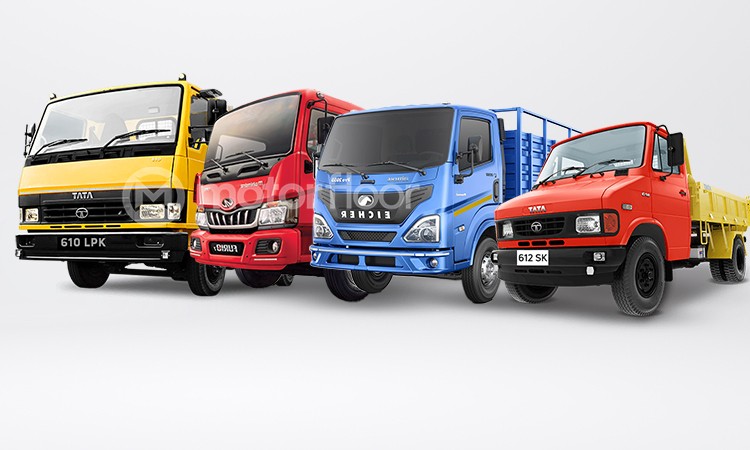
If luxury finish and a true 10-seat count both matter to you, you are choosing a workaround, not an off-the-shelf product. Every option covered below sits somewhere on that spectrum between factory refinement and after-market capacity, and the best 10 seater premium vehicles for families in practice are the ones where the trade-off is deliberate rather than accidental.
Practical Alternatives for 9–10 Seat Requirements
Once you accept that a true luxury 10-seater doesn’t exist in India, three realistic paths remain, each trading capacity against finish and running cost differently.
One option is a premium MPV seating 7 or 8 — the Toyota Vellfire, Kia Carnival, or Lexus LM. These are built around executive seating, captain chairs in the middle row, sliding rear doors, and factory-grade premium interiors, but capped below ten seats. Another is a commercial-grade van, most commonly the Force Urbania or Tata Winger Plus, converted after purchase to carry 9 to 13 passengers with varying degrees of luxury finish. A third, and often overlooked, option is running two 7-seat SUVs instead of one large vehicle, which sidesteps commercial-registration complications entirely but doubles fuel, insurance, and driver costs.
| Loại xe | Sức chứa tối đa | Giá xe gốc (INR) | Chi phí độ ước tính (INR) | Tiện nghi chính |
|---|---|---|---|---|
| Toyota Vellfire | 7 chỗ | 1,20,00,000+ | Không áp dụng (nguyên bản) | Ghế massage chỉnh điện, cửa sổ trời đôi, hệ thống âm thanh JBL |
| Force Urbania | 10-13 chỗ | 15,00,000 – 25,00,000 | 5,00,000 – 10,00,000 | Không gian đứng bên trong, hệ thống điều hòa trần, tùy chỉnh ghế limousine |
| Tata Winger Plus | 10-12 chỗ | 14,00,000 – 18,00,000 | 4,00,000 – 8,00,000 | Chi phí vận hành thấp, sàn phẳng, thích hợp cải tạo xe gia đình dài hạn |
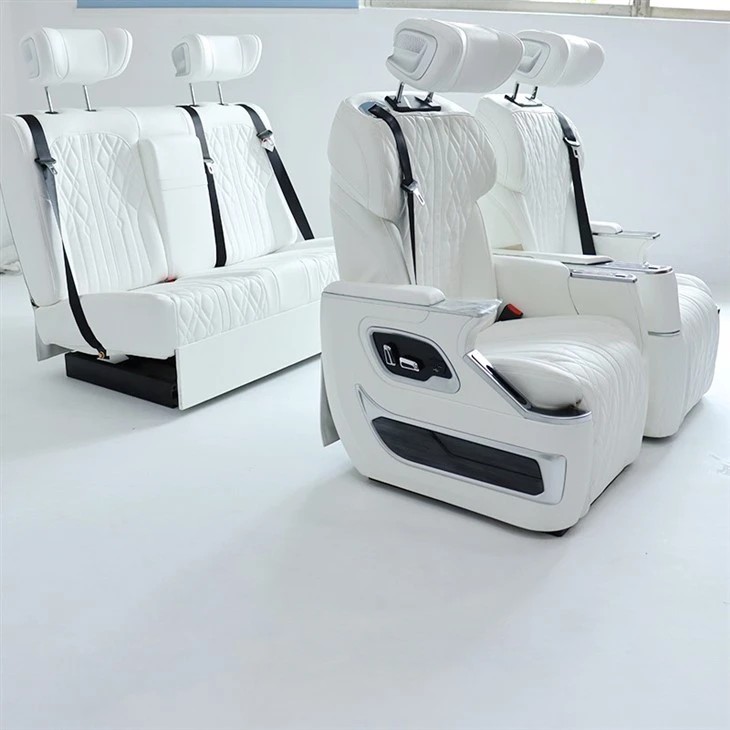
The price gap in the table is the headline number, but it understates the real difference. A Vellfire or a Lexus LM arrives finished from the factory, complete with ADAS features and, in some trims, a hybrid powertrain. A Force Urbania or Winger Plus arrives as a commercial shell that still needs the interior work covered later in this guide before it resembles a luxury cabin.
Comparing Space and Comfort Across Options
Seating capacity is the obvious differentiator, but luggage space moves in the opposite direction as seat count rises. A converted 10-seat van typically sacrifices boot volume for a third and fourth row, while a 7-seat premium MPV keeps a dedicated luggage bay behind the last row. For families who travel with substantial baggage, that trade-off matters as much as raw seat count.
Amenities diverge sharply too. Factory MPVs offer integrated entertainment screens, ventilated captain chairs, and driver-assistance systems as standard fitment. A converted van gets these only if the customization package includes them, and quality varies by workshop. Some benz 7 seater india alternatives and similar premium options offer smoother driving manners than older manual-only commercial vans, which matters on longer routes.
Maneuverability in large cities favors the shorter-wheelbase MPVs. A Vellfire or Carnival, built on a passenger-car wheelbase, turns and parks closer to a large SUV. A Force Urbania, built on a commercial van wheelbase, behaves more like a light truck in tight lanes and multi-level parking structures.
Total Cost of Ownership Analysis
Upfront price is only the starting point. A commercial-based conversion adds interior customization cost on top of the base vehicle, plus the registration and tax implications covered in the legal section below. As a result, the real entry cost for a Force Urbania sits closer to Rs. 20-35 lakh once a mid-tier luxury package is included, not the Rs. 15-25 lakh base price alone.
Running costs differ structurally as well. Commercial-category vehicles are generally taxed annually rather than through the one-time lifetime road tax private buyers pay on passenger cars. Insurance for a vehicle carrying nine or more passengers typically factors in passenger liability cover, which raises the premium relative to a private 7-seat SUV of similar value.
A simple decision rule: if your household would use the extra capacity fewer than a handful of times a month, the math is hard to justify. The ongoing commercial tax and insurance load on a converted van is unlikely to be offset by the seats you rarely fill.
Force Urbania và các xe van thương mại độ hạng sang
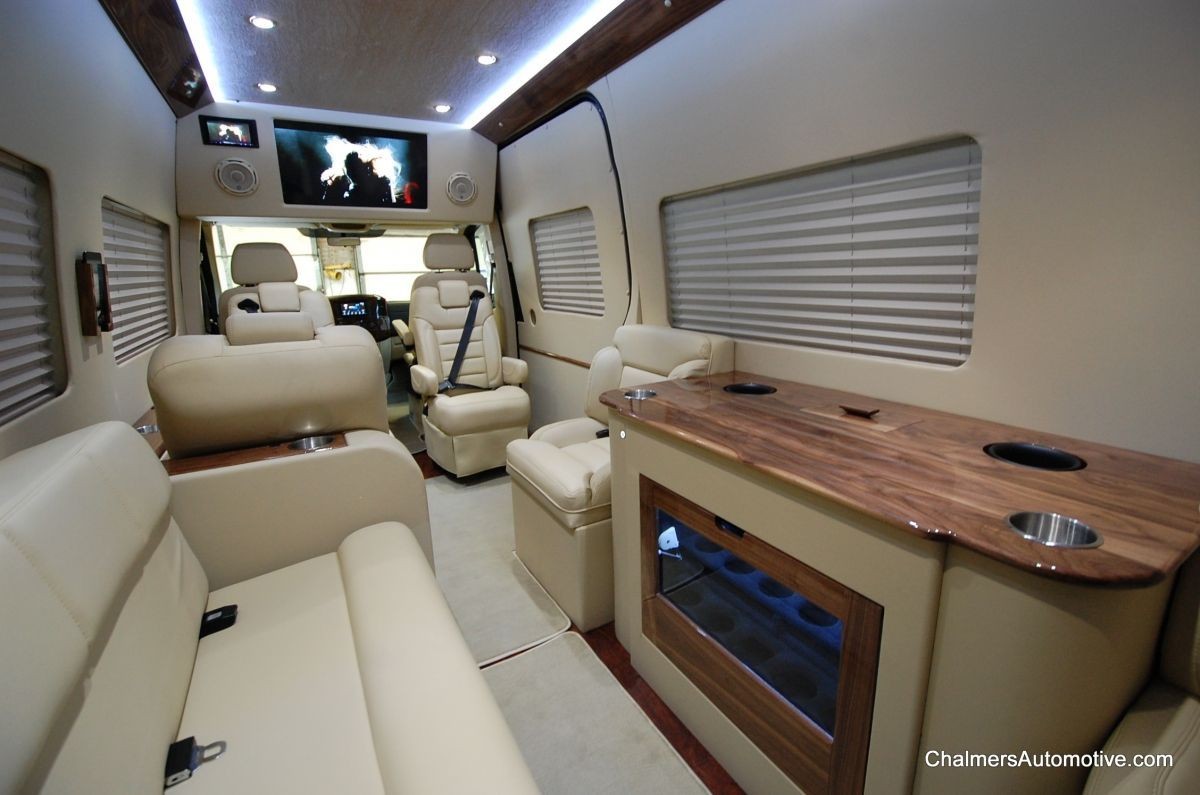
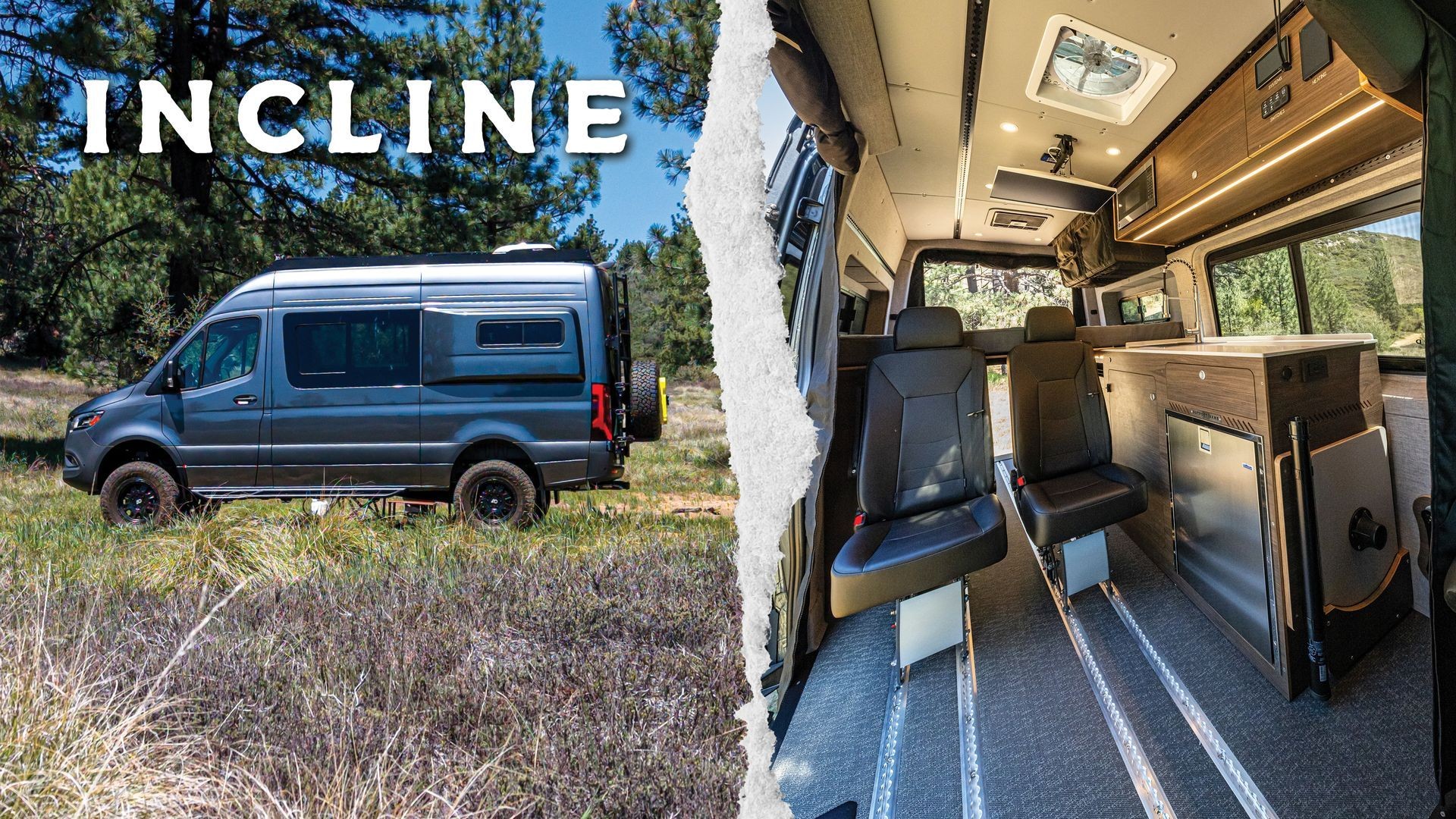
The Force Urbania starts life as a commercial passenger van, not a luxury product. Its factory specification is built for fleet duty, with a tall roofline, flat floor, and a cabin height that allows most adults to stand upright inside — a trait few Indian passenger vehicles offer at any price. That headroom is precisely what makes it a popular base for luxury MPVs with captain seats in India once a customization shop reworks the interior.
The conversion process typically starts with stripping the stock bench seating and floor covering, then rebuilding the cabin around a chosen seating layout — usually captain chairs for the middle rows and a bench or additional captain seats at the rear. That’s followed by soundproofing, headliner and wall trim replacement, and finally electronics such as entertainment screens or a partition between the driver and passenger cabin.
Chi tiết các gói độ nội thất và chi phí ước tính
Workshops generally offer three broad tiers of interior conversion, though naming and inclusions vary by shop:
- A basic package covers leatherette or leather seat trim, additional sound insulation, and an upgraded audio system, and commonly runs in the range of Rs. 5,00,000 to 7,00,000 as an estimate.
- A premium package adds powered reclining seats, individual passenger entertainment screens, and ambient lighting, typically pushing the estimated total closer to Rs. 7,00,000 to 10,00,000.
- A top-tier package includes powered massage seats, a full glass or fabric partition, refrigerated storage, and premium audio, which can push estimated conversion costs beyond Rs. 10,00,000 depending on the workshop and materials chosen.
Total Cost = Base Vehicle Price + Interior Customization Package + RTO Conversion & Registration Fees
- Base Vehicle Price: the on-road price of the base commercial vehicle, for example a Force Urbania priced from roughly Rs. 15,00,000 to 25,00,000.
- Interior Customization Package: the cost of seat conversion, soundproofing, and entertainment fitment, typically Rs. 5,00,000 to 10,00,000 depending on the tier chosen.
- RTO Conversion & Registration Fees: the differential tax and processing charges tied to converting the registration category, discussed in the next section.
Worked example: Rs. 20,00,000 (base vehicle) + Rs. 7,50,000 (premium interior package) + Rs. 1,50,000 (estimated RTO fees and tax) works out to an estimated Rs. 29,00,000 total for a fully converted, premium-tier Urbania. That’s a planning estimate, not a fixed quote, since actual workshop pricing varies.
Lựa chọn đơn vị độ uy tín và bảo hành
Not every conversion workshop offers the same quality of materials or the same after-sale support, and this is where a rushed purchase decision tends to cost the most later. A reliable shop should provide a written scope of work and itemized material specifications (leather grade, foam density, wiring gauge). It should also offer a warranty period on the conversion work, separate from the vehicle’s own manufacturer warranty.
A common failure mode worth watching for is a workshop that quotes a single lump-sum figure without itemizing seat hardware, electrical work, and trim separately. That structure makes it hard to identify what happens if one component fails within the warranty period. Ask specifically whether the seat mechanisms, wiring, and any added electronics carry their own component-level warranty. These are the parts most likely to need service within the first two years.
Material and safety quality also deserve scrutiny before signing off on a package. Seat mounting points that aren’t reinforced to the original chassis anchor points are a genuine safety concern in a vehicle that will carry nine or more passengers. Ask the workshop to confirm seat anchoring meets the same structural standard as the factory-fitted seats it replaces.
Thủ tục pháp lý và đăng ký biển số cá nhân
A Force Urbania or Tata Winger Plus, as sold by the manufacturer, is registered as a commercial or transport-category vehicle. Converting it into a private, personally-owned vehicle for family or executive use — rather than for commercial hire — is not automatic. It requires an application to change the registration category at the Regional Transport Office (RTO). Buyers considering this route for chauffeur-driven travel or as a top luxury people carrier for business travel should plan for that process before finalizing a purchase.
This distinction matters because trust in the vehicle you’re buying depends on getting the paperwork right from the start. A factory-built passenger MPV like the Toyota Vellfire is registered as a private vehicle from day one. A Force Urbania bought for family use is not, until this conversion process is completed.
Chi tiết thủ tục đăng ký biển trắng cho xe 10 chỗ
The general path to converting a commercial-registered vehicle to private use follows four steps:
- Submit an application for change of vehicle use classification at the local RTO, along with the original ownership and registration documents.
- Complete a fitness test on the vehicle to confirm it meets the safety standards applicable to privately registered passenger vehicles.
- Pay the differential tax and processing fees associated with the registration category change, as assessed by the RTO.
- Receive an updated Registration Certificate (RC) reflecting private, white-plate registration, and update the insurance policy to match the new category.
Processing timelines vary by state and RTO backlog. As a planning estimate, buyers should budget four to eight weeks from application to a completed RC update. The combined processing fees and tax differential for a vehicle in this price band commonly total an estimated Rs. 1,00,000 to 2,00,000, though this figure depends on the specific RTO and the vehicle’s assessed value. No shortcut exists that legally bypasses the fitness test or the fee assessment — treat any workshop or dealer promising to skip these steps as a red flag rather than a convenience.
Vấn đề bảo hiểm và phí đường bộ sau chuyển đổi
Insurance has to be updated alongside the registration change, since a commercial policy and a private passenger policy price risk differently. A commercial policy generally reflects higher passenger liability exposure and different usage assumptions than a private family policy, so the premium typically shifts once the RC reflects private use.
Road tax follows the same split. Commercial-category vehicles are usually taxed on an annual or periodic basis, while privately registered passenger vehicles in most states pay a one-time lifetime road tax at registration. A buyer who completes the RTO conversion should confirm which tax regime now applies, since paying under the wrong category can create compliance issues at the time of resale.
Resale value is worth flagging here too. A vehicle with a documented, completed conversion to private registration is materially easier to sell to a family buyer than one still carrying a commercial RC. The next buyer avoids repeating the entire process.
Tiêu chí quyết định chọn xe van độ hay xe MPV cao cấp
With the cost and legal picture in view, the remaining question is which path actually fits your household. The honest answer depends less on brand preference and more on how often you genuinely need ten seats at once.
| Yếu tố quyết định | Xe van thương mại độ | MPV cao cấp nguyên bản | Ghi chú |
|---|---|---|---|
| Sức chứa hành khách | 9 – 13 hành khách | 7 – 8 hành khách | Xe van tối ưu cho gia đình cực lớn hoặc kinh doanh dịch vụ VIP |
| Không gian nội thất | Rộng rãi, có thể đứng thẳng bên trong xe | Hạn chế hơn, thiết kế tối ưu cho ngồi ngả | Xe van mang lại cảm giác như phòng khách di động |
| Chi phí đầu tư ban đầu | Thấp hơn tính trên mỗi ghế ngồi | Rất cao (xe nhập khẩu nguyên chiếc) | Cần cộng thêm chi phí thời gian và tiền độ nội thất |
Phân tích nhu cầu sử dụng thực tế
If ten-plus passengers travel together at least weekly — a joint family, a regular staff shuttle, or frequent group travel for business — the seat-count advantage of a converted van generally justifies the extra registration effort. If that need arises only occasionally — for holidays or large family events a few times a year — the recurring commercial-tax and insurance load of a van is harder to justify against its actual use.
Daily route matters as much as headcount. A van used mostly for long highway runs between cities tolerates its wheelbase and turning radius far better than one expected to navigate narrow residential lanes and multi-level parking every day. The same vehicle can feel completely different depending on where most of its mileage happens.
Đánh giá khả năng tài chính và dài hạn
Budget for a converted van needs to account for the base vehicle, the interior package, and RTO conversion fees together, not the base price alone. That gap is the single most common source of buyer’s-remorse in this segment. Over a five-year ownership period, commercial-origin vehicles also tend to carry higher scheduled maintenance costs, since commercial-grade drivetrains are serviced on shorter intervals than passenger-car equivalents.
Resale liquidity favors factory MPVs. A Toyota Vellfire or Kia Carnival sells into an established used-luxury-MPV market. A converted Urbania or Winger sells into a much smaller pool of buyers specifically seeking a best luxury car under 1 crore in india or alternative high-end people mover, which typically means a longer time to sell and more price negotiation at resale.
Những lưu ý thực tế khi sử dụng xe van cỡ lớn tại đô thị
A vehicle in the 5-to-6-metre length class behaves differently from a standard SUV in everyday Indian city conditions. This is where many first-time buyers of luxury multi purpose vehicles for long road trips underestimate the day-to-day friction.
Before committing, it helps to check a short list of physical constraints against your actual home and office locations:
- Check the clear height of your apartment or office basement parking; large vans generally need a minimum clearance of about 2.6 to 2.8 metres to enter safely.
- Verify the turning radius and internal road width at your residential society or gated community, since a vehicle longer than 5-6 metres struggles in lanes designed for hatchbacks and sedans.
- Confirm that a service center within reasonable distance has a lift rated for the vehicle’s gross weight, since not every neighborhood garage is equipped to service a commercial-based van.
Kinh nghiệm di chuyển tại các thành phố lớn
Parking is the most common daily friction point. Street parking bays sized for sedans often can’t accommodate a van’s length, which pushes owners toward paid multi-level parking or dedicated society parking bays reserved in advance. That’s a real ongoing cost that rarely appears in the initial purchase math.
During peak traffic hours, the longer wheelbase and wider turning circle make lane changes and U-turns noticeably slower than in a 7-seat SUV. Drivers accustomed to smaller vehicles typically need a short adjustment period before city driving in a van of this size feels routine. A number of parking-availability apps common in major Indian cities let drivers filter by vehicle height and length before heading out. That’s a practical way to avoid arriving at a facility the van can’t physically enter.
Bảo dưỡng và chi phí vận hành hàng năm
Commercial-based platforms typically follow shorter service intervals than passenger cars — often every 5,00,00 kilometers rather than the 10,000 to 15,000 kilometer intervals common on premium MPVs — since they’re engineered for higher duty cycles. That shorter interval translates into more frequent labor costs even before parts are counted.
Components added during luxury conversion, such as powered seat mechanisms and additional electronics, carry their own wear patterns separate from the base vehicle’s drivetrain. A seat motor or partition mechanism failing outside its component warranty is a common and often overlooked repair cost. Comprehensive insurance with add-on cover for these aftermarket fittings is worth confirming specifically, since a standard commercial or private policy may not automatically include coverage for interior customization value.
If you’ve read this far because you’re actually weighing a Force Urbania conversion against two SUVs, the next concrete step is to call two or three interior conversion workshops this week and request an itemized quote broken into base vehicle, package tier, and RTO paperwork. That single document will tell you, in real numbers rather than estimates, whether the seat count you need is worth the total cost this guide has laid out.
FAQ
Có xe ô tô 10 chỗ hạng sang nguyên bản nào được bán tại Ấn Độ không?
Không có xe ô tô 10 chỗ hạng sang nguyên bản từ nhà sản xuất tại Ấn Độ. Các lựa chọn hạng sang nguyên bản tốt nhất dừng lại ở cấu hình 7–8 chỗ như Toyota Vellfire, Kia Carnival, hoặc Lexus LM. Để có 10 chỗ với nội thất cao cấp, người mua thường chọn xe van thương mại như Force Urbania rồi độ lại nội thất.
Xe Force Urbania có thể chuyển đổi sang biển trắng cá nhân được không?
Có, Force Urbania có thể chuyển đổi từ biển số thương mại sang biển trắng cá nhân thông qua thủ tục tại RTO. Quá trình này bao gồm nộp hồ sơ xin đổi mục đích sử dụng, kiểm định an toàn (fitness test), và nộp khoản thuế phí chênh lệch theo quy định.
Chi phí độ nội thất hạng sang cho xe van 10 chỗ khoảng bao nhiêu?
Chi phí độ nội thất xe van 10 chỗ dao động từ khoảng 5.00.000 đến hơn 10.00.000 INR tùy thuộc vào gói tùy chỉnh (ghế da bọc lại, ghế limousine chỉnh điện, hệ thống giải trí riêng, hay tính năng massage và vách ngăn VIP).
Thủ tục đăng ký xe thương mại 10 chỗ làm xe cá nhân mất bao lâu?
Thời gian hoàn tất thủ tục chuyển đổi đăng ký từ xe thương mại sang xe cá nhân tại RTO thường mất khoảng 4 đến 8 tuần, tùy thuộc vào tiến độ xử lý của cơ quan RTO tại từng bang.
Nên mua xe van độ hay hai xe SUV 7 chỗ cho gia đình đông?
Nếu gia đình di chuyển đông đủ 9–10 người thường xuyên hàng tuần, xe van độ là lựa chọn tối ưu về không gian gắn kết. Nếu nhu cầu đi đủ người chỉ xuất hiện vài lần trong năm, việc sử dụng hai xe SUV 7 chỗ sẽ linh hoạt hơn và tránh được chi phí bảo dưỡng, thuế phí cố định của dòng xe van thương mại.
Xe van 10 chỗ có khó đỗ tại các thành phố lớn Ấn Độ không?
Có, xe van 10 chỗ dài trên 5–6 mét và cao trên 2.6 mét thường gặp khó khăn khi đỗ ở hầm chung cư, trung tâm thương mại hoặc các bãi đỗ xe hẹp. Xe cần điểm đỗ ngoài trời hoặc không gian quy định riêng.
Bảo hiểm xe thương mại khác gì xe cá nhân tại Ấn Độ?
Bảo hiểm xe thương mại tính phí dựa trên trách nhiệm đối với hành khách và tần suất sử dụng kinh doanh, trong khi bảo hiểm xe cá nhân tính trên giá trị xe (IDV) và mục đích sử dụng gia đình. Khi đổi sang biển trắng, chính sách bảo hiểm phải được cập nhật lại tương ứng.
Các mẫu MPV cao cấp 7–8 chỗ tốt nhất tại Ấn Độ là gì?
Các mẫu MPV cao cấp hàng đầu tại Ấn Độ bao gồm Toyota Vellfire, Lexus LM, và Kia Carnival. Những dòng xe này mang lại sự êm ái, tiện nghi cao cấp nguyên bản nhưng có giới hạn tối đa 7–8 chỗ ngồi.