
Few things are more distressing than watching your dog paw at their ear, shake their head, or whimper in discomfort. When a dog ear infection strikes, many owners immediately search for a dog ear infection treatment at home OTC option to avoid an expensive vet visit. It’s a reasonable instinct—mild ear irritation can often be managed with the right over-the-counter products. But ear infections in dogs can also escalate quickly, and using the wrong remedy on the wrong type of infection can cause lasting damage, including hearing loss. This guide walks through what home OTC care can safely do, when it’s appropriate, and when professional treatment becomes non-negotiable, drawing on clinical guidance from veterinary bodies including the American Veterinary Medical Association (AVMA) and the British Small Animal Veterinary Association (BSAVA).
Can You Really Treat a Dog’s Ear Infection at Home?
The honest answer is: sometimes, but with real caveats. OTC ear cleaners containing drying agents—such as boric acid or acetic acid—can help flush out debris and create an environment less hospitable to yeast and bacteria. These products are widely available and generally safe for mild, early-stage irritation. However, most true ear infection medications, including antibiotic or antifungal drops, require a prescription in the US, UK, Canada, and Australia. Applying these without a proper diagnosis risks masking a more serious underlying issue or contributing to antimicrobial resistance.
The safest starting point is a gentle ear cleaning followed by close observation for 24 hours. If swelling, pain, or unusual discharge appears or worsens during that window, it’s time to call your veterinarian rather than continue self-treating.
What Causes Ear Infections in Dogs?
Canine otitis externa—the medical term for outer ear infection—is most often triggered by an overgrowth of bacteria, yeast (particularly Malassezia), or a mix of both. Several underlying factors can set the stage for infection:
- Food or environmental allergies
- Ear mites
- Foreign objects, such as grass seeds or awns
- Excess moisture from swimming or bathing
- Anatomical traits like narrow ear canals or heavy, floppy ears
Dogs with pendulous ears—Cocker Spaniels, Basset Hounds, and similar breeds—are particularly prone to recurring issues because reduced airflow keeps the ear canal warm and damp, ideal conditions for microbial growth. Both the AVMA and BSAVA stress that lasting relief depends on identifying and managing the root cause. Reaching for an OTC drop without addressing allergies or chronic moisture exposure often means the infection simply returns.
Safe OTC Steps You Can Take at Home
Ear Cleaning: The Foundation of Home Care
A quality OTC ear cleaning solution, typically marketed as a “drying” formula, is the single most useful tool for managing mild dog ear infections at home. When choosing one, look for ingredients such as:
- Boric acid or acetic acid (vinegar-based), which offer mild antimicrobial action
- Salicylic acid, which helps dissolve waxy buildup
- Isopropyl alcohol as a drying agent—only appropriate if the ear tissue isn’t raw or ulcerated
Technique matters. Fill the ear canal with the cleaning solution, gently massage the base of the ear for about 30 seconds to loosen debris, allow your dog to shake their head, then wipe the visible outer ear with a cotton ball. Never insert a cotton swab into the canal itself, as this can pack debris deeper or injure sensitive tissue. Daily cleaning for up to five days is a reasonable trial period; if there’s no improvement, stop and schedule a veterinary appointment.
When OTC Treatment Is the Wrong Choice
Certain warning signs mean home treatment should be paused immediately in favor of professional care:
- Possible eardrum damage. Dark brown or yellow-green discharge, a strong foul odor, head tilting, or vocalizing in pain when the ear is touched can all indicate a ruptured or compromised eardrum. OTC solutions that reach the middle ear in this situation can cause permanent hearing loss or balance problems.
- Signs of a severe infection. Marked redness, swelling, visible pain, or a strong smell usually point to an infection that needs prescription-strength antibiotics or antifungals.
- Suspected allergies or ear mites. These conditions typically don’t resolve with generic cleaning products and call for a tailored prescription plan.
Veterinary authorities including the European Medicines Agency (EMA) and the Canadian Veterinary Medical Association (CVMA) both caution against using leftover human ear medications or unproven “natural” remedies like tea tree oil, which is toxic to dogs even in small amounts.
What Happens During a Vet Visit
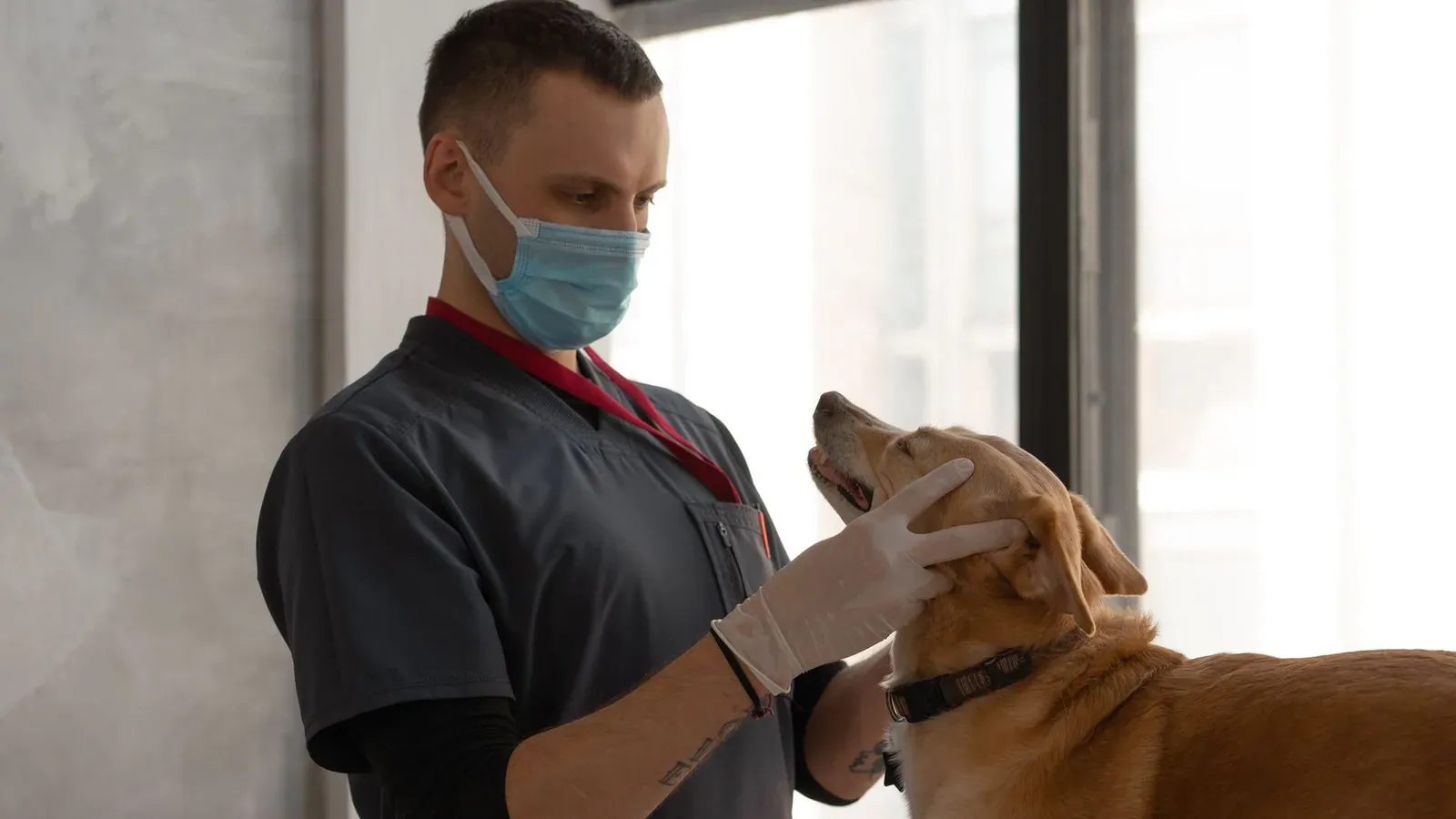
When home care isn’t enough, or the infection looks more serious from the start, a veterinarian will typically:
- Use an otoscope to inspect the ear canal and confirm the eardrum is intact
- Collect a sample of the discharge for microscopic examination to identify whether bacteria, yeast, or both are involved
- Prescribe a topical medication—often combining an antibiotic, antifungal, and anti-inflammatory—or oral medication for more severe or recurrent cases
- Suggest a follow-up cleaning schedule and, if allergies are suspected, further testing
Left untreated, a simple outer ear infection can progress into a chronic condition or spread to become otitis media, an infection of the middle ear that’s harder to treat and more painful for your dog. The AVMA notes that catching infections early is both less expensive and far less distressing for the animal than managing an advanced case.
Preventing Future Ear Infections
Prevention is often simpler than treatment. A few consistent habits go a long way toward keeping your dog’s ears healthy:
- Dry ears thoroughly after swimming or bathing, using a vet-approved drying solution
- Check ears weekly for redness, odor, or excess wax buildup
- Work with your vet to manage any underlying food or environmental allergies
- Avoid over-cleaning—once a week is usually sufficient for most dogs
- Maintain regular flea and tick prevention to lower the risk of ear mites
Final Thoughts
A dog ear infection treatment at home OTC approach can be appropriate for mild, early cases—but it comes with real limits. Gentle cleaning with the right products can resolve minor irritation and even prevent future flare-ups, but any sign of severe pain, unusual discharge, or a possible ruptured eardrum should send you straight to the vet. When in doubt, don’t guess: a quick veterinary exam can spare your dog unnecessary pain and protect their long-term hearing health. If your dog’s ears seem sensitive more often than not, talk to your veterinarian about a proactive ear care routine tailored to their breed and lifestyle.