
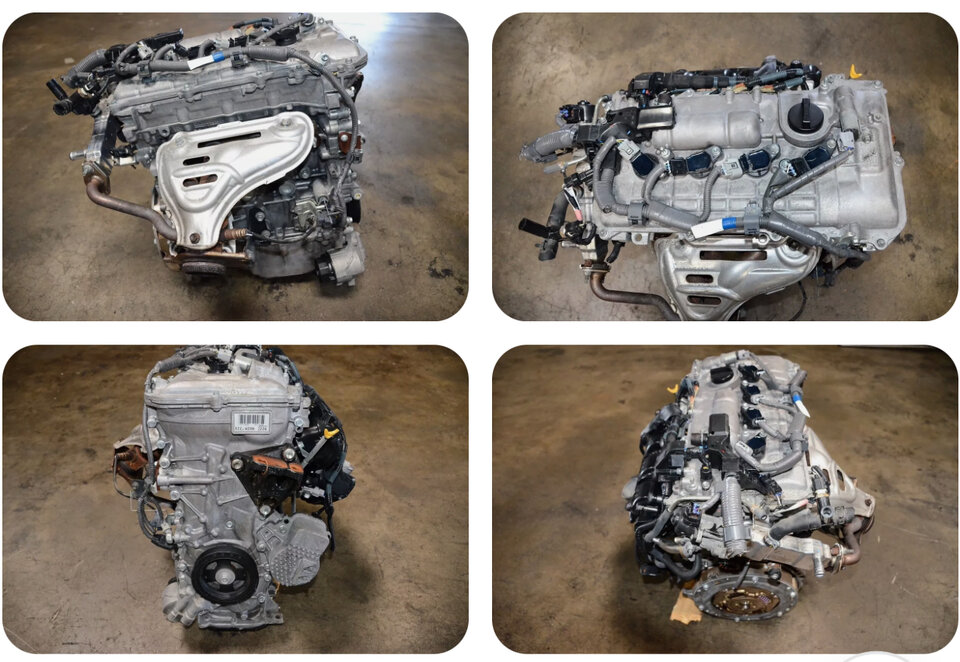
A concerning issue has emerged within the automotive community regarding catastrophic engine failures in the 2014 Toyota Prius 1.8L model, with reports of engines breaking through their aluminum oil pans at relatively low mileage. This problem, characterized by a distinctive “death rattle” noise that quickly subsides after starting, has left owners seeking answers and solutions. While Toyota is renowned for its reliability, this specific issue points to potential design flaws that can lead to severe engine damage.
Understanding the Catastrophic Failure
The core of the problem appears to stem from a failing head gasket, which can lead to coolant leaking into the engine cylinders. This coolant leak, exacerbated by a poorly designed EGR (Exhaust Gas Recirculation) system and suboptimal coolant pump speed programming, can cause misfires and, ultimately, catastrophic engine failure. Owners report that at around 140,000 miles, which is considered within the typical range for this issue to manifest, the engine can violently fail, resulting in a hole in the oil pan.
This failure mode is not an isolated incident. Forum discussions and mechanic experiences indicate that this is a relatively common problem for this particular engine. Some mechanics have reported exchanging a significant number of Prius engines within a short period, highlighting the prevalence of this issue. The “death rattle” preceding the failure is a key symptom, often mistaken for a sticky EGR valve, but it signifies an underlying, more severe problem.
Potential Causes and Contributing Factors
Several factors are believed to contribute to the catastrophic failure of the 2014 Prius 1.8L engine:
- Head Gasket Failure: This is widely considered the primary culprit. When the head gasket blows, coolant enters the combustion chamber, leading to internal engine damage and potential hydrolock.
- EGR System Design: The EGR system in these Prius models is noted for its poor design and susceptibility to clogging with carbon buildup. This can lead to uneven cylinder temperatures and increased stress on the head gasket. Regular cleaning of the EGR system, ideally every 50,000 miles, is recommended to mitigate this risk.
- Coolant Pump Programming: Issues with the coolant water pump’s speed programming have also been cited as a contributing factor, potentially leading to inadequate cooling and increased engine strain.
- Piston and Ring Design: For some 2014 models, a piston and ring revision was implemented partway through the model year. VINs can be checked against technical service bulletins (like T-SB-0168-16) to determine if a vehicle has this update. Engines manufactured after this revision may be less prone to oil consumption issues, which can be a precursor to more severe problems.
- Oil Change Procedures: While less common, incorrect oil filter housing o-ring installation or a loose drain plug during an oil change could lead to rapid oil loss and subsequent engine damage. Owners should ensure proper procedures are followed during maintenance.
Solutions and Repair Options
When faced with a catastrophic engine failure in a 2014 Toyota Prius, owners have several options:
- Engine Rebuild: A complete engine rebuild by a specialized shop is a viable, though often expensive, solution. This process should involve thorough inspection, including magnafluxing, and replacement of worn parts such as rings and seals. Specialized rebuilders may offer warranties on their work.
- JDM Engines: Importing a Japanese Domestic Market (JDM) engine can be a more cost-effective alternative. These engines typically have lower mileage and may have different internal specifications, potentially avoiding the problematic ring design found in some US-market engines. They often come with essential components like manifolds and pumps, reducing the need for extensive part swapping.
- Hybrid Pitstop Engines: Companies like Hybrid Pitstop offer rebuilt or remanufactured engines specifically for Prius models. These engines often undergo extensive refurbishment and come with a warranty, providing a degree of assurance for owners.
Prevention and Maintenance
To prevent such costly failures, diligent maintenance is crucial:
- Regular EGR Cleaning: As mentioned, cleaning the EGR system every 50,000 miles is highly recommended.
- Oil Level Checks: Consistently checking the engine oil level before starting the car can help detect potential leaks or consumption issues early on.
- Address “Death Rattle”: If the distinctive rattling noise is heard during startup, it should be addressed immediately by a qualified mechanic. Ignoring this symptom can lead to irreversible engine damage.
- Stay Informed on Recalls and Service Bulletins: Owners should be aware of any manufacturer recalls or technical service bulletins related to engine issues for their specific model year. While Toyota did not issue a formal recall for head gasket issues, they did offer free fixes for excessive oil consumption on some models.
The catastrophic failure of the 1.8L engine in the 2014 Toyota Prius is a serious concern for owners. Understanding the potential causes, from head gasket issues exacerbated by EGR problems to piston ring design, is key. By staying proactive with maintenance and being aware of the available repair and replacement options, owners can better navigate this challenging situation.
What are your experiences with engine issues in your Toyota Prius? Share your thoughts and insights in the comments below!