
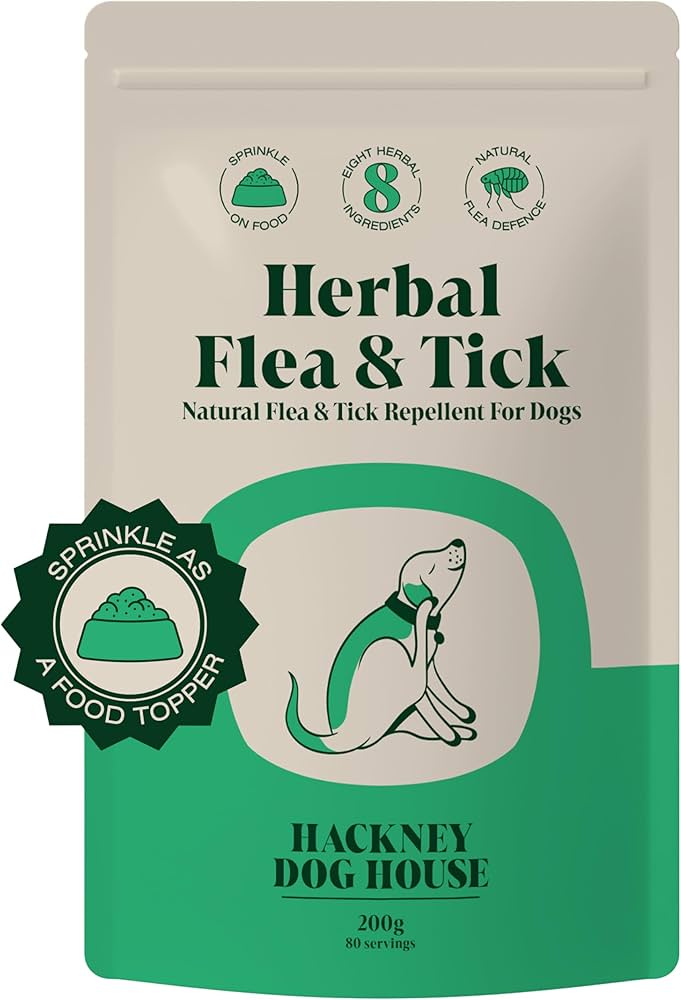
Fleas are a common and unwelcome nuisance for many dog owners. These tiny parasites can cause significant discomfort to your canine companions, leading to frequent vet visits. Fleas reproduce rapidly and are adept at hiding in various nooks and crannies within your home. Once they come into contact with a dog, they attach themselves and feed on its blood. While numerous flea treatments are available, many contain chemicals that can be harmful to your dog or the environment. This article explores effective natural flea treatments for dogs, helping you and your furry friend enjoy a pest-free environment.
How to Tell if Your Dog Has Fleas
Flea bites can cause irritation and intense itching. If you observe your dog scratching more than usual, or if it develops bumps on its skin and experiences significant hair loss, it’s possible your dog has fleas. Flea allergy dermatitis is a prevalent flea-related disease in pets. In more severe cases, dogs can develop anemia or tapeworms if they ingest fleas. Bartonellosis, a bacterial infection transmitted by fleas, can also affect dogs, leading to symptoms such as nausea, fever, an irregular heartbeat, and loss of appetite.
Where Fleas Thrive in the US
Fleas generally thrive in hot, humid climates, preferring temperatures between 70-85°F with approximately 70% humidity. They tend to avoid direct sunlight, which can be a useful factor in preventative measures. Historically, states like Alabama, Florida, Georgia, Louisiana, Oregon, South Carolina, Texas, and Washington have reported high flea infestations, with fleas present year-round. Conversely, some states, such as Arizona and Utah, experience very few flea problems.
Natural Flea Remedies for Dogs
Fortunately, several effective methods can help you eliminate fleas without resorting to harsh chemicals. From baths and dips to topical applications and collars, there are natural flea treatments suitable for every dog.
Apple Cider Vinegar
Apple cider vinegar is a remarkable natural remedy for fleas that can be used without bathing your dog. Fleas dislike acidic environments, and apple cider vinegar helps balance the pH of your dog’s skin and fur, creating an inhospitable environment for them. You can prepare a homemade flea spray by mixing six cups of apple cider vinegar with four cups of water and a bit of sea salt. Spray this mixture onto your dog’s coat, carefully avoiding the eyes. Alternatively, add a couple of tablespoons of apple cider vinegar to your dog’s drinking water to help eliminate ingested fleas. Always start with a small amount to ensure your dog continues to drink adequately.
Lemon
Similar to apple cider vinegar, lemon is another highly acidic natural flea remedy that is beneficial for your dog while being detrimental to fleas. Lemons are easily accessible and can impart a refreshing citrus scent to your dog’s coat. For a lemon bath, combine half a cup of freshly squeezed lemon juice with two cups of water and add it to your dog’s regular bath. You can also dip your dog’s comb in lemon juice and brush through its fur, or for hairless breeds, wipe the dog down with a lemon-juice-soaked cloth. To address fleas in your home, boil thin lemon slices, let them cool overnight, and then spray the mixture onto soft furnishings.
Essential Oils
Essential oils are potent natural remedies that can repel and even kill fleas. However, due to their concentration, they must be used cautiously. Always dilute essential oils with a carrier oil such as coconut or avocado oil, or mix them with water in a glass container. Never add essential oils directly to your dog’s drinking water. Effective essential oils for flea repulsion include lavender, rose geranium, lemongrass, and rosemary. You can add a few drops to your dog’s natural shampoo or a diluted mixture in a spray bottle, applying it to the back of the neck while avoiding the eyes and ears. Ensure the application is not in an area your dog can easily lick, as ingestion can cause stomach upset or toxicity. For a longer-lasting effect, you can create a natural flea collar by dipping your dog’s collar in water with a few drops of essential oil and allowing it to dry.
Coconut Oil and Neem Oil
Coconut oil can be rubbed directly onto your dog’s coat to repel fleas and provide a healthy sheen. Unlike some essential oils, coconut oil is safe for ingestion and can offer antibacterial benefits when added to your pet’s food. Neem oil, when mixed with water and sprayed on affected areas, can help reduce itchiness. While also non-toxic if ingested, its strong taste may deter dogs from consuming it.
Baths and Dips
For dogs who enjoy water, regular baths with organic soaps and natural shampoos are highly effective. Adding a few drops of essential oil to the bathwater can enhance the flea-repellent properties. A rosemary dip can be made by steeping rosemary leaves in boiling water, straining, and diluting the liquid with warm water. Allow your dog to play in this mixture for a refreshing and effective flea treatment.
Flea Prevention in the Environment
Treating your dog is only part of the solution; your home and yard can also be breeding grounds for fleas. Implementing natural methods to address these areas is crucial for complete flea control.
Flea Trap
A simple yet effective flea trap can be made by combining dish soap with a bowl of warm water and placing it on the floor overnight. The soapy water is particularly effective at trapping fleas. Dispose of the water in the morning and wash the bowl thoroughly.
Diatomaceous Earth
Diatomaceous earth, a fine powder derived from fossilized algae, is an excellent natural flea treatment. Sprinkle a thin layer on carpets and floors, focusing on areas your dog frequents. Allow it to sit for approximately 48 hours, then vacuum thoroughly. This substance dehydrates flea eggs, preventing further infestations. It’s a vital component of natural flea and tick treatment.
Steam Cleaning
Water-based vacuums and steam cleaners can be effective in flea prevention by drowning fleas and their eggs, thus preventing re-infestation. Steam cleaning also helps to remove dust and allergens, leaving your home fresh and clean.
Yard Maintenance and Flea-Repellent Plants
An unkempt yard can become a prime breeding ground for fleas. Regularly clear out dead plants and weeds. Planting flea-repellent species such as lavender, spearmint, and lemongrass around your yard can also help deter these pests.
Sunshine
Fleas are sensitive to light. Maximizing sunlight exposure in your home by opening curtains and blinds can help reduce flea populations. Similarly, clearing dead vegetation in your yard allows more sunlight to reach the ground, making it harder for fleas to hide.
While natural flea treatments may require more time to show results compared to chemical alternatives, they offer a safer approach for most dogs. For dogs with severe flea allergies, stronger treatments might be necessary, but these natural remedies are highly effective for general flea control.
Other Articles of Interest:
Intestinal Tumors
10 Warning Signs of Cancer in Dogs
Common Chemotherapy Side Effects