
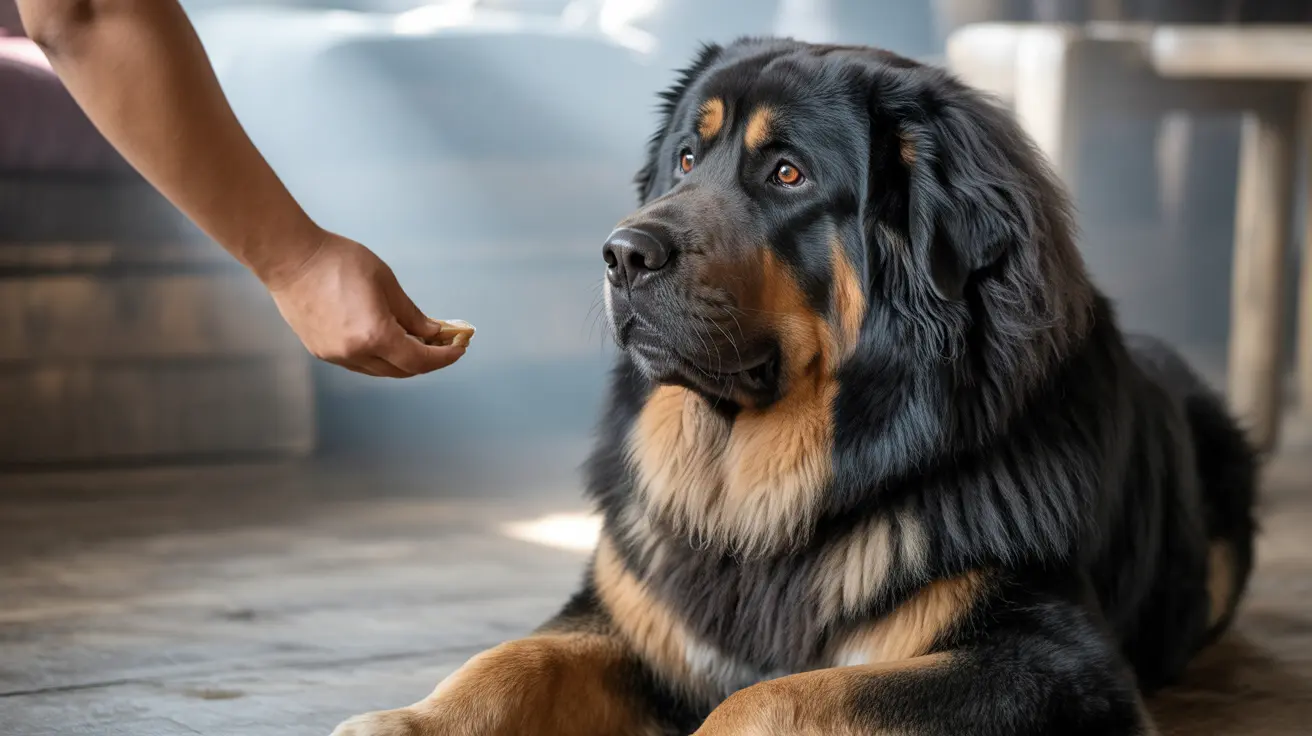
Dogs jumping on people as a greeting is one of the most common behavioral challenges dog owners face. While it often begins as an enthusiastic puppy habit, this behavior can quickly become problematic as your dog grows. A large dog jumping can knock someone over, while even a small dog can startle guests or dirty their clothing. The good news is that teaching your dog proper greeting manners is straightforward when you understand why they jump and how to consistently reinforce better behavior.
Why Do Dogs Jump on People?
Understanding the motivation behind jumping is essential for effective training. Dogs jump on people primarily because they receive attention for it. From your dog’s perspective, any reaction—whether it’s pushing them away, shouting, or even laughing—counts as attention. For a social animal like a dog, any interaction reinforces the behavior.
In many cases, well-meaning guests unintentionally encourage jumping by excitedly greeting the dog, petting them, or playing with them when they jump up. While this may seem harmless, it sends mixed signals to your dog. Consistency from everyone who interacts with your dog is crucial for breaking this habit.
The Foundation: Preventing the Jumping Behavior
Before you can teach your dog an alternative greeting, you must prevent them from practicing the jumping behavior. Each time your dog successfully jumps on someone, they receive reinforcement—even if that reinforcement is simply being noticed.
When expecting visitors, manage your dog’s environment to eliminate the opportunity to jump. Place your dog in a separate room, behind a baby gate, or in an exercise pen before guests enter. This prevents the rehearsal of unwanted behavior while setting the stage for successful training sessions later.
Step-by-Step Training to Stop Jumping
Step 1: Teach the Sit Cue
The sit command is the foundation of polite greetings. Teaching your dog to sit on cue gives them a specific, desirable behavior to perform when meeting people.
To teach sit:
- Hold a treat close to your dog’s nose, just out of reach
- Slowly raise the treat upward toward the top of your dog’s head
- As your dog’s head follows the treat, their rear end will naturally lower to the ground
- The moment their rear touches the floor, mark the behavior with a clicker or a word like “yes”
- Immediately give the treat and offer calm praise
If your dog jumps instead of sitting, you are likely holding the treat too high. Lower it slightly and try again. If your dog backs away, practice with a wall behind them to limit backward movement.
Step 2: Practice With Yourself as the Visitor
Once your dog reliably sits for a treat, begin practicing greetings with yourself as the guest. Set up a mat or dog bed in your entryway—this gives your dog a designated spot and provides comfort on potentially slippery tile or wood floors.
Place a treat jar outside your door. Step outside, pick up a treat, and then enter your home. As you walk in, use your body language to guide your dog onto the mat and ask for a sit. Do not give the treat or any praise until your dog sits.
Remain patient and avoid using an angry tone if your dog struggles. Simply say “sit” once and wait. If needed, lure your dog into position with the treat. Repeat this process until your dog consistently sits when you enter.
Step 3: Add Doorbell and Knock Cues
When your dog reliably sits for your own entrances, introduce the sounds associated with visitors. Practice knocking on your own door or ringing the doorbell, then entering and asking for a sit. This helps your dog learn that the door opening signals an opportunity to practice polite greetings rather than an invitation to jump.
Step 4: Practice With Friends and Family
Gradually introduce real visitors to your training routine. Ask friends to come to your door, knock, and then ask your dog to sit as they enter. Keep the treat jar outside so every visitor can reward your dog for good manners. This teaches your dog that sitting when someone arrives leads to positive outcomes, while jumping yields nothing.
Maintaining Polite Greetings Long-Term
Consistency in reinforcement is key to maintaining your dog’s new greeting habits. During the learning phase, reward every successful sit with food. After your dog has mastered the behavior, you can occasionally substitute praise for treats, but continue using food frequently enough to keep the behavior strong.
If your dog jumps on you during greetings, immediately turn to the side and withhold all attention. Once your dog stops jumping, ask for a sit and reward compliance. Avoid using excited praise that might trigger another jumping attempt. If jumping persists, calmly remove yourself from the area and try again later.
When introducing new people to your training routine, consider using a gate or exercise pen initially. Reward your dog for sitting calmly behind the barrier. Once they consistently offer the sit, you can remove the barrier. If your dog ever backslides, return to earlier training steps—this is not a failure but a normal part of the learning process.
Taking Polite Greetings Beyond Your Home
The ultimate goal is a dog who greets politely in any situation. Practice having your dog sit when meeting people on walks, when visiting other homes, and in public spaces. When someone wants to meet your dog, politely ask them to wait until your dog is sitting before approaching. Carry treats to lure your dog into position if needed.
Common Challenges and Solutions
Your dog is too excited to focus: Practice during calmer times of day and use higher-value treats like small pieces of chicken or cheese. Short, frequent training sessions are more effective than long ones.
Visitors unintentionally encourage jumping: Politely explain your training goals to guests before they enter. You might say, “We’re teaching her to sit for greetings. Please only pet her when all four paws are on the floor.”
Your dog jumps on you when you return home: Keep treats by the door and ask for a sit before you give any attention. If your dog jumps, turn away and wait. This teaches that calm behavior earns your attention.
Your dog jumps on strangers outside: Maintain a safe distance and work on sits before approaching. If your dog cannot maintain calm behavior, increase distance and practice from farther away.
When to Seek Professional Help
While most dogs respond well to consistent training, some cases may require additional support. If your dog’s jumping is accompanied by fear-based behaviors, aggression, or if you’re concerned about safety with children or elderly family members, consult a certified professional dog trainer or veterinary behaviorist. They can assess your specific situation and provide tailored guidance.
The Importance of Patience and Consistency
Teaching your dog to stop jumping is fundamentally about building a new habit. Your dog isn’t being stubborn—they’re simply doing what has worked in the past. With consistent practice, clear expectations, and positive reinforcement, most dogs learn polite greeting manners within a few weeks.
Remember that setbacks are normal. If your dog jumps after weeks of good behavior, simply return to earlier training steps. Each repetition builds a stronger foundation for long-term success.
Final Thoughts
A dog who greets people politely is a pleasure to live with and take out in public. By understanding why dogs jump, preventing practice of the behavior, and systematically teaching an alternative, you can transform your dog’s greetings from chaotic to calm. The time invested in this training pays dividends in safety, comfort, and the ability to confidently welcome guests into your home and introduce your dog to new people anywhere you go.
Start with the basics, practice consistently, and celebrate small victories along the way. Your dog wants to connect with people—your job is to show them how to do it in a way that works for everyone.