
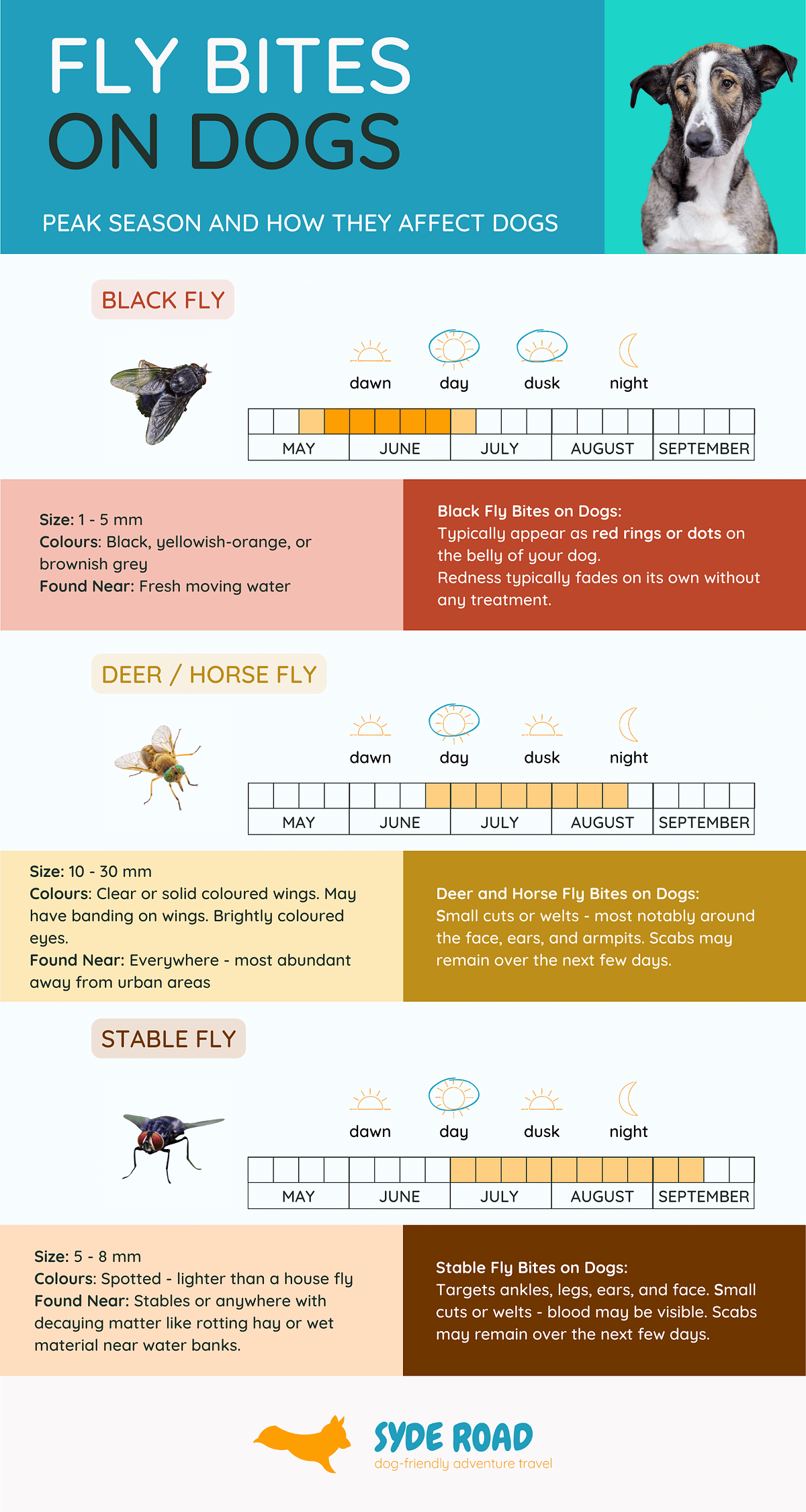
Black flies, often referred to as buffalo gnats, are small, dark insects that can pose a significant nuisance, and sometimes a serious health concern, to dogs. While their bites may seem minor, they can lead to intense itching, pain, and even severe allergic reactions in our canine companions. Recognizing the signs and understanding the treatment and prevention strategies for black fly bites is crucial for any dog owner, especially during the warmer months when these insects are most active.
What Are Black Fly Bites on Dogs?
Female black flies are the culprits behind the bites. Unlike mosquitoes that puncture a blood vessel, black flies cut into the skin and lap up the resulting pool of blood. This feeding behavior typically occurs during daylight hours when the air is calm, and often in swarms, leading to multiple bites on a single dog. These bites commonly appear as small, itchy, bloody spots, particularly on areas with less fur such as the underside of the abdomen, inner thighs, ears, and face.
What Do Black Fly Bites Look Like on Dogs?
The visual presentation of black fly bites on dogs can be quite distinct. They are often found on the less-furred areas of a dog’s body and are characterized by intense itchiness. You might observe scabbing, open sores, or dark red bumps. A characteristic rash, which is essentially a cluster of bites, frequently appears on the dog’s underside and inner thighs. Individual bites typically present as a pinpoint puncture surrounded by a pale, swollen area, with a red outer rim, creating a “bullseye” or “target” pattern. Veterinarians can often diagnose a black fly infestation simply by observing this tell-tale rash.
In rarer instances, dogs can experience severe allergic reactions to black fly bites. Symptoms to watch for include hives on other parts of the body, facial swelling, or sudden vomiting. If any of these signs appear, immediate veterinary attention is necessary, as sudden allergic reactions, including anaphylaxis, can be life-threatening if untreated.
Difference Between Black Fly Bite and Tick Bite on Dog
While the “bullseye” appearance of a black fly bite might remind some owners of the rash associated with Lyme disease in humans, it’s important to differentiate it from tick bites. Tick bites on dogs do not typically produce this target-like lesion. Another key difference is the manner of attack: black flies usually swarm and bite multiple times, whereas tick bites are generally more solitary. Furthermore, black flies bite and fly away, while ticks latch onto the skin to feed, often remaining attached. While both can cause itchiness, ticks can transmit diseases like Lyme disease or ehrlichiosis to dogs, whereas black flies do not carry diseases affecting canines.
Infected Black Fly Bite on Dog
Scratching or chewing at black fly bites can lead to secondary infections. Signs of an infected bite include a yellowish, greenish, or brownish discharge or pus, increased swelling, pain upon touch, and delayed healing. While clear fluid might be normal from a sore, any discolored discharge warrants a visit to the veterinarian. Infected bites may require antibiotic treatment, which could include oral medications like cephalexin or cefpodoxime, or topical treatments such as Animax® ointment or specific antibiotic shampoos, as prescribed by your vet. It is crucial not to use triple antibiotic ointments intended for human use without veterinary guidance.
Treatment of Black Fly Bites on Dogs
The primary goals of treating black fly bites are to alleviate itching and discomfort, promote healing, and prevent infection. For mild cases where the dog is not excessively bothered, the bites often heal on their own. However, preventing the dog from scratching or chewing is paramount. This can be achieved by using an Elizabethan collar (recovery cone) and, in some cases, protective clothing over the affected areas.
At-home remedies that can help soothe discomfort include applying a cold compress (with a cloth barrier between the ice pack and the skin) to the bites and applying hydrocortisone cream directly to the affected areas. While a soothing oatmeal bath might seem appealing, it’s important to use lukewarm or cool water, as warm or hot water can exacerbate itching by increasing histamine release. Ensure the dog is gently dried thoroughly after bathing to prevent moisture-related infections and to discourage licking.
If your pet is experiencing significant discomfort or excessive itching, consult your veterinarian. They may recommend over-the-counter antihistamines like diphenhydramine (Benadryl®) or cetirizine (Zyrtec®), but it’s crucial to follow their specific dosing instructions, which may differ from the product’s label. For infected bites, antibiotics will be prescribed. In cases of severe allergic reactions or anaphylaxis, immediate emergency veterinary care is essential, and human EpiPens should not be used on pets.
How to Protect Your Dog from Black Fly Bites
Prevention is key when it comes to protecting your dog from black fly bites. During peak black fly season:
- Avoid high-risk areas: Steer clear of bodies of running water such as rivers, streams, and creeks, as black flies breed in these environments. Also, avoid dense woodlands and farms.
- Time your outings: Limit outdoor activities during dawn and dusk, as swarms are most active during these times and throughout the day.
- Consider protective gear: Light-colored clothing that covers the dog’s underbelly and thighs can act as a physical barrier against bites.
- Use repellents cautiously: SWAT® fly repellent can be applied to a dog’s ears to deter bites in that sensitive area. It’s important to note that DEET-containing bug sprays are not FDA-approved for use on dogs. While commercial dog-specific bug sprays are available, their effectiveness can vary, and avoidance is often the most reliable strategy.
Black Fly Bite on Dogs FAQS
Do black fly bites hurt dogs?
Yes, black fly bites can be painful for dogs, though their sensitivity varies. Some dogs may appear relatively unfazed, while others exhibit a strong reaction to the bites.
Do black fly bites on dogs heal on their own?
Black fly bites often heal independently without requiring veterinary intervention. The most important step is to prevent your dog from scratching or chewing at the bites. However, if you are concerned about potential allergic reactions, infection, or if the bites are not healing, seeking veterinary care is advisable.