
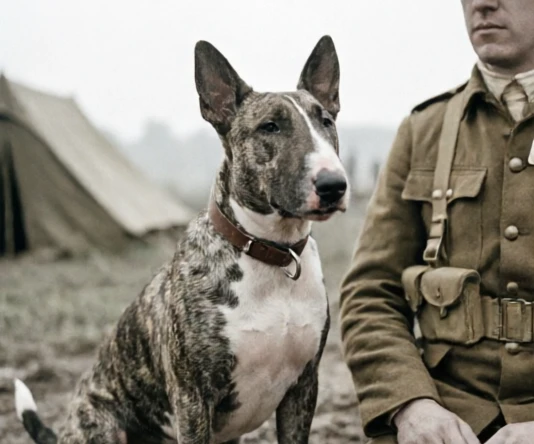
Caesar the War Dog refers primarily to Caesar the Anzac Dog, a World War I canine associated with the New Zealand Rifle Brigade’s A Company, 4th Battalion. Remembered as a regimental mascot and companion, Caesar represents Anzac military history, while later books present literary portrayals inspired by his story.
Readers searching for Caesar the War Dog often face a basic problem: it is difficult to separate the documented history of a real wartime dog from later stories and book portrayals that use similar names. This article explains who Caesar the Anzac Dog was, where he fits in World War I history, and how to distinguish the historical record from fictionalized interpretations.
Caesar the War Dog refers primarily to Caesar the Anzac Dog, a canine associated with the New Zealand Rifle Brigade’s A Company, 4th Battalion during World War I. Caesar is remembered as a regimental mascot and companion connected with Anzac military history, while later works such as Stephen Dando-Collins’s Caesar the War Dog series present a literary interpretation rather than a complete historical record of the animal’s life.
Caesar the War Dog: identity and wartime significance
The historical Caesar was a dog connected to an Anzac unit during World War I, not simply a fictional war hero created for modern entertainment. His importance comes from the way military units formed bonds with animals that shared camp life, helped maintain morale, and became symbols of loyalty during conflict.
The term "war dog" can describe many different roles, including messenger dogs, search dogs, medical support animals, and mascots. Caesar’s remembered role is closer to that of a regimental mascot: a dog representing the identity and spirit of a military group rather than a formally enlisted combatant carrying out battlefield missions.
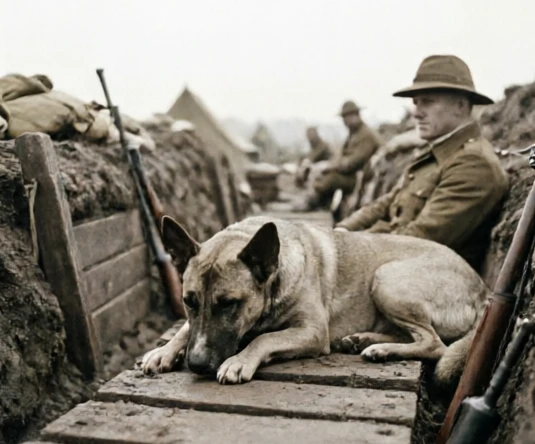
A key distinction helps prevent confusion: Caesar the Anzac Dog belongs to the historical record of the New Zealand Rifle Brigade, while Caesar the War Dog book portrayals belong to later storytelling. A source describing the published books should not automatically be treated as evidence that every dramatic event in those stories happened to the real dog.
Caesar’s military service with the Anzac forces
Caesar’s association with the New Zealand Rifle Brigade’s A Company, 4th Battalion places his story within the wider Anzac experience of World War I. Military mascots were common in this era because animals could become important symbols of unity for soldiers living through long periods of separation, danger, and uncertainty.
In practical military history review, the easy-to-miss step is separating a mascot’s documented role from the duties performed by trained military working dogs. Caesar’s significance is connected to companionship, morale, and unit identity rather than confirmed reports of specialized battlefield tasks.
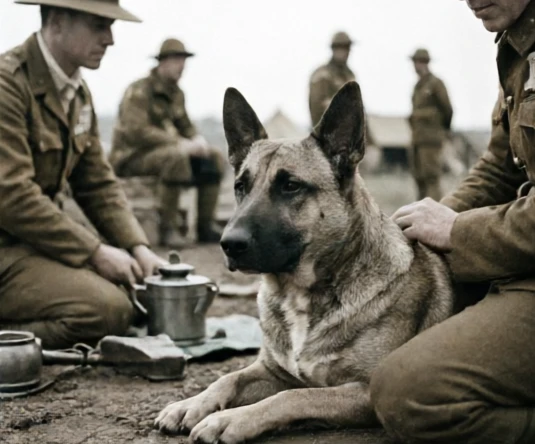
The exact details of Caesar’s breed, training, and wartime activities are less consistently documented than those of some other famous military dogs. Claims about what breed was Caesar the War Dog should therefore be treated carefully unless they are linked to a reliable historical reference.
Caesar’s wartime timeline and remembered legacy
A timeline approach makes it easier to separate known history from later interpretation. Caesar’s story can be organized around his association with an Anzac unit, his remembrance after World War I, and the later publication of works that brought renewed attention to his name.
- Check whether the reference connects Caesar to the New Zealand Rifle Brigade A Company, 4th Battalion before accepting a claim about the historical dog.
- Separate confirmed wartime associations from dramatic scenes created for books or other adaptations.
- Examine whether a statement describes a mascot duty or a specialized military working dog task before assigning Caesar a role.

The surviving historical record does not provide a complete biography with every moment of Caesar’s life, including a universally documented explanation of how did Caesar the War Dog die. Questions about Caesar the War Dog memorial location also require care because remembrance is mainly connected with Anzac and regimental memory rather than a single universally recognized public memorial site.
Separating historical Caesar from later book portrayals
Stephen Dando-Collins’s Caesar the War Dog series uses the idea of a wartime dog story, but a book narrative and a historical biography serve different purposes. Historical accounts require evidence connecting events to Caesar the Anzac Dog, while literary works may interpret wartime animal stories for readers.
The Caesar the War Dog book series should therefore be viewed as a published portrayal inspired by military dog themes. Specific plot events or dramatic sequences should be classified as interpretation unless historical records independently confirm them.
Source decision rule
| If | Then |
|---|---|
| The reference points to World War I records involving the New Zealand Rifle Brigade mascot | Treat Caesar as a documented historical subject connected with Anzac military history |
| The reference points to Stephen Dando-Collins’s published Caesar the War Dog works | Treat the details as a literary portrayal inspired by military dog stories |
| A dramatic event appears only in a modern narrative without historical confirmation | Classify it as fictionalized or interpreted rather than confirmed fact |
Caesar among famous military dogs in history
| Dog Name | Primary Unit / Affiliation | Documented Wartime Role | Primary Legacy |
|---|---|---|---|
| Caesar | New Zealand Rifle Brigade (4th Battalion, A Company) | Regimental mascot, morale support, and camp companion | Remembered through Anzac records and regimental history |
| Sergeant Stubby | 102nd Infantry Regiment, 26th (Yankee) Division | Mascot, locating wounded soldiers, detecting poison gas | Decorated military dog and famous American war hero |
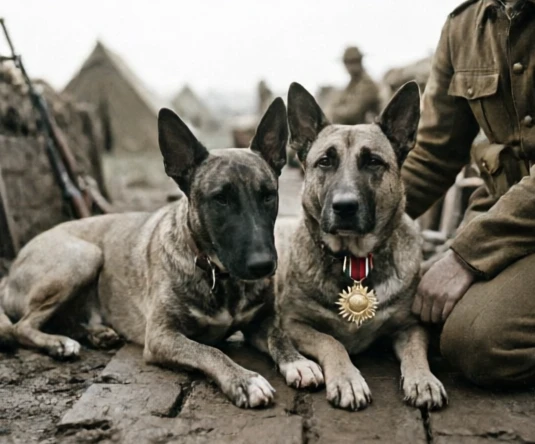
Caesar’s story should not be measured only by battlefield achievements. His legacy represents the tradition of animals becoming symbols of loyalty, companionship, and military community identity.
Why Caesar’s story matters in military history
Stories about war dogs endure because they reveal a personal side of military history. Animals such as Caesar show how everyday experiences shaped the lives of soldiers beyond battles, commanders, and strategies.
A mascot may not change the outcome of a battle, yet it can become an enduring symbol of loyalty and shared identity. Caesar’s story fits into the wider tradition of military remembrance by showing the connection between humans and animals during conflict.
You can verify any Caesar claim by first checking whether it refers to the New Zealand Rifle Brigade mascot or to a later book portrayal; that step helps separate World War I history from storytelling.
FAQ
Is Caesar the War Dog based on a true story?
Yes. Caesar the War Dog is based on the historical Caesar the Anzac Dog, a canine associated with the New Zealand Rifle Brigade’s A Company, 4th Battalion during World War I. Later books and stories use Caesar’s name and wartime setting, but those portrayals should be separated from the documented historical record.
What book tells the story of Caesar the War Dog?
The Caesar the War Dog story is presented in works by Stephen Dando-Collins, including the Caesar the War Dog series. These books provide a literary portrayal inspired by military dog history rather than a complete archival biography of every event in Caesar’s life.
What breed was Caesar the War Dog?
The exact breed of Caesar the War Dog is not consistently documented in the available historical record. Claims about Caesar’s breed should be treated carefully unless they are supported by reliable historical references rather than details drawn only from later narratives.
How did Caesar the War Dog die?
The surviving historical record does not provide a universally documented explanation of how Caesar the War Dog died. The safest approach is to distinguish confirmed information about Caesar’s connection with Anzac history from details that are not clearly recorded.
Where is the Caesar the War Dog memorial located?
Caesar’s remembrance is mainly connected with Anzac and regimental memory rather than a single universally recognized public memorial location. References to memorials should be checked carefully because Caesar’s historical legacy is tied more broadly to military remembrance.