
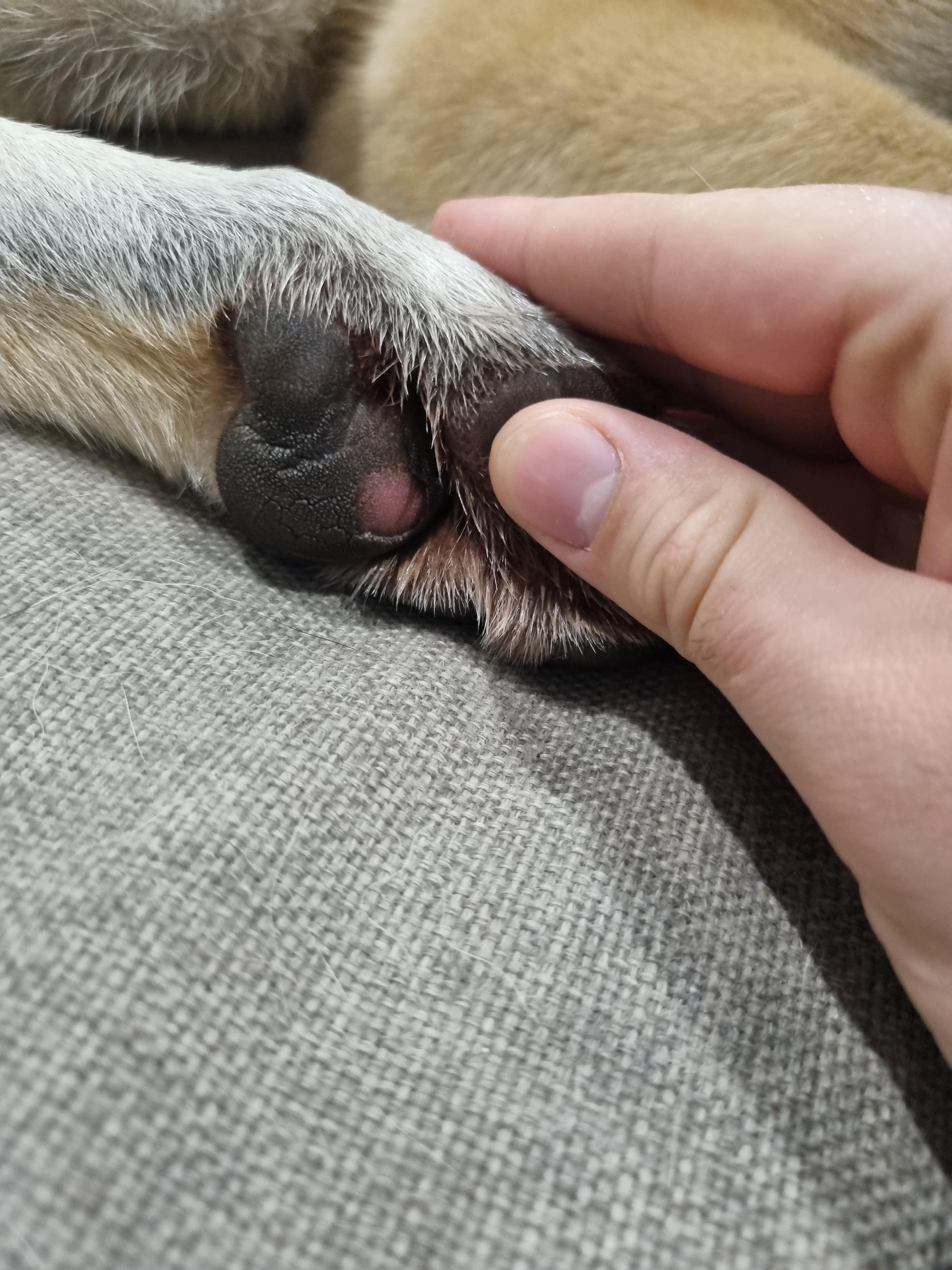
Your dog’s paws are their primary mode of transportation and exploration, making them surprisingly resilient. However, even the toughest paw pads can suffer injuries like cuts, tears, burns, or puncture wounds. Prompt and appropriate care is crucial to ensure your furry friend’s comfort and swift recovery. This guide will walk you through the essential steps to take if your dog injures their paw pad.
Understanding Your Dog’s Paws
The pads on your dog’s feet are nature’s built-in cushioning and protection system. Their thick, rubbery texture is designed to withstand rough terrain and provide traction. Despite their durability, these pads are not impervious to injury. Recognizing the signs of a paw pad injury and knowing how to respond can make a significant difference in your dog’s healing process.
Immediate Steps for a Cut Paw Pad
If you discover your dog has a cut or torn paw pad, the first and most important step is to contact your veterinarian. They can advise whether an in-person examination is necessary or if your dog needs to be taken to an emergency animal hospital. Your veterinary team can also offer specific guidance on how to manage the injury until you can seek professional care.
Thoroughly Examine the Injured Pad
Carefully inspect the wounded pad. Look for any embedded objects such as glass shards, thorns, or debris like grass or gravel. If you find any loosely embedded material, you can attempt to gently remove it with clean tweezers. However, if a large object like glass is deeply lodged in the paw, do not try to remove it yourself. Instead, contact your nearest emergency vet immediately for instructions on how to safely transport your dog.
Clean the Wound
To clean the cut, prepare a solution of warm water and a mild soap (like dish soap or liquid hand soap). Swish your dog’s paw in the soapy water to help dislodge debris and clean the wound. Rinse thoroughly with clean water. Alternatively, you can gently spray the paw with clean water from a hose. Adding a small amount of soap during rinsing can help kill bacteria. Another effective cleaning method is to rinse the wound with an antiseptic solution, such as diluted chlorhexidine.
Control Bleeding
Once any obvious foreign objects have been removed, apply gentle pressure to the paw pad with a clean cloth or towel to help control bleeding. A cold compress can also be beneficial as it constricts blood vessels, slowing the blood flow. While minor grazes might not bleed much, deeper cuts can take longer to stop.
Assess the Injury’s Severity
Minor cuts and scrapes can often be managed at home with basic first aid. However, deeper cuts, ragged wounds, or injuries with embedded debris require professional veterinary attention. If the injury appears severe, seek immediate veterinary care. Your vet will clean and dress the wound, and may prescribe antibiotics to prevent infection.
Apply a Bandage
To cushion the injured pad and absorb any blood, use non-stick sterile gauze pads. This can also help reduce discomfort when your dog walks. Secure the gauze in place with a self-adhering bandage, such as Vetwrap or similar products available at pet supply stores. Some bandages are flavored to discourage chewing. Wrap the entire foot from toes to ankle, ensuring the bandage is snug but not too tight – you should be able to comfortably slip two fingers between the bandage and your dog’s skin. If bleeding continues despite bandaging, seek veterinary care immediately.
Prevent Licking
While a small amount of licking might help keep a wound clean, excessive licking can reopen the wound and lead to infection. Use the bandage to deter your dog from licking the paw. If your dog becomes fixated on licking the wound, an Elizabethan collar (cone) or another protective device may be necessary to allow the paw pad to heal properly.
Ongoing Care and Monitoring
Keeping the bandage clean and dry is essential for healing. Use a waterproof bootie or a plastic bag secured around the foot and ankle when your dog goes outside. Change the bandage daily to prevent infection and to allow you to examine the wound for signs of healing. Watch for any swelling, excessive redness, discharge, odor, or increased pain, as these could indicate complications. If any of these occur, consult your vet. After removing the old bandage, gently clean the foot with warm, soapy water, dry it thoroughly, and then apply a fresh bandage. Addressing any signs of infection early can prevent the wound from worsening.
Your veterinarian can provide thorough cleaning, antibiotics, and pain medication to help your dog recover comfortably. The first aid measures outlined here are not a substitute for professional veterinary care. When in doubt about the severity of your dog’s injury, always err on the side of caution and seek professional help. Your vet is the best resource for diagnosing and treating your dog’s paw pad injury, ensuring a full recovery and a quick return to their usual activities.