
We all recognize that crates can be incredibly useful tools for training and for providing our canine companions with a safe, personal space. There are moments when we need to confine our dogs for extended periods, whether it’s because we’re still working on managing destructive behaviors or we’re heading to the office for the day. The central question many dog owners face is this: how long can a dog actually stay in a crate?
This comprehensive guide will explore the nuances of crate time, offering valuable insights to ensure your four-legged friend remains safe, comfortable, and content during their crate periods. Let’s dive into the factors that determine appropriate crate time and how to make the experience positive for your beloved pet.
Key Factors That Determine Crate Time
Determining the ideal crate duration for your dog is not a one-size-fits-all scenario. Several crucial factors influence how long your dog can comfortably and safely remain in their crate. Understanding these elements is essential for providing the best possible crate experience.
Age and Health of Your Dog
Puppies and senior dogs have vastly different needs when it comes to crate confinement. Young puppies are bundles of energy with tiny bladders, requiring frequent potty breaks. Confining them for too long inevitably leads to accidents, which can be stressful for both you and your pup. For puppies under six months, crate time should be carefully managed to align with their physical capabilities.
Senior dogs present different considerations. Older canines may suffer from arthritis, joint issues, or other health conditions that affect their comfort and mobility. Extended crate time can exacerbate these problems, making it essential to adjust confinement periods to prevent unnecessary discomfort for your seasoned companion.
Size and Breed of the Dog
A dog’s physical size plays a significant role in their crate requirements. A small Chihuahua may feel overwhelmed in an excessively spacious crate, while a large Great Dane can find cramped quarters genuinely distressing. Beyond size, consider your dog’s breed characteristics. High-energy breeds like Border Collies or Australian Shepherds typically need more frequent breaks and exercise to prevent restlessness, whereas more sedentary breeds such as Bulldogs may tolerate longer crate periods with greater ease.
Previous Crate Training Experience
A dog’s history with crate training significantly impacts how well they handle confinement. Dogs that have already mastered crate training often feel more secure and can spend longer periods calmly in their crate. For dogs new to crate life, you must introduce this space gradually, using patience and positive reinforcement to build positive associations.
Duration and Purpose of Confinement
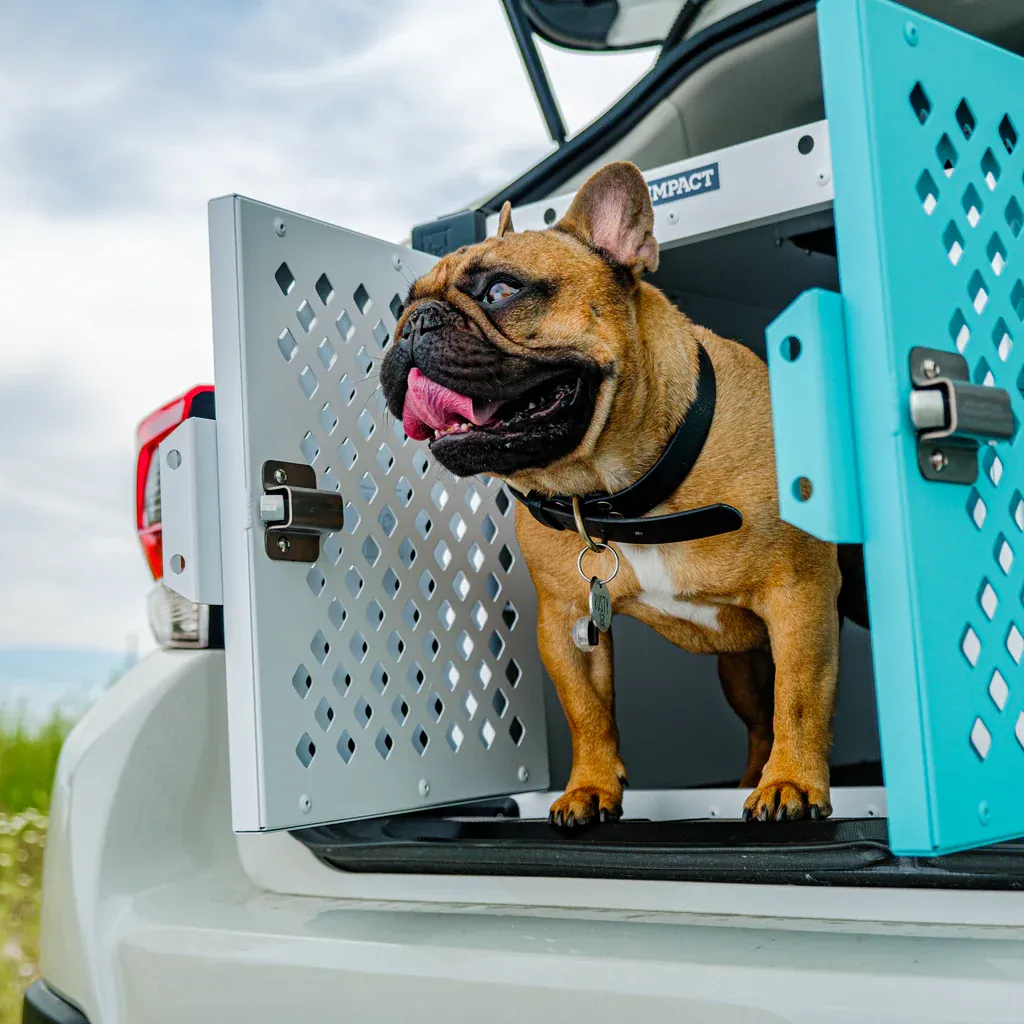
The reason for crate confinement matters greatly. Short-term confinement during travel, such as car rides or flights, requires keeping crate time minimal to avoid stress. Conversely, longer confinement during work hours demands careful attention to creating a comfortable environment with regular breaks and adequate exercise before and after crate time.
Recommended Crate Time Guidelines by Age and Breed
After considering the various influencing factors, let’s establish practical guidelines for crate time. Remember that these are general recommendations—every dog is unique, and you should always adjust based on your pet’s individual needs and responses.
Crate Time Guidelines for Puppies
Puppies require special consideration due to their developing bodies and limited bladder control:
Young puppies (8-10 weeks): For these tiny bundles of joy, crate time should be limited to 30-60 minutes at a time. Their small bladders simply cannot hold longer without accidents.
Older puppies (3-6 months): As puppies mature, their bladder capacity improves. You can gradually extend crate time to 1-3 hours, always monitoring for signs of distress and providing regular potty breaks.
Adolescent puppies (6-12 months): During this energetic teenage phase, crate time can extend to 3-6 hours. However, these growing dogs still need regular exercise and mental stimulation to prevent restlessness and anxiety.
Crate Time Guidelines for Adult Dogs
Adult dogs typically handle crate time better than puppies, but individual variations remain important:
Healthy adult dogs: Most healthy adult canines can manage crate time of 4-6 hours comfortably, with a maximum of 8 hours in exceptional circumstances. They have developed better bladder control and can handle extended periods when necessary.
Senior dogs: Our older companions deserve extra care and consideration. Limit crate time to 2-4 hours for senior dogs, as age often brings decreased bladder control and potential physical discomfort from extended confinement.
Breed Considerations for Crate Times
Different breed characteristics influence how dogs respond to crate confinement:
Active breeds: Dogs like Border Collies, Australian Shepherds, and Siberian Huskies have high energy requirements. These active breeds typically need shorter crate intervals with ample exercise opportunities between sessions to prevent frustration and destructive behaviors.
Sedentary breeds: Breeds such as Bulldogs, Basset Hounds, and Shih Tzus generally tolerate longer crate periods better. Their naturally lower activity levels make extended rest periods more comfortable and natural for them.
Strategies for Safe and Comfortable Crate Time
Implementing thoughtful strategies can transform crate time from a stressful experience into a positive, comforting routine for your dog.
Creating the Optimal Crate Environment
Start with proper crate selection. Choose a size that allows your dog to stand up, turn around, and lie down comfortably—neither too cramped nor excessively spacious. Add comfortable bedding, such as a soft blanket or orthopedic cushion, to create a cozy resting spot. Include safe toys or chew treats to provide entertainment and mental engagement during confinement.
Ensure proper ventilation and temperature control in the crate area. Position the crate away from direct sunlight, drafts, and extreme temperatures. Good airflow is essential to prevent overheating and maintain comfort.
Exercise and Mental Stimulation Before Crate Time
A tired dog is typically a calm, content dog. Before placing your dog in their crate, provide sufficient physical exercise through walks, fetch, or training sessions. This helps burn excess energy and makes settling into the crate easier.
Mental stimulation is equally important. Interactive toys, puzzle feeders, and treat-dispensing toys keep your dog’s mind engaged during crate time. These activities provide entertainment and help prevent boredom-related anxiety.
Gradual Crate Training Approach
Introducing the crate as a positive space requires patience and consistency. Begin by placing treats and favorite toys near the crate, gradually encouraging your dog to explore inside. Use praise and rewards when your dog willingly enters the crate.
Incrementally increase crate time as your dog builds confidence. Start with brief intervals of just a few minutes, slowly extending the duration. Each successful crate session should be rewarded, reinforcing positive associations with the space.
Managing Bathroom and Feeding Schedules
Establish a consistent routine for potty breaks before and after crate time. Always take your dog for a bathroom break immediately before confinement and provide access to their designated potty spot as soon as they exit the crate.
Time meals and water intake appropriately. Offer food and water well before crate time, allowing sufficient time for digestion and elimination. This reduces the likelihood of accidents and ensures your dog’s comfort during confinement.
Final Thoughts
Understanding how long a dog can safely stay in a crate is fundamental to responsible pet ownership. By considering your dog’s age, health, breed, and individual needs, you can establish crate routines that prioritize their well-being and comfort. Remember that crates should never serve as punishment but rather as a secure sanctuary where your dog feels safe and content.
The guidelines provided here offer a starting point, but always observe your dog’s behavior and adjust accordingly. Signs of distress, anxiety, or discomfort indicate that crate time may need modification. With patience, positive reinforcement, and attention to your dog’s unique needs, you can create a crate experience that benefits both you and your canine companion.
Happy crate time adventures!