
The year 1977 marked a seismic shift in the landscape of American music and global pop culture. On August 16, the world lost a titan, a figure so monumental that his influence continues to resonate nearly five decades later. For international audiences exploring the rich tapestry of “Oldies music,” understanding the story of Elvis Presley is not merely about memorizing chart-toppers; it is about grasping the very essence of a cultural revolution. Oldies music, particularly the era defined by artists like Presley, represents a golden age where rock and roll, country, and rhythm and blues fused to create a sound that defined a generation. This article delves into the final chapter of the King of Rock and Roll’s life, exploring the circumstances surrounding his untimely death, while situating his legacy within the broader context of the enduring appeal of pre-1975 American music.
The Shocking News That Rocked the World
On the afternoon of August 16, 1977, a headline that no one expected was being prepared for the next day’s papers. “Death Captures Crown of Rock and Roll — Elvis Dies Apparently After Heart Attack,” blared the front page of The Commercial Appeal. This stark announcement relayed the devastating news that Elvis Aaron Presley had been pronounced dead at Baptist Hospital in Memphis at 3:30 p.m. He was only 42 years old. The King had been found unresponsive on the floor of his upstairs bathroom at his beloved Graceland mansion, and despite the swift efforts of the Memphis Fire Department ambulance crew, he could not be revived.
For fans of Oldies music around the world, this moment represented the end of an era. Elvis was more than a singer; he was a symbol of youthful rebellion, raw talent, and the explosive energy that defined the birth of rock and roll. His death transformed him from a living legend into an immortal icon, and the questions surrounding his passing have fueled public fascination for decades.
Official Autopsy and Initial Cause of Death
In the immediate aftermath, the public was given an official explanation. Dr. Jerry Francisco, the Shelby County Medical Examiner, conducted the autopsy with a team of six pathologists. His initial findings pointed to cardiac arrest as the cause of death. At the time, Francisco noted that preliminary results suggested the death resulted from either “cardiac arrhythmia” or an “irregular and ineffective” heartbeat. He also reported that Presley had suffered from “mild hypertension” and “coronary disease that had gone undetected,” stating that he “died in a matter of four short minutes of coronary arrhythmia.”
A crucial element of the initial report was Dr. Francisco’s assertion regarding substance use. He concluded that “there was no evidence of any drug use contributing to his death.” This statement, however, did little to quell the growing speculation. The public and the media were aware of the star’s well-documented struggles, and the presence of various prescription drugs in his system would soon lead to a more complex and contentious narrative.
The Health Struggles of the King
Prior to his death, Elvis Presley’s health had been in a steady decline. Throughout the 1970s, he had been hospitalized multiple times for a variety of ailments, including hypertension (high blood pressure) and issues with his colon. These health crises were compounded by mild diabetes and liver problems. The grueling schedule of touring and performing, combined with the pressures of fame and personal turmoil, took a significant toll on his body. For those who study Oldies music, this period is a stark reminder of the human cost behind the glamour. While his performances in the 1970s still drew massive crowds, they were often overshadowed by his physical deterioration.
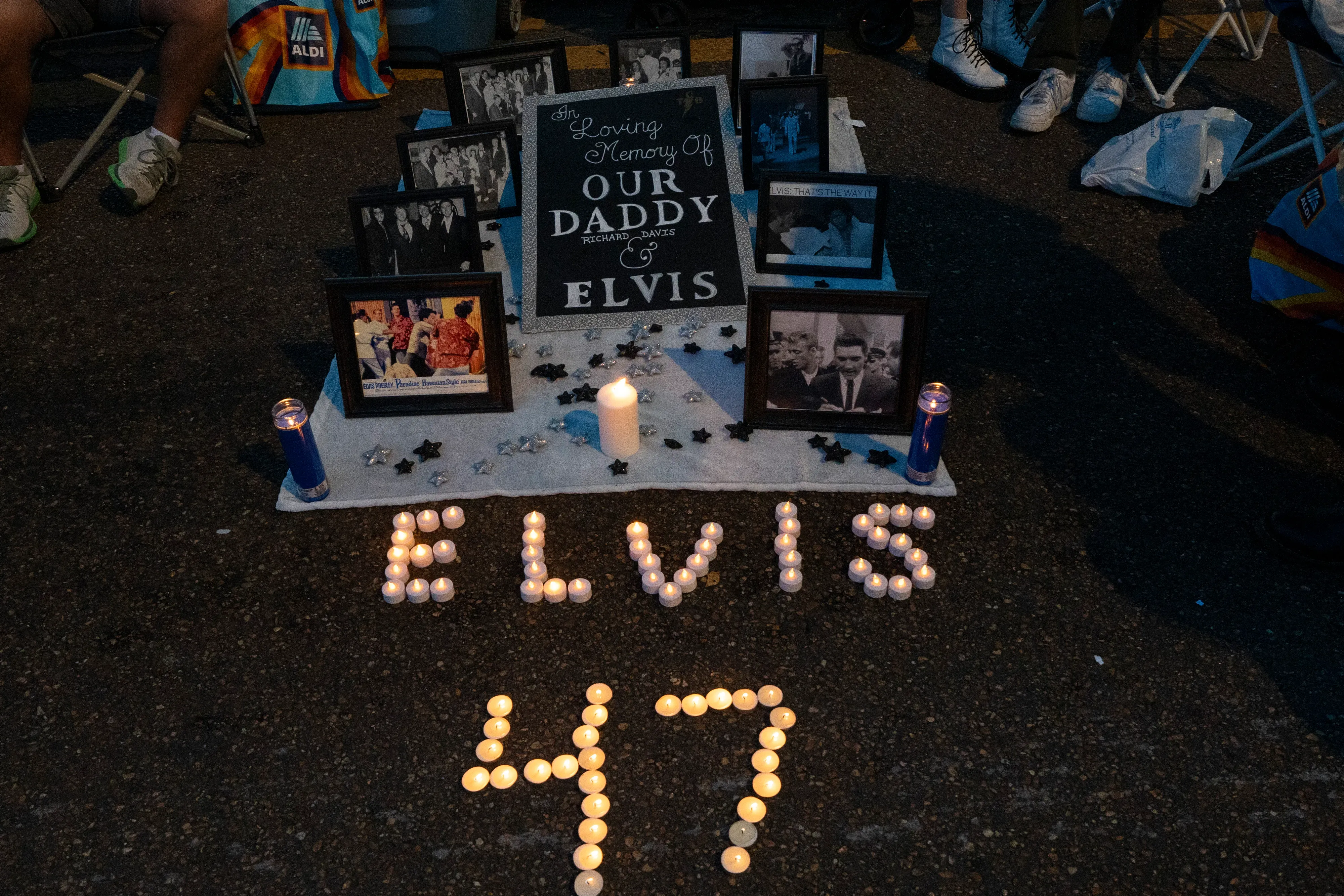
The image above captures the enduring devotion of fans who continue to honor the King. This annual vigil at Graceland is a testament to how deeply his music—a cornerstone of the Oldies genre—has embedded itself into the cultural fabric. The scene is a powerful visual representation of the connection that international audiences feel to this music, transcending generations and geographical boundaries.
Re-evaluating the Cause: The Role of Polypharmacy
As the initial shock subsided, investigations and reports began to paint a different picture. Dr. Francisco’s initial claim that drugs were not a factor came under intense scrutiny. Later lab reports, notably covered by The Commercial Appeal, revealed a staggering reality: 14 different drugs were found in Presley’s blood at the time of his death. These included “near toxic levels” of codeine, morphine, and Placidyl, among other prescription drugs.
Medical experts and investigators began to attribute the cardiac arrest to “polypharmacy,” the simultaneous use of multiple drugs. The combination of these depressants likely caused him to lose consciousness, slumping into a “fetal” position. It was theorized that he died when the drugs, in combination with the pressure from his body weight, brought his respiration to a halt. This revised understanding led to a shift in the historical record. While the official cause of death remains a heart attack, the contributing factors are now widely understood to include a devastating dependency on prescription medication. The Encyclopedia Britannica succinctly summarizes the consensus: “Elvis Presley died of a heart attack in 1977 brought on largely by drug abuse.”
The Enduring Sound of Oldies Music
For a global audience seeking to understand Oldies music, the story of Elvis is essential. The genre, often defined as popular music from the mid-1950s to the mid-1970s, is anchored by the revolutionary sounds that Elvis helped popularize. His music was a melting pot of American traditions, blending the soul of gospel, the rhythm of R&B, and the twang of country. Songs like “Heartbreak Hotel,” “Hound Dog,” and “Jailhouse Rock” didn’t just top the charts; they changed the way music was performed and perceived.
Elvis’s death in 1977 serves as a symbolic bookend to the golden era. While the “Oldies” genre continued to thrive, the late 1970s saw the rise of disco, punk, and new wave, marking a significant shift in popular music trends. However, the legacy of the pre-1975 era—the era of Elvis, Chuck Berry, Little Richard, and early The Beatles—remains a foundational pillar for musicians and music lovers today.
Why Oldies Music Resonates with International Audiences
For international listeners, Oldies music offers a fascinating window into 20th-century American culture. It represents a period of profound social change, from the post-war optimism of the 1950s to the countercultural movements of the 1960s. The music is a historical artifact, capturing the hopes, anxieties, and joys of a specific time.
The appeal of Oldies is not merely nostalgic; it is also artistic. The craftsmanship of the songs—the melodic structures, the lyrical storytelling, and the raw energy of the performances—has a timeless quality. Artists like Elvis Presley, with his charismatic voice and magnetic stage presence, created a model for the modern pop star. For a website aiming to be a trusted resource on this topic, it is crucial to present these stories with depth and accuracy, explaining the cultural context that makes these songs so significant.
Conclusion: A Legacy Beyond the Headlines
The story of Elvis Presley is a complex narrative of immense talent, unprecedented fame, and profound personal struggle. His death at 42 was a tragic conclusion to a life lived in the spotlight, a cautionary tale about the pressures of stardom and the dangers of addiction. Yet, to focus solely on the circumstances of his passing is to miss the point of his enduring legacy.
Elvis Presley, as the undisputed King of Rock and Roll, gave the world a soundtrack of joy, rebellion, and emotion that remains unmatched. His music, now a cornerstone of the Oldies genre, continues to inspire new generations of artists and listeners across the globe. From the halls of Graceland to the streaming playlists of today, his voice endures. As we reflect on the headlines that announced his death, we are reminded to celebrate the life, the music, and the cultural revolution he ignited. Explore the discography of Elvis Presley and the other greats of the Oldies era to experience the timeless power of a defining moment in American music history.