
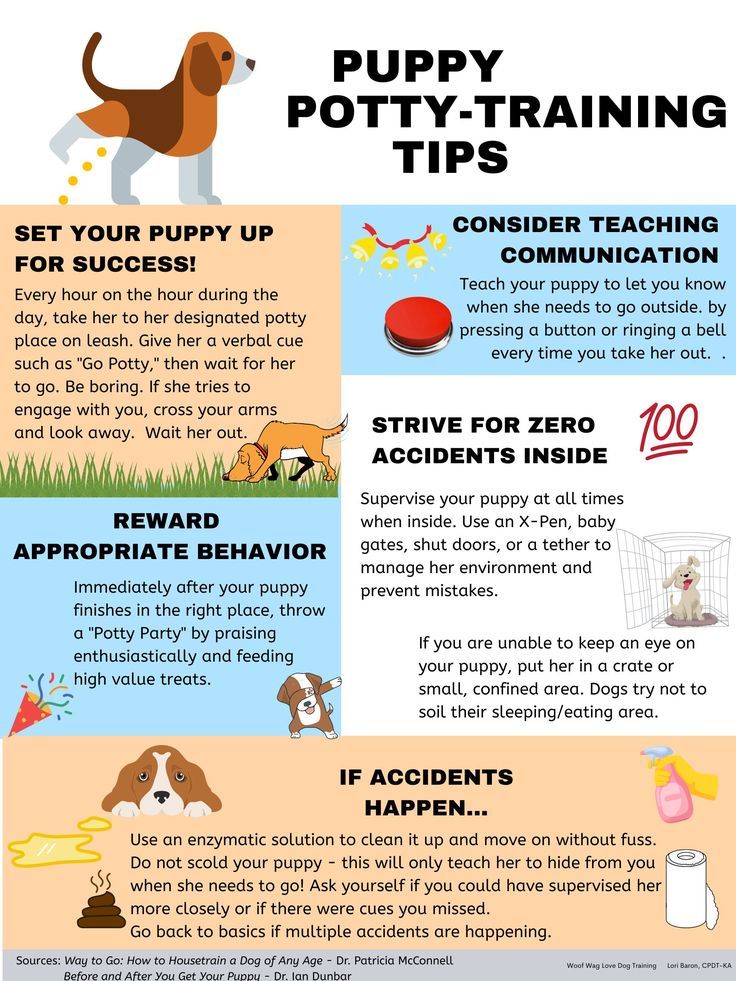
Bringing a new puppy home is an exciting time, but it also comes with the important responsibility of establishing good habits from day one. Potty training is one of the first and most essential lessons you’ll teach your new companion. A well-executed housebreaking routine not only keeps your home clean but also builds a foundation of trust and communication between you and your puppy. This comprehensive guide provides expert-backed housebreaking tips to help you navigate this crucial training phase while avoiding common mistakes that can slow progress.
Establish a Consistent Potty Training Routine
The cornerstone of successful potty training is consistency. Puppies thrive on predictability, and a structured routine helps them understand when and where they should relieve themselves. During the initial training period, take your puppy outside frequently—ideally at least every two hours. Pay special attention to key moments throughout the day: immediately after they wake up from a nap, following energetic play sessions, and after meals or drinking water.
Choose a specific bathroom spot in your yard and always bring your puppy to that same location on a leash. This consistency helps them associate that particular area with the act of elimination. While your puppy is relieving themselves, introduce a verbal cue such as “go potty” or “do your business.” Use the same phrase each time so your puppy learns to connect the words with the action. Once they have finished, offer immediate praise or a small treat. This positive reinforcement strengthens the behavior and encourages repetition.
A common mistake many owners make is rewarding their puppy too early. Wait until your puppy has completely finished their business before offering praise or treats. Puppies are easily distracted, and interrupting them mid-process can lead to incomplete elimination, increasing the likelihood of accidents indoors shortly afterward.
Stick to a Feeding Schedule for Predictable Results
What goes in on a schedule comes out on a schedule. Maintaining consistent feeding times is one of the most effective ways to regulate your puppy’s bathroom habits. Puppies typically need to relieve themselves shortly after eating, so feeding them at the same times each day allows you to anticipate their needs and plan outdoor trips accordingly.
Managing water intake is equally important, especially as bedtime approaches. Remove your puppy’s water dish approximately two and a half hours before they go to sleep for the night. This simple step significantly reduces the chance of overnight accidents. Most puppies are capable of sleeping comfortably for seven hours without needing a bathroom break. If your puppy does wake you during the night, remain calm and quiet. Take them directly to their designated potty spot without engaging in play or excitement, then return them to their sleeping area. This teaches them that nighttime outings are strictly for business.
Supervise Closely When Indoors
Until your puppy demonstrates reliable potty habits, close supervision is non-negotiable. When you are indoors and not actively playing or training, keep your puppy tethered to you or a nearby piece of furniture using a six-foot leash. This practice, often called “umbilical cord” training, allows you to watch for subtle cues that indicate your puppy needs to go out.
Learning to recognize these signals is key to preventing accidents. Common signs include:
- Barking, whining, or scratching at the door
- Circling or sniffing the floor intently
- Restlessness, pacing, or suddenly stopping play
The moment you notice any of these behaviors, immediately take your puppy to their designated outdoor potty spot. If they eliminate there, reward them right away. This quick response helps your puppy make the connection between the urge to go and going to the correct location.
It is also important to keep your puppy on a leash even when in the yard during the housebreaking process. Treat the yard as you would any other room in the house—free access without supervision can lead to confusion and accidents. A leash ensures you are present to reward correct behavior and redirect if necessary.
Use Confinement When You Cannot Supervise
There will inevitably be times when you cannot keep your puppy under direct supervision. During these periods, confinement is a safe and effective management strategy. Restrict your puppy to a small, puppy-proofed area where they are unlikely to eliminate. A section of the bathroom or laundry room blocked with baby gates works well for this purpose.
Crate training is another highly reliable and humane method for confinement. Dogs are naturally den animals and will instinctively avoid soiling their sleeping area when the space is appropriately sized. A properly introduced crate becomes a safe haven for your puppy rather than a form of punishment. If your puppy has been confined for several hours, take them directly to their potty spot as soon as you release them. This reinforces the routine and sets them up for success.
How to Handle Potty Training Accidents
Accidents are an inevitable part of potty training, no matter how diligent you are. How you respond to these incidents can significantly impact your puppy’s learning progress. When you discover an accident, remain calm. Immediately take your puppy to their outdoor potty spot. If they finish there, offer praise and a reward. This redirects them to the appropriate behavior without creating fear or confusion.
Never punish your puppy for accidents. Scolding, rubbing their nose in the mess, or using harsh corrections will only instill fear and anxiety. Such reactions damage the trust you are building and often cause puppies to hide their accidents in less visible areas, making training even more difficult.
Thorough cleaning is essential after any indoor accident. Use an enzymatic cleaner specifically designed to remove pet stains and odors. Standard household cleaners may not fully eliminate the scent markers that tell your puppy this spot is an acceptable place to go. If the smell remains, your puppy is likely to return to that same location.
Plan for When You Are Away
Before bringing a puppy home, consider your daily schedule honestly. If you will be away from home for more than four or five hours on a regular basis, evaluate whether this is the right time for a young puppy. In some cases, adopting an older, already house-trained dog may be a better fit for your lifestyle.
If you must leave your puppy alone during the day, arrange for a neighbor, friend, or professional pet sitter to come by for bathroom breaks. Alternatively, you can train your puppy to use indoor potty options such as pee pads, newspaper, or a sod box. Be aware that indoor potty training can sometimes extend the overall housebreaking timeline, as puppies must later learn to transition to outdoor elimination exclusively.
When cleaning accidents that occur outside the designated potty area, consider a scent association technique. Place the soiled paper towels or rags in the correct outdoor spot. This helps your puppy connect the scent of their own waste with the appropriate bathroom location, reinforcing where they should go in the future.
Understanding Your Puppy’s Developmental Needs
Potty training is not a one-size-fits-all process. The time it takes to fully housetrain a puppy typically ranges from four to six months, but this can vary significantly based on factors such as size, age, and previous training experiences. Consistency remains the most critical element throughout this journey.
A puppy’s bladder capacity generally increases with age. As a rule of thumb, a puppy can hold their bladder for approximately one hour for every month of age. For example, a three-month-old puppy may need to relieve itself every three hours. Creating a potty schedule for the first six to nine months helps establish consistency and sets realistic expectations for both you and your puppy.
Individual differences also play a role. Smaller breeds often require more frequent bathroom breaks than larger breeds. Puppies who were not given consistent opportunities to go outside during their early weeks—such as those rescued from puppy mills—may need additional patience and more frequent outings. Regular potty breaks are essential for maintaining hygiene and preventing indoor accidents. If an accident occurs, shortening the time between breaks can help get training back on track.
Teaching Your Puppy to Signal When They Need to Go
Beyond basic potty training, many owners find it helpful to teach their dog a specific signal to communicate when they need to go outside. This advanced step enhances communication and gives your puppy an active role in the process.
To train a signaling behavior, start by associating a specific action with going outside. Common signals include ringing a bell hung by the door, barking, or scratching at the door. Each time you take your puppy out, prompt them to perform the action—for instance, gently guide their nose or paw to touch the bell—before opening the door. Once they perform the action and successfully eliminate outside, reward them immediately. With consistent repetition, your puppy will learn to use this signal to communicate their needs independently.
Final Thoughts
Patience, consistency, and positive reinforcement form the foundation of successful potty training. Every puppy learns at their own pace, and setbacks are a normal part of the process. By sticking to a regular schedule, supervising closely, managing accidents appropriately, and using confinement wisely, you set your new companion up for long-term success.
If you find your puppy struggling significantly despite consistent efforts, do not hesitate to reach out for professional support. A veterinarian can rule out underlying medical issues such as urinary tract infections, while a positive-reinforcement-based dog trainer can offer personalized guidance tailored to your puppy’s unique needs.
With dedication and the right approach, you will build a foundation of trust and communication that lasts a lifetime.