
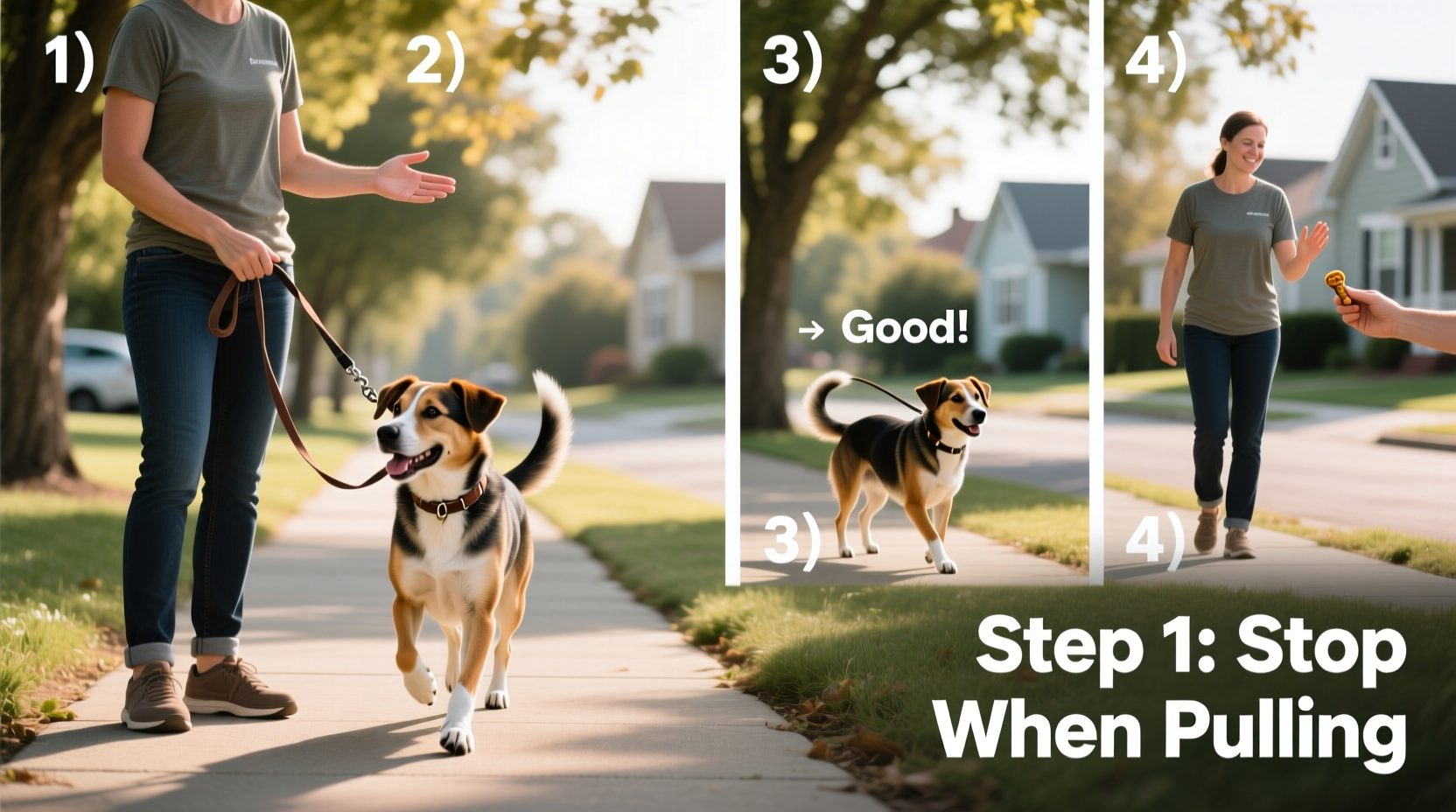
Teaching your dog to walk politely on a leash is one of the most important skills you can develop together. Not only does it make walks more enjoyable, but it also strengthens the bond between you and your pet. If you’re tired of being dragged down the street, follow these proven techniques for how to train your dog to walk without pulling.
Understanding Why Dogs Pull
Before diving into training, it’s helpful to understand why dogs pull in the first place. Dogs are naturally curious and eager to explore their environment. When they pull, they’re usually trying to reach something exciting—a new smell, another dog, or a favorite spot. The key to successful loose-leash walking is teaching your dog that staying close to you is more rewarding than charging ahead.
Getting Started: Setting Up for Success
Begin your training sessions in a quiet, distraction-free environment. This could be your living room, backyard, or a calm street with minimal foot traffic. You’ll need a standard leash, a well-fitted collar or harness, and high-value treats that your dog loves. Remember to keep sessions short—5 to 10 minutes is plenty to maintain focus and enthusiasm.
Step 1: Establish Attention Before Moving
Start by standing still and quiet, allowing your dog the full length of the leash. The goal here is to wait for your dog to voluntarily check in with you. Remain calm and patient. The moment your dog looks at you, even briefly, praise them warmly and offer a treat. This simple exercise teaches your dog that paying attention to you leads to rewards.
Repeat this until your dog consistently offers attention within a few seconds. This foundation is crucial for all subsequent steps in how to train your dog to walk without pulling.
Step 2: Walk with Purpose and Rewards
Once your dog understands that checking in is rewarding, you can begin moving. Use your voice and treats to encourage your dog to stay close to your side. Walk at a normal pace and reward your dog frequently when the leash remains loose. The treats should appear near your leg to encourage your dog to maintain that position.
If your dog starts to forge ahead, don’t yank the leash. Simply stop moving and become still and quiet. Wait for your dog to turn back toward you or loosen the leash on their own. When they do, praise and reward, then continue walking. Consistency here is everything—this must happen every single time your dog moves ahead and tightens the leash.
Step 3: Use Distractions as Training Tools
Distractions are often the main cause of pulling. Instead of avoiding them entirely, use them strategically to reinforce good behavior. Place a toy or a treat on the ground a short distance away. Walk toward the object with your dog. If your dog pulls to reach it, stop immediately. Call your dog back toward you if necessary. Only when the leash is loose do you allow your dog to proceed to the reward.
This approach teaches your dog a valuable lesson: pulling slows things down, while walking calmly gets them what they want. Over time, your dog learns that self-control leads to faster access to interesting things.
Maintaining Progress
Consistency is the backbone of successful training. Practice short sessions daily rather than one long session per week. As your dog improves, gradually introduce more challenging environments with increased distractions. Always set your dog up for success by starting in easier settings before moving to harder ones.
The Importance of Making Yourself Interesting
Your dog should find being near you rewarding. Use plenty of enthusiastic praise, varied treats, and even occasional play to make your side of the leash the best place to be. If your dog believes that staying close equals good things, they’ll naturally choose to walk without pulling.
Common Mistakes to Avoid
- Punishing pulling: Correcting your dog harshly can create fear or frustration. Focus on rewarding the behavior you want instead.
- Inconsistent rules: If pulling is allowed sometimes but not others, your dog will be confused. Enforce the same standard every time.
- Training when tired: Dogs need mental and physical energy to learn. Choose times when your dog is calm but alert.
- Skipping the foundation: Rushing past attention-building exercises will make the rest of training harder.
When to Seek Professional Help
If you’ve been consistent for several weeks and still struggle with pulling, consider consulting a certified dog trainer. Professional guidance can be invaluable for addressing specific challenges, especially with strong or highly reactive dogs. Many trainers offer private sessions or group classes focused specifically on leash manners.
Final Thoughts
Learning how to train your dog to walk without pulling requires patience, consistency, and positive reinforcement. Every dog learns at their own pace, so celebrate small victories along the way. With regular practice and a focus on making walks rewarding for both you and your dog, you’ll soon enjoy peaceful, enjoyable outings together.
Start implementing these steps today, and remember: the journey itself strengthens the trust and communication between you and your canine companion.
References
- The Kennel Club. “Lead Walking Training.” The Kennel Club, www.thekennelclub.org.uk.
- American Kennel Club. “How to Train Your Dog to Walk on a Loose Leash.” AKC, www.akc.org.
- Association of Professional Dog Trainers. “Finding a Trainer.” APDT, www.apdt.com.