
The story of Priscilla and Elvis Presley has long captivated audiences worldwide, but a new cinematic portrayal has reignited discussions about their relationship, its historical context, and how it resonates with contemporary audiences. At the heart of this renewed conversation is the film Priscilla, directed by Sofia Coppola, which adapts Priscilla Presley’s 1985 memoir, Elvis and Me. This exploration of their journey together offers a unique lens into a pivotal chapter of music history, prompting us to reconsider the lives behind the legend of the King of Rock ‘n’ Roll, a central figure in the realm of oldies music.
The Genesis of a Cinematic Portrayal
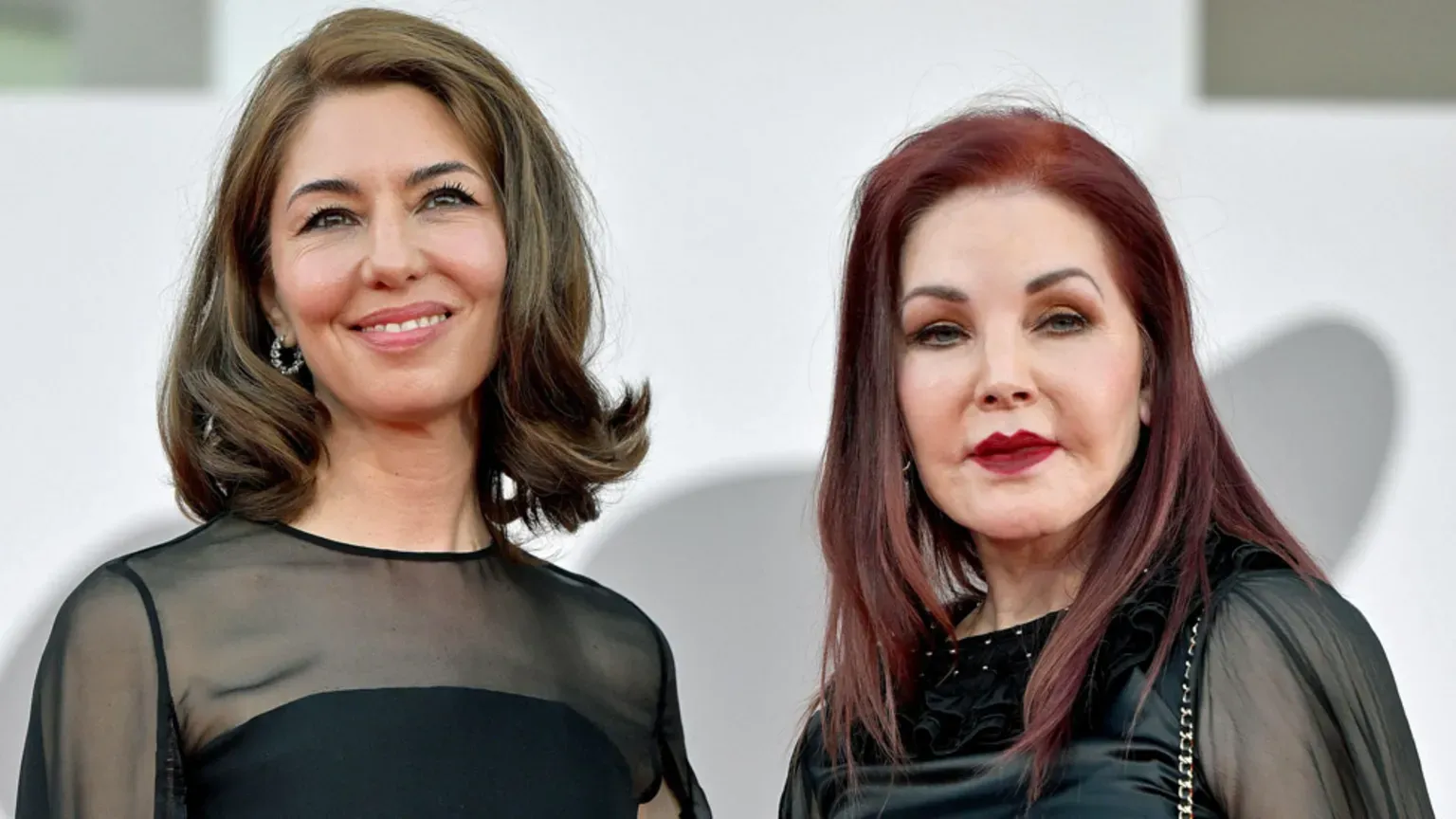
Sofia Coppola’s film aims to present the story from Priscilla’s perspective, detailing her life from the moment she met Elvis in West Germany at the age of 14 to the eventual dissolution of their marriage. Priscilla Presley served as an executive producer on the project, lending her direct support and involvement. She has been vocal about the film’s accuracy, describing it as a faithful depiction of her experiences and her complex relationship with one of the most iconic figures in American oldies music.
However, the film’s development was not without its tensions. Prior to her death in January 2023, Lisa Marie Presley, the only child of Elvis and Priscilla, expressed serious concerns about the script. Her apprehensions offer a poignant glimpse into the delicate balance between artistic interpretation and familial legacy, a theme that often surrounds the estates of legendary music icons.
A Daughter’s Protective Voice
According to reports in Variety, Lisa Marie Presley communicated her distress directly to Sofia Coppola in emails sent months before her passing at the age of 54. Her primary concern was the portrayal of her father, the man whose legacy she had worked to protect. In one email, she reportedly wrote that the script made Elvis appear “as a predator and manipulative,” a characterization she found unrecognizable.
“As his daughter, I don’t read this and see any of my father in this character,” Lisa Marie wrote. “I don’t read this and see my mother’s perspective of my father. I read this and see your shockingly vengeful and contemptuous perspective and I don’t understand why?”
This heartfelt objection underscores the profound responsibility that comes with depicting real-life figures, especially those as beloved and influential as Elvis Presley. For many fans of golden era music, preserving the integrity of such an icon is paramount. Lisa Marie’s letters reveal a deep-seated fear that the film would distort her father’s image, reducing a complex and legendary figure to a one-dimensional antagonist. She further expressed worry about her mother’s role, feeling that Priscilla might not foresee the potential negative impact the film could have on the legacy she had spent a lifetime building.
Priscilla’s Perspective: A Different Time
In response to the discourse surrounding the film, Priscilla Presley has offered her own defense, framing their early relationship within the context of its era. Appearing on Piers Morgan’s TalkTV show, she acknowledged that the 1959 setting—when she was 14 and Elvis was 24—was “a different time.” She rejected the modern term “grooming” to describe their initial interactions, emphasizing the unique nature of their bond.
“He was unique,” Priscilla stated. She described how Elvis would take her to movies and buy her clothes, acts she interpreted as expressions of affection rather than manipulation. She stressed that despite their private conversations, their relationship remained physically platonic until their marriage in 1967 when she was 21. “I was someone he trusted to talk to and pour his heart out [to],” she explained. Her perspective highlights the challenge of applying contemporary social standards to historical relationships, a recurring theme when re-examining the personal lives of classic rock and roll pioneers.
The Director’s Artistic Vision
Sofia Coppola, an Oscar-winning filmmaker known for her nuanced and intimate character studies, responded to Lisa Marie’s concerns with a commitment to sensitivity and complexity. Her representative shared Coppola’s reply with Variety, in which she sought to reassure the late singer.
“I hope that when you see the final film you will feel differently, and understand I’m taking great care in honouring your mother, while also presenting your father with sensitivity and complexity,” Coppola wrote.
This exchange illustrates the inherent tension in biographical art: balancing the subjective truth of an individual’s experience with the broader narrative that audiences and families expect. For many viewers, especially those less familiar with the intricacies of Elvis’s life, the film serves as a starting point for understanding the man behind the music that defined a generation of pre-75 oldies.
Critical Reception and Modern Interpretations
As Priscilla reached theaters, critics began to weigh in on how effectively the film navigates its delicate subject matter. Many reviewers noted that the depiction of the early courtship, while historically accurate, presents a challenging dynamic for modern viewers.
Rolling Stone’s Marlow Stern observed that “Elvis is depicted in the film as being gentlemanly toward his teen paramour, as off-putting as their courtship looks through 21st-Century eyes.” Stern added that the film’s achievement lies in its refusal to simplify Elvis into a monster, instead presenting a more complex portrait that still allows for critical scrutiny.
The film’s release comes on the heels of the 2022 biopic Elvis, which focused on the singer’s career and his tumultuous relationship with manager Colonel Tom Parker, starring Austin Butler and Tom Hanks respectively. Priscilla, with its distinct focus on a personal and often private side of his life, offers a complementary, yet contrasting, view. This dual perspective enriches the public’s understanding of Elvis, not just as a monumental figure in American music history, but as a man navigating personal relationships under the glare of immense fame.
Conclusion: A Legacy of Complexity
Priscilla stands as a testament to the enduring public fascination with the lives of music royalty. For enthusiasts of oldies music and new listeners alike, the film provides a crucial, intimate look at the woman who was both a witness to and a participant in the creation of a legend. The poignant pre-release conflict between Lisa Marie Presley’s protective instincts and Sofia Coppola’s artistic vision adds another layer of depth to the story.
Ultimately, the film compels us to engage with history in its full complexity, acknowledging that the giants of music—those whose voices defined the golden era—lived lives marked by both extraordinary achievement and profound personal challenges. As Priscilla Presley continues to engage with the film’s legacy and audiences around the world discover her story, the conversation surrounding Priscilla ensures that the narrative of the King and his queen will continue to be examined, debated, and appreciated for generations to come.
We invite you to explore more stories about the timeless artists who shaped the landscape of American music. Dive deeper into the lives and legacies that continue to inspire.