
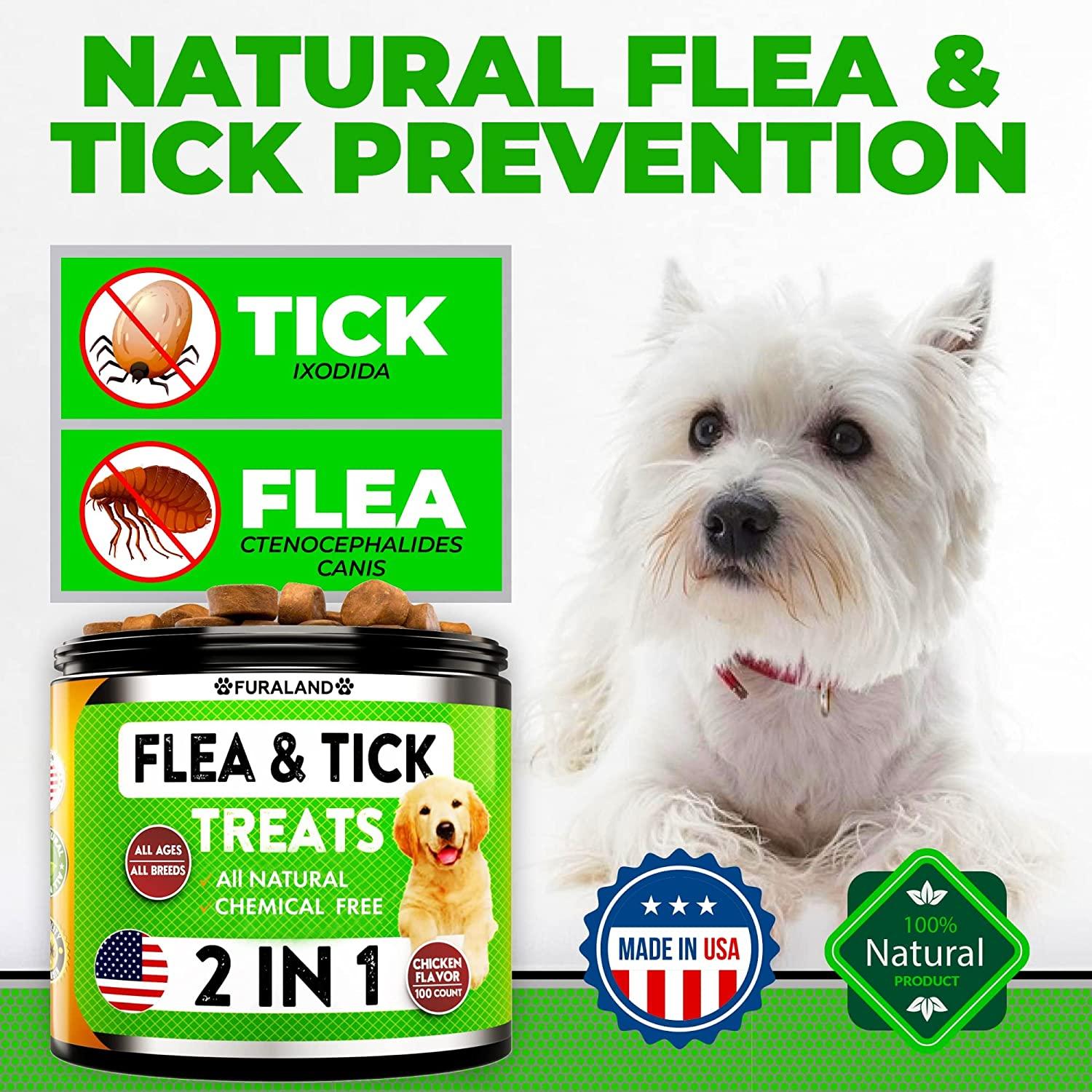
When your furry friend starts scratching incessantly, it’s often a sign of unwelcome guests. Fleas and ticks aren’t just a nuisance; they can cause serious health issues for your dog and infest your home. One of the fastest and most effective solutions available today is flea and tick pills for dogs. These oral medications offer a convenient, mess-free way to eliminate pests and provide lasting protection. However, choosing the right product requires understanding how they work, what options are available, and how to use them safely.
This guide will walk you through everything you need to know about oral flea and tick prevention, ensuring you can make an informed decision to keep your canine companion healthy and happy.
Why Choose Oral Flea and Tick Medication?
Topical treatments, like spot-ons and sprays, have been a staple in flea control for years. However, flea and tick pills have gained immense popularity due to their ease of use and effectiveness. Instead of dealing with greasy residues or worrying about the medication rubbing off on furniture or family members, you simply give your dog a tasty chew or tablet.
Oral medications work systemically. The active ingredient is absorbed into your dog’s bloodstream. When a flea or tick bites your dog, it ingests the medication and is killed almost immediately. This process helps break the flea life cycle quickly, preventing re-infestation. For pet owners looking for a hassle-free solution that guarantees the full dose is administered, pills are often the preferred choice.
Types of Flea and Tick Pills
When shopping for flea and tick prevention, you will encounter several types of oral medications. They generally fall into two categories: those that kill adult fleas quickly and those that provide long-term prevention.
Fast-Acting Chewable Tablets
Many flea pills are designed as tasty chews that dogs willingly eat. These often contain active ingredients like nitenpyram, which starts killing fleas within 30 minutes. These are ideal for immediate relief if you notice a sudden infestation. However, their protection typically lasts only 24 hours, making them a short-term solution rather than a preventative measure.
Monthly Preventative Chews
For ongoing protection, veterinarians often recommend monthly chewable tablets. These medications, often containing ingredients like afoxolaner, fluralaner, or sarolaner, provide a full month (or in some cases, up to 12 weeks) of protection. They kill fleas and ticks and prevent future infestations by targeting the nervous system of the pests. These are the most convenient option for pet owners who want consistent, worry-free protection.
Combination Products
Some oral medications go beyond just fleas and ticks. They may also prevent heartworm disease, treat intestinal worms (like roundworms and hookworms), or control other parasites. If you want to simplify your dog’s healthcare routine, a combination pill can be a cost-effective and efficient choice.
How to Choose the Right Pill for Your Dog
Selecting the right oral medication isn’t a one-size-fits-all decision. Several factors come into play to ensure the product is both safe and effective.
- Consult Your Veterinarian: This is the most critical step. A veterinarian can assess your dog’s health, weight, and lifestyle to recommend a product that suits their specific needs. They can also screen for any underlying conditions that might interact with the medication.
- Check Weight and Age Requirements: All flea and tick pills are dosed based on a dog’s weight. Giving too little may be ineffective, while too much could be toxic. Always check the label for weight ranges and age restrictions to ensure the product is suitable for puppies.
- Consider Your Dog’s Lifestyle: If your dog spends a lot of time in wooded areas or tall grass, you’ll need a product that specifically targets ticks, not just fleas. If you have a multi-pet household, ensure the product is safe for all animals (note: some dog flea medications are toxic to cats).
Safety and Side Effects
Flea and tick pills are generally safe for the vast majority of dogs. However, like any medication, they can have side effects. The most commonly reported side effects are mild and include vomiting, diarrhea, lethargy, and decreased appetite. These symptoms usually resolve on their own.
Rarely, more severe reactions like neurological issues (tremors, seizures) can occur, particularly in dogs with a history of seizures. This is why a veterinary consultation is crucial. By working with your vet, you can minimize risks and choose a product with a safety profile that matches your dog’s health history.
Integrating Oral Pills into Your Flea Control Routine
For the best results, oral medications should be part of a comprehensive flea and tick management plan. While the pills kill pests on your dog, you should also address the environment. Vacuum your home frequently, wash your dog’s bedding in hot water, and treat your yard if necessary to prevent re-infestation.
If you are combining oral pills with other products, such as collars or sprays, make sure to discuss this with your vet to avoid overmedicating.
Frequently Asked Questions
Can I give my dog flea and tick pills without a prescription?
Many effective flea and tick pills, especially the monthly preventatives, are available only through a veterinarian or with a prescription. Some short-term, fast-acting pills are available over the counter, but it is always best to consult a professional first.
How quickly do flea pills work?
Fast-acting pills like those containing nitenpyram can kill adult fleas within 30 minutes to 4 hours. Monthly preventatives work by killing fleas within a few hours of attachment, preventing them from laying eggs.
Are flea pills better than topical treatments?
It depends on your dog and your lifestyle. Pills are great for dogs who swim frequently or are bathed often, as water doesn’t wash away the protection. Topical treatments may be preferred by owners who are nervous about giving oral medication. Both are effective when used correctly.
Conclusion
Protecting your dog from fleas and ticks is essential for their well-being and your peace of mind. Flea and tick pills for dogs offer a modern, convenient, and highly effective way to combat these pests. By combining fast-acting relief with long-term prevention, these oral medications help ensure your canine companion stays comfortable and healthy year-round.
Always start with a conversation with your veterinarian to determine the safest and most appropriate option for your dog. With the right product and a consistent schedule, you can effectively protect your furry family member from the dangers of fleas and ticks, keeping your home pest-free and your dog happy.