
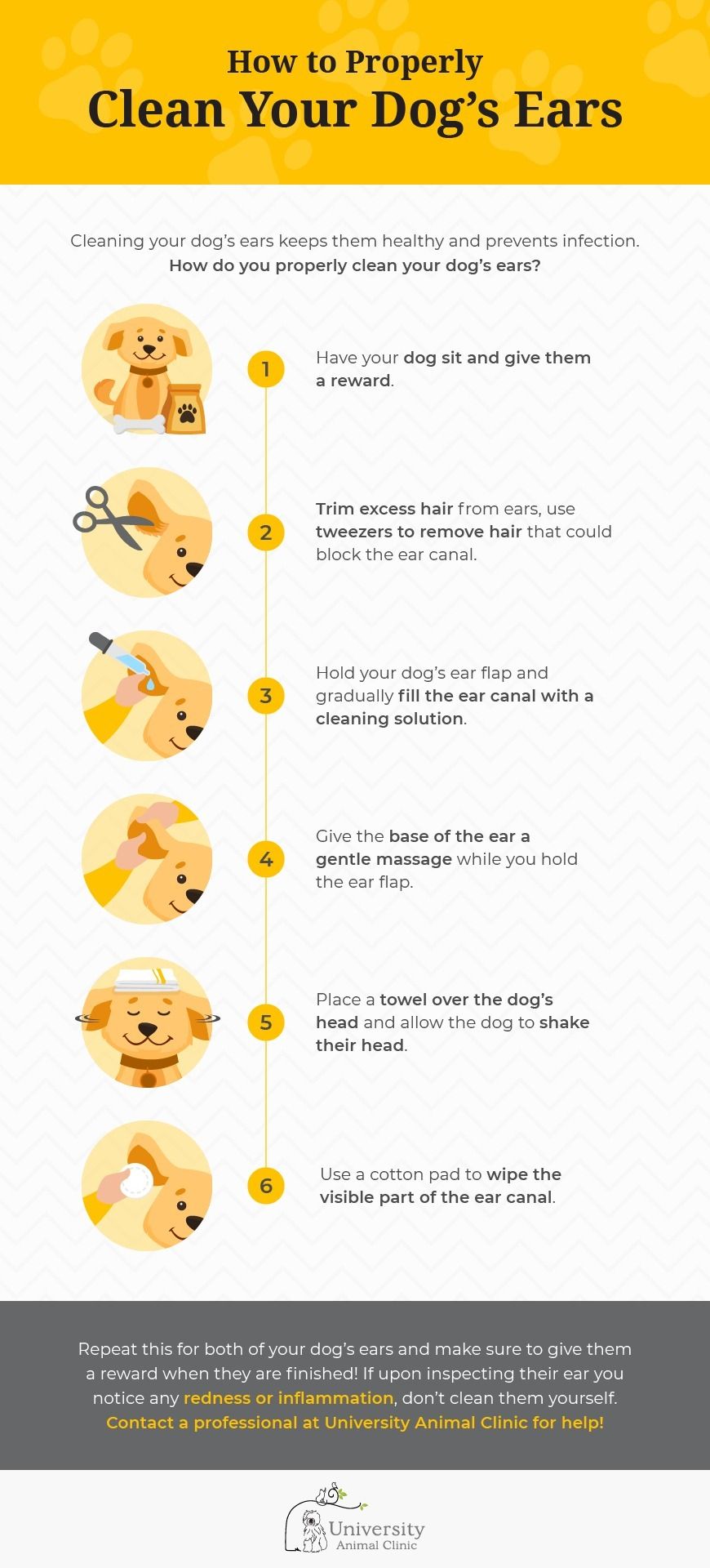
Maintaining your dog’s ear health is a crucial aspect of their overall grooming and well-being. While some dogs naturally have cleaner ears, others, particularly those prone to infections, require more frequent attention. Proper ear cleaning not only prevents discomfort but also significantly reduces the risk of developing painful ear infections. This guide will walk you through why ear cleaning is important, what you’ll need, and how to perform the cleaning safely and effectively.
Why Ear Cleaning is Essential for Dogs
The unique structure of a dog’s ear canal, with its horizontal segment, makes it challenging for trapped debris and wax to be expelled naturally. Over time, this buildup can lead to irritation, itching, and, most commonly, ear infections. Regular cleaning helps to remove this material, keeping the ear canal healthy and preventing potential problems.
Choosing the Right Ear Cleaner
It’s highly recommended to use a high-quality ear cleaning solution specifically designed for dogs. Avoid cleaners containing alcohol or hydrogen peroxide, as these can irritate the ear canal, especially if it’s already inflamed or contains sores. Many veterinary-approved cleaners are formulated with antibacterial or antifungal agents to proactively combat infections and are more effective at breaking down wax buildup. If you’re unsure which product is best for your dog, your veterinarian can provide expert recommendations.
What You’ll Need for Ear Cleaning
Gathering the right supplies before you start will make the process smoother for both you and your dog. You will need:
- A good quality dog ear cleaning solution.
- Cotton balls or gauze pads.
- Treats to reward your dog for their cooperation.
Crucially, never use cotton-tipped applicators (Q-tips). These can easily perforate your dog’s eardrum or cause trauma to the sensitive ear canal. Furthermore, they tend to push debris further into the ear rather than removing it.
Do All Dogs Need Regular Ear Cleanings?
Not all dogs require frequent ear cleanings. Over-cleaning can also lead to irritation and subsequent infections. Dogs with healthy, clean ears may never need manual cleaning. However, it’s advisable to inspect your dog’s ears regularly. If you notice any discharge, unusual odor, or redness, it’s time for a cleaning. Your veterinarian can help you determine the appropriate cleaning frequency for your individual dog.
Important Note: If your dog’s ears appear red, inflamed, or are causing them pain, consult your veterinarian immediately. These could be signs of a significant ear infection or a ruptured eardrum, requiring professional medical attention before any cleaning is attempted.
Step-by-Step Guide to Cleaning Your Dog’s Ears
Performing ear cleaning at home can be done safely with the right technique. Here’s a detailed guide:
- Positioning: Sit on the floor with your dog in front of you, their rear end between your legs. For larger breeds, you can position them in a corner with their side against a wall, and you stand on their opposite side.
- Expose the Canal: Gently grasp one ear flap (pinna) and hold it vertically. This action straightens the ear canal, making it easier to access and clean.
- Apply Cleaner: While holding the ear flap up with one hand, use your other hand to hold the ear cleaning solution. Squeeze enough cleaner into the ear canal to fill it completely. Some cleaner may spill out, which is normal. Avoid touching the tip of the cleaner bottle to your dog’s ear to prevent contamination. If the tip does make contact, clean it with a cotton ball soaked in alcohol.
- Massage the Base: Continue holding the ear flap up and use your other hand to gently but firmly massage the base of the ear, just below the ear opening, for about 30 seconds. You should hear a squishing sound, indicating the cleaner is working its way through the ear canal to break up debris.
- Initial Wipe: With the ear flap still held up, use a cotton ball or gauze to wipe away any debris from the inner part of the ear flap and the upper part of the ear canal.
- Let Them Shake: Allow your dog to shake their head. This natural action helps to dislodge remaining debris and cleaner from deeper within the ear canal, bringing it closer to the opening.
- Second Wipe: Again, hold the ear flap up and use a fresh cotton ball or gauze to remove loosened debris and cleaning solution from the outer opening of the ear canal.
- Final Cleaning: Use a cotton ball or gauze to clean any remaining debris and solution from the ear canal. Only insert your finger as far as it naturally reaches into the canal. Never use Q-tips.
- Reward: Offer your dog treats and praise for their good behavior.
- Repeat: Perform the same process on the other ear.
- Observe for Pain: If your dog shows signs of pain at any point during the cleaning, stop immediately and consult your veterinarian.
- Follow Vet’s Advice: Repeat the cleaning as often as recommended by your veterinarian.
Applying Ear Medication
If your dog has been prescribed ear medication, it’s typically applied after cleaning. Always follow your veterinarian’s specific instructions regarding application frequency and dosage.
- Clean First: If medication is needed, it’s best applied right after cleaning the ears.
- Expose the Canal: Gently grasp the ear and pull the flap straight up to straighten the ear canal.
- Administer Medication: Carefully administer the prescribed number of drops. Again, do not let the dropper tip touch the ear.
- Massage to Distribute: Hold the ear flap up and gently massage the base of the ear for about 30 seconds. This ensures the medication coats the entire ear canal. You may hear a squishing sound.
- Treat Flap Infection (if applicable): If the ear flap itself is infected, apply the prescribed medication to it and spread it gently with your finger (preferably gloved).
- Repeat for Other Ear: Follow the same steps for the second ear if required.
- Cleanliness: If debris or medication accumulates on the ear flap, it can be wiped away with a cotton ball soaked in ear cleaning solution.
For more information on canine eye care, you can explore dog eye drops for dry eyes. If you suspect your dog might have an ear infection, understanding the best medicine for a dog’s ear infection is also crucial. Always consult your vet for proper diagnosis and treatment. Remember that using the correct eye medicine for dogs is also vital for their overall health.
This client information sheet is based on material written by: Amy Panning, DVM.
© Copyright 2018 LifeLearn Inc. Used and/or modified with permission under license.