
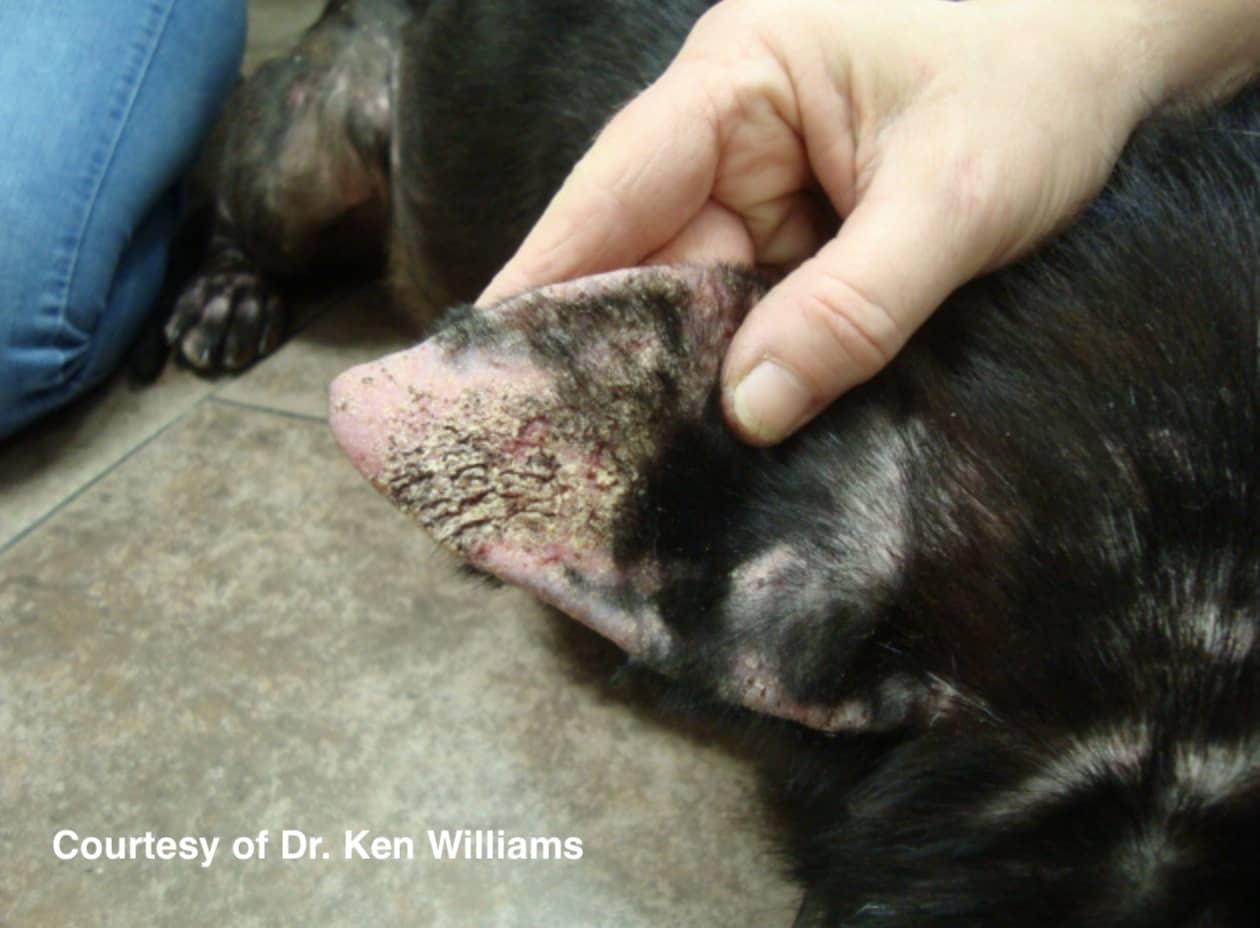
Mange is a distressing skin condition affecting dogs, characterized by intense itching and discomfort caused by microscopic mites. These parasites infest the hair follicles, leading to a variety of symptoms that can significantly impact a dog’s well-being. Understanding the different types of mange, how dogs contract it, and the available treatment options is crucial for pet owners to effectively manage and prevent this ailment.
What is Mange in Dogs?
Mange in dogs is a skin disease triggered by specific types of mites that inhabit the hair follicles. The two primary culprits are Sarcoptes and Demodex mites. These tiny organisms are responsible for the severe itching and discomfort experienced by affected canines. In some instances, mange infections can be transmitted between dogs, and even from dogs to cats or people, and vice versa. It’s important to note that not all mite infestations result in mange; for example, ear mites cause ear infections rather than mange.
Types of Mange in Dogs
There are two main categories of mange that affect dogs:
- Sarcoptic Mange (Scabies): This form is caused by Sarcoptes scabiei mites. These mites burrow into the superficial layers of a dog’s skin, causing intense itching. Sarcoptic mange is highly contagious and can spread rapidly among dogs through direct contact. It can also be transmitted to humans, causing a temporary rash.
- Demodectic Mange (Red Mange): This type is caused by Demodex canis mites, which are naturally found in the hair follicles of most dogs. In healthy dogs, the immune system keeps these mites in check. However, in puppies with immature immune systems or adult dogs with compromised immunity, Demodex mites can overpopulate, leading to mange. Demodectic mange is generally not contagious to humans or other dogs.
Symptoms of Mange in Dogs
The manifestation of mange symptoms can vary depending on the type of mite involved and the severity of the infection. However, common signs that a dog may have mange include:
- Intense Itching (Pruritus): This is often the most prominent symptom, leading to excessive scratching, licking, and biting at the skin.
- Hair Loss (Alopecia): Patches of hair loss, often starting on the face, ears, elbows, and legs, are common. This can become widespread in severe cases.
- Redness and Inflammation: The skin may appear red, irritated, and inflamed.
- Skin Lesions: Self-inflicted wounds (excoriations) from scratching can occur. Raised bumps (papules) may also appear, particularly on the chest.
- Crusted or Thickened Skin: The skin can become thick and crusted, especially around the ear flaps, ankles, armpits, and elbows.
- Secondary Skin Infections: The compromised skin barrier makes dogs susceptible to bacterial and yeast infections, which can exacerbate itching and inflammation.
Puppies with mange will exhibit the same symptoms as adult dogs and require immediate veterinary attention.
How Do Dogs Get Mange?
The transmission of mange depends on the type of mite:
- Sarcoptic Mites: These mites are typically spread through direct contact with an infected dog. This commonly occurs in environments with a high density of dogs, such as shelters, boarding kennels, or dog parks. Sarcoptic mites need a host to survive and do not live long in the environment. While poor hygiene can exacerbate the condition, it’s not the sole cause. These mites are attracted to the natural oils on a dog’s skin.
- Demodectic Mites: Demodex mites are a normal part of a dog’s skin flora. They are usually transmitted from mother to puppy during the early stages of life. Mange develops when the dog’s immune system is unable to control the mite population, leading to an overgrowth within the hair follicles.
How Veterinarians Diagnose Mange in Dogs
Diagnosing mange requires a professional veterinary assessment. Your veterinarian will typically employ a combination of methods:
- Physical Examination: A thorough examination of the dog’s skin and coat to identify visible signs of mange.
- Skin Scrape Test: This is the most common diagnostic tool. The veterinarian uses a scalpel blade to gently scrape the surface of the skin, collecting skin cells and debris. These samples are then examined under a microscope to identify the presence of mites.
- Hair Pluck: A hair sample may be plucked from the dog’s fur to examine mites within the hair follicles under a microscope. This can also help rule out other skin conditions.
- Cytology: This involves studying cells to assess their structure and function, which can help identify secondary infections.
- Skin Biopsy: In severe or chronic cases, a small sample of skin may be surgically removed for microscopic examination.
- Fecal Test: While less common for mange diagnosis, it can be used to assess overall parasite load.
- PCR Test: This advanced test can detect mite DNA, offering a sensitive diagnostic method.
Dog Mange Treatment
The treatment for mange is tailored to the specific type of mite and the severity of the infection. It typically involves a multi-faceted approach:
- Antiparasitic Medications: Oral or injectable medications are prescribed to kill the mites. Common treatments include isoxazolines, milbemycin oxime, and selamectin.
- Topical Treatments: Medicated shampoos, dips, and spot-on treatments are used to kill mites on the skin’s surface and soothe irritation.
- Antibiotics: If secondary bacterial infections are present, antibiotics will be prescribed to clear the infection and reduce inflammation.
- Anti-itch Medications: To alleviate severe itching and prevent further skin damage, medications to control pruritus may be recommended.
- Supportive Care: In some cases, a “cone of shame” (Elizabethan collar) or a recovery suit may be necessary to prevent the dog from scratching or licking the affected areas.
It is crucial that mange is treated by a veterinarian, as attempting home remedies can be ineffective and potentially harmful.
Recovery and Management of Mange in Dogs
Effective recovery and long-term management of mange involve consistent veterinary care and diligent home management:
- Environmental Disinfection (for Sarcoptic Mange): For dogs with scabies, it’s essential to thoroughly clean and disinfect the dog’s living environment. This includes washing all bedding, toys, collars, and crates in hot water and using appropriate disinfectants. Since sarcoptic mites have a limited lifespan off the host, environmental cleaning helps prevent re-infestation.
- Preventative Care: To avoid re-infestation and protect other pets, regular administration of monthly or tri-monthly parasitic preventatives is recommended.
- Monitoring: Regular follow-up appointments with the veterinarian are important to monitor the dog’s progress and adjust treatment as needed.
- Addressing Underlying Conditions: For demodectic mange, especially in adult dogs, identifying and managing any underlying health issues that may have compromised the immune system is vital.
With appropriate veterinary treatment, most dogs can achieve a full recovery from mange. However, chronic cases may indicate underlying systemic illnesses or persistent secondary infections, requiring ongoing management. Untreated or improperly treated mange can be fatal due to secondary complications and severe malnutrition.
How To Prevent Mange in Dogs
Preventing mange involves a proactive approach to your dog’s health:
- Regular Veterinary Check-ups: Annual wellness exams allow your veterinarian to detect potential health issues, including weakened immune systems, before they become severe.
- Consistent Preventative Care: Administering a veterinarian-recommended flea, tick, and mite preventative on a regular schedule is crucial for protecting your dog from various parasites, including those that cause mange.
- Good Nutrition and Overall Health: Ensuring your dog receives a balanced diet and maintains good overall health supports a strong immune system, making them less susceptible to mite overpopulation.
- Minimize Exposure (for Sarcoptic Mange): Avoid close contact with dogs that may have mange, especially in environments where transmission is common.
Mange in Dogs FAQs
Is mange contagious?
Some forms of mange are contagious. Sarcoptic mange (scabies) is highly contagious to other dogs and can be transmitted to humans. Demodectic mange is generally not contagious to people or other dogs.
Is it OK to touch a dog with mange?
When handling a dog with sarcoptic mange, it is advisable to wear gloves and practice strict hygiene, including thorough hand washing with antibacterial soap afterward. For demodectic mange, touching is generally safe, but it’s still good practice to maintain good hygiene.
Can mange kill a dog?
Yes, untreated mange can be fatal. Severe infestations can lead to emaciation, malnutrition, and secondary infections that can overwhelm the dog’s system. Mange can also be fatal if underlying medical conditions are not managed appropriately.
What does early-stage mange in dogs look like?
Early-stage mange can be easily mistaken for other skin conditions such as pyoderma (bacterial skin infection), allergies, or even a flea infestation. Symptoms may include mild redness, small bumps, and some itching or hair loss. Prompt veterinary diagnosis is essential to differentiate mange from other issues.