
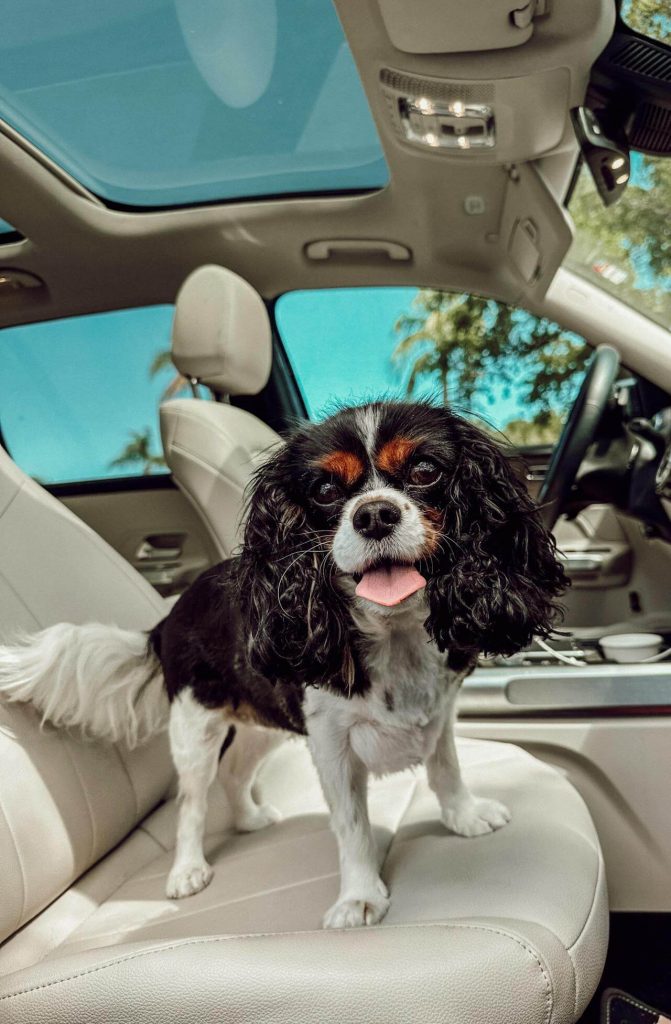
Motion sickness is a common ailment experienced by dogs during travel, leading to discomfort and various physical symptoms. While generally not a critical health emergency, understanding its causes, symptoms, and effective management strategies is crucial for pet owners to ensure their dog’s well-being and reduce travel-related anxiety. This guide delves into what dog motion sickness entails, how it’s diagnosed and treated, and how to prevent it for a more comfortable travel experience for your canine companion.
What is Dog Motion Sickness?
Dog motion sickness is a condition characterized by feelings of unwellness, primarily triggered by travel in vehicles such as cars, planes, or boats. The core of the issue lies in the sensory conflict experienced by the dog. The inner ear, responsible for balance, sends signals to the brain indicating movement, while the eyes may perceive a stationary environment within the vehicle. This discrepancy can induce nausea and other gastrointestinal distress. While it typically resolves once the motion stops, severe cases can lead to vomiting and dehydration, necessitating prompt veterinary attention.
Symptoms of Dog Motion Sickness
Recognizing the signs of motion sickness is key to intervening and alleviating your dog’s discomfort. Common symptoms include:
- Excessive drooling
- Yawning
- Whining or restlessness
- Pacing
- Lethargy
- Loss of appetite
- Vomiting
- Diarrhea
Causes of Dog Motion Sickness
The primary driver of motion sickness in dogs is the act of traveling itself. The vestibular system in a dog’s inner ear, responsible for balance and spatial orientation, becomes overstimulated by the unpredictable movements of a car, plane, or boat. This overstimulation directly triggers nausea.
Furthermore, a dog’s emotional state can significantly exacerbate motion sickness. Dogs who are already fearful or anxious about traveling may begin to exhibit symptoms even before the journey commences. This anxiety amplifies the physical sensations of nausea.
Younger dogs are also more susceptible. The inner ear structures in puppies are still developing, making them more prone to sensory confusion during travel. While any breed can be affected, certain breeds like Boxers, Border Collies, and Dachshunds are anecdotally reported to be more likely to experience motion sickness.
How Veterinarians Diagnose Dog Motion Sickness
Diagnosing motion sickness in dogs typically involves a combination of observing the characteristic physical symptoms and gathering a detailed history from the pet owner. Veterinarians will inquire about the types of travel that trigger these symptoms, their duration, and the specific behaviors the dog exhibits. This information helps differentiate motion sickness from other potential health issues.
A crucial part of the veterinary examination is to rule out underlying medical conditions that could mimic or contribute to motion sickness. This includes checking for inner ear infections, which can cause similar symptoms of disorientation and nausea. A veterinarian will use an otoscope to examine the ear canal for any signs of discharge, inflammation, or infection. If abnormalities are detected, a swab may be taken for microscopic analysis to identify yeast or bacteria. In some cases, medications like diazepam might be considered to help manage anxiety associated with travel, which can be a contributing factor to motion sickness.
Treatment of Dog Motion Sickness
Managing motion sickness in dogs primarily focuses on alleviating symptoms during travel. Prescription medications are often the most effective approach. Veterinarians may prescribe medications to reduce nausea and drooling. These can include anti-emetics or other drugs that help calm the digestive system.
For instance, medications such as ondansetron can be effective in controlling nausea. Sedatives, like diazepam, may also be prescribed to reduce travel anxiety, which can significantly contribute to motion sickness. These medications are typically administered orally a couple of hours before the trip. Your veterinarian can also advise on the suitability of over-the-counter options like Dramamine for your specific dog.
Beyond medication, environmental adjustments within the vehicle can provide relief. Ensuring a cooler cabin temperature by opening a window slightly or using the air conditioning can be beneficial. Maintaining a calm atmosphere, perhaps with the radio playing softly at a low volume, may also help to soothe your dog. If an inner ear infection is identified as a contributing factor, your veterinarian will prescribe appropriate treatment, such as oral antibiotics like Clavamox or topical ear medications like Otomax.
Recovery and Management of Dog Motion Sickness
Dogs experiencing motion sickness usually recover within a few hours after the travel ceases. However, in more severe cases, recovery might take longer. During this recovery period, offering a bland diet can aid their digestive system. Boiled chicken and white rice are excellent choices for a bland diet, and can be given for a day or two. For persistent nausea, your veterinarian might recommend post-travel anti-nausea medication.
Prevention of Dog Motion Sickness
Preventing motion sickness involves a gradual desensitization process and, in some cases, pre-travel medication. You can start by getting your dog accustomed to being in a parked car, rewarding them with treats and praise. Gradually progress to short trips, slowly increasing the duration as your dog becomes more comfortable. This process helps them build tolerance and reduce anxiety associated with car rides.
For dogs prone to significant motion sickness, veterinarians may prescribe preventive medications before travel. Popular options include Cerenia (maropitant citrate) and trazodone, which help to mitigate nausea and anxiety, respectively.
Additionally, calming aids like Adaptil pheromone sprays can be useful for dogs experiencing travel anxiety. These sprays mimic natural calming pheromones, helping to create a more relaxed environment. If limiting travel is not feasible, bringing along familiar comfort items, such as a favorite stuffed animal, can provide a sense of security during the journey.
Dog Motion Sickness FAQs
How do you treat motion sickness in dogs?
Motion sickness in dogs is typically treated with prescription medications from a veterinarian, including anti-emetics to combat nausea, sedatives to manage anxiety, and sometimes antihistamines. Environmental management, such as cooler air and a calm atmosphere, also plays a role.
Is it normal for dogs to throw up on car rides?
While not ideal, it is quite common for dogs to vomit during car rides due to motion sickness. Recognizing the signs and consulting with a veterinarian can help manage and prevent this occurrence.
Which dog breeds are prone to car sickness?
Although any dog breed can experience car sickness, certain breeds such as Boxers, Border Collies, and Dachshunds are known to have a higher predisposition to this condition.