
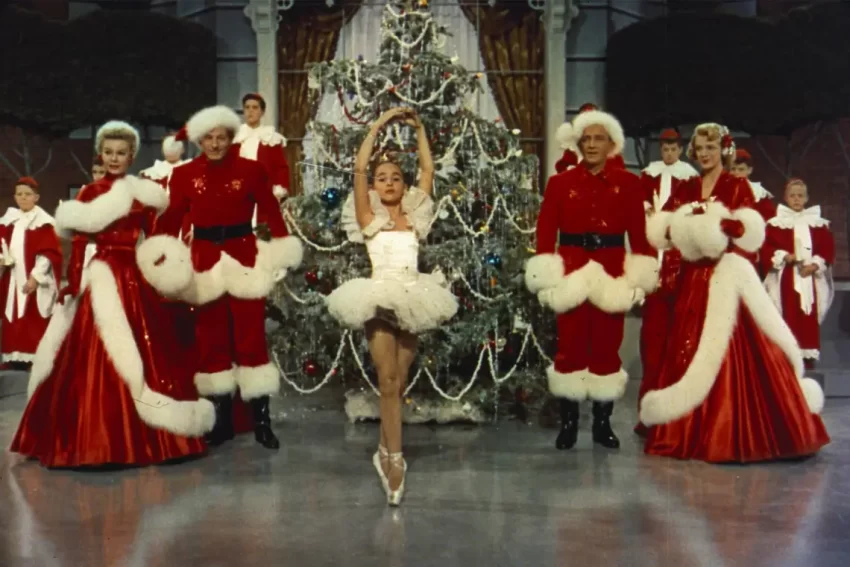
When we think of holiday music that has transcended generations, few songs evoke the same sense of nostalgia and warmth as “White Christmas.” Originally written by Irving Berlin, this iconic melody found one of its most beloved interpreters in Elvis Presley, the King of Rock ‘n’ Roll. For international audiences seeking to understand the depth of American Oldies music, exploring Elvis’s 1957 recording of “White Christmas” offers a perfect gateway. It is a journey into a golden era when pre-75 Oldies music was defining cultural identity, blending genres, and creating timeless art that continues to resonate today.
The Origins of a Holiday Standard
“White Christmas” was written by the legendary Irving Berlin, one of America’s greatest songwriters. Debuting in the 1942 film Holiday Inn, the song quickly became a cultural phenomenon. Its lyrics paint a picture of longing for a traditional, snowy Christmas—a sentiment that struck a chord with millions, especially during and after World War II. When Elvis Presley recorded his version in 1957, he was not merely covering a classic; he was placing his unique stamp on a piece of American history.
For those unfamiliar with the context, Berlin’s composition is more than a simple holiday tune. It represents a yearning for peace, home, and simpler times. Elvis, with his unparalleled ability to infuse emotion into every performance, understood this deeply. His version of “White Christmas” is not just a song; it is a bridge connecting the sentimental heart of traditional American music with the emerging energy of rock and roll.
Elvis Presley’s Recording Session: A Snapshot of Music History
To appreciate the significance of this recording, one must look at the moment it was created. In September 1957, Elvis Presley was at the peak of his early career. He had already revolutionized popular music with his groundbreaking singles, but he was also eager to explore different genres. On September 5, 6, and 7, 1957, Elvis entered the Radio Recorders studio in Hollywood, California, to record what would become his iconic Elvis’ Christmas Album.
The session details reveal a meticulous artist at work. On September 6, 1957, specifically, Elvis recorded “White Christmas,” which was designated as take H2PB 5526-09. This was a period when the music industry was transitioning from the big band and traditional pop eras into the rock and roll revolution. Elvis, often seen as the catalyst for that revolution, chose to pay homage to the traditions that preceded him. The recording sessions also produced other holiday staples such as “Blue Christmas,” “Santa Claus Is Back in Town,” and “Silent Night,” solidifying the album as a cornerstone of American holiday music.
The Significance of the 1957 Recording
Why does this particular version of “White Christmas” stand out among the hundreds of recordings that exist? The answer lies in its authenticity. Elvis approaches the song with a palpable reverence. While his rock and roll hits were marked by youthful rebellion and exuberance, “White Christmas” showcases his vocal versatility and his deep respect for American musical traditions. The arrangement is lush yet restrained, allowing his rich baritone to carry the melody’s emotional weight.
Moreover, this recording captures a specific moment in time: the late 1950s, a period often romanticized as the golden age of American culture. For international listeners, understanding this context is key to grasping the allure of Oldies music. This was an era of post-war optimism, the rise of suburbia, and the birth of a distinct teenage culture. Music was the heartbeat of this transformation, and Elvis was its undisputed king. By recording “White Christmas,” he was not only participating in a holiday tradition but also affirming his place within the broader tapestry of American music.
Cultural Impact and Legacy
Elvis’ Christmas Album, which features “White Christmas,” has become one of the best-selling Christmas albums of all time. Its enduring popularity speaks to the timeless nature of the music. For fans of Oldies music, the album is a treasure trove of what makes the genre so special: sincerity, melodic craftsmanship, and a connection to cultural roots.
The song itself, however, carries a unique duality. While it celebrates the ideal of a white Christmas, it also hints at a subtle melancholy. The longing in the lyrics—“Just like the ones I used to know”—suggests a nostalgia for a past that may be out of reach. Elvis’s interpretation amplifies this feeling, making it relatable to anyone who has ever felt separated from home or tradition. This emotional depth is a hallmark of the best famous America singers and songwriters of that era, who were able to weave complex feelings into seemingly simple melodies.
Why This Matters for International Audiences
For those discovering American Oldies music for the first time, “White Christmas” as performed by Elvis Presley serves as an excellent entry point. It encapsulates several key elements of the genre: the blending of musical styles (from pop to gospel to rock), the importance of the recording studio as a creative space, and the role of the artist as a cultural interpreter. Understanding this song helps listeners appreciate why the music from this period remains so influential.
The 1950s were a pivotal decade for American music. It was the time when rhythm and blues, country, and pop began to converge, giving birth to rock and roll. Artists like Elvis Presley were at the forefront of this fusion, but they also demonstrated a deep respect for the standards that came before them. “White Christmas” is a perfect example of this balance. It honors Irving Berlin’s original vision while allowing Elvis’s personality and vocal prowess to shine through.
Exploring the Complete Album and Beyond
The recording sessions that produced “White Christmas” also gave us other remarkable tracks that deserve attention. Songs like “Santa Claus Is Back in Town,” with its bluesy, rock-infused sound, showcase a different side of Elvis’s holiday repertoire. Meanwhile, “Silent Night” reveals his gospel roots and his ability to deliver a sacred song with profound sincerity. Together, these tracks form a cohesive body of work that highlights the breadth of Elvis’s talent.
For collectors and enthusiasts, the historical significance of these recordings is further underscored by materials like the Tupelo’s Own Elvis Presley DVD. This release features recently discovered, unreleased film footage of Elvis performing live in Tupelo, Mississippi, in 1956. It includes electrifying performances of songs like “Heartbreak Hotel,” “Don’t Be Cruel,” and “Long Tall Sally”—the latter seen for the first time ever with sound. Such archival materials provide a fuller picture of the era, showing Elvis not just as a studio artist but as a dynamic live performer who captivated audiences of thousands. These visual documents are invaluable for anyone seeking to understand the energy and cultural impact of the early rock and roll years.
The Enduring Allure of Oldies Music
What is it about Oldies music that continues to captivate new generations of listeners, even decades later? Part of it is the craftsmanship. Songs from this era were built on strong melodies, thoughtful lyrics, and a focus on vocal performance. There is a directness and emotional honesty that many find refreshing. Additionally, this music serves as a historical document, offering insights into the social and cultural currents of mid-20th century America.
For international audiences, exploring this genre is also a way to engage with American culture on a deeper level. The themes found in these songs—love, loss, longing, and celebration—are universal, but the specific contexts (post-war optimism, the rise of youth culture, the complexities of the American South) add layers of meaning. By understanding the stories behind the songs, listeners can gain a richer appreciation for both the music and the era that produced it.
Conclusion
Elvis Presley’s “White Christmas” is far more than a holiday song. It is a window into a pivotal moment in music history, performed by an artist who was both a revolutionary and a traditionalist. For those exploring the world of Oldies music, this recording offers a perfect starting point: it is accessible, deeply moving, and rich with cultural significance. From the hallowed studios of Radio Recorders in Hollywood to the live stages of Tupelo, Mississippi, the legacy of this music endures.
We invite you to delve deeper into this golden era. Listen to Elvis’s Christmas Album in its entirety. Explore the archival footage that brings his electrifying live performances to life. Discover the stories of the songwriters and musicians who shaped the sound of a generation. By doing so, you will not only enrich your understanding of Oldies music but also connect with a timeless tradition that continues to inspire and delight listeners around the world. May your days be merry and bright, and may your exploration of this remarkable music be a journey worth taking.
References
- Elvis Presley Enterprises. (1957). Elvis’ Christmas Album [Recording session notes]. Radio Recorders, Hollywood, CA.
- Berlin, I. (1942). “White Christmas” [Song]. Irving Berlin Music Company.
- Tupelo’s Own Elvis Presley [DVD]. (n.d.). Featuring unreleased 1956 concert footage.
- Guralnick, P. (1994). Last Train to Memphis: The Rise of Elvis Presley. Little, Brown and Company.