
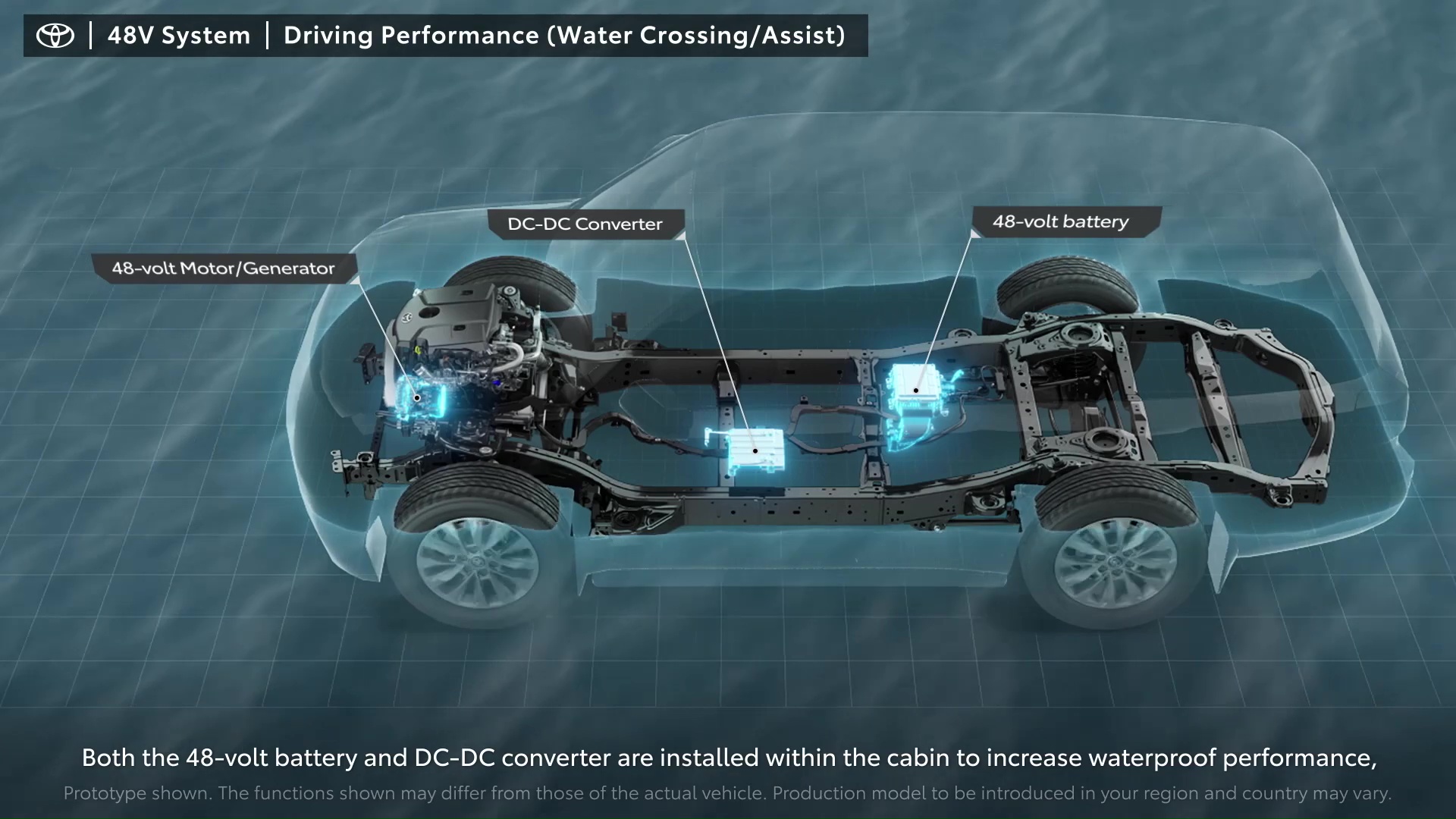
The integration of 48-volt mild hybrid (MHEV) technology in vehicles represents a significant evolution in automotive engineering, offering enhanced efficiency and a smoother driving experience. This advanced system, often seamlessly integrated into the vehicle’s powertrain, plays a crucial role in managing energy recuperation and providing supplemental power. Understanding how this technology functions can demystify its impact on performance and fuel economy.
The core of the 48V MHEV system lies in its powerful starter/generator and an auxiliary battery. This setup allows for robust electronic braking control. During deceleration, the starter/generator acts as a generator, capturing kinetic energy that would otherwise be lost as heat. This captured energy is then stored in the 48-volt battery, which can later be deployed to assist the internal combustion engine. This process not only improves fuel efficiency by reducing the engine’s workload but also contributes to a more refined driving feel. The energy recuperation is not constant; it’s a variable process with specific operational parameters, including an upper speed limit. Drivers might occasionally notice a distinct braking effect when coasting to a stop, particularly when the brake pedal is engaged with minimal pressure. This subtle yet significant braking is a direct result of the regeneration system actively working to recharge the battery.
The system’s integration is so sophisticated that it becomes almost imperceptible when the starter/generator is assisting acceleration or aiding the braking system. This seamless operation is a hallmark of modern MHEV technology. For instance, in models like the BMW X3, the 48V mild hybrid system has notably improved the stop-start function, making it far less intrusive than in previous iterations, thereby eliminating the jarring jolts associated with earlier systems. The off-button for this system has been removed in many newer models, a testament to its refined and unobtrusive operation.
BMW’s press materials further elaborate on the MHT/MHEV system, highlighting its dual capability. The 48-volt starter generator facilitates intensive braking energy recuperation, storing the generated electricity in an additional battery. This stored energy is then utilized not only for the vehicle’s electrical functions but also to provide an additional power source. When the current flows back to the starter generator, it functions as an electric drive, reducing the load on the combustion engine and allowing it to operate within its most efficient load range. This electric boost, an instantly available additional output of approximately 8 kW (11 hp), significantly supports dynamic power delivery during both initial starts and acceleration phases. This technology is a prime example of how electric motor assisted engine technology is reshaping the automotive landscape.
The advanced energy management within these vehicles contributes to a more dynamic and efficient driving experience. The synergy between the combustion engine and the electric boost allows for responsive acceleration while simultaneously optimizing fuel consumption. This approach to powertrain design aligns with the growing demand for more sustainable and technologically advanced automotive solutions. The continuous development in this area promises even more integrated and efficient hybrid systems in the future, potentially including more advanced applications derived from principles found in hybrid gas electric engine configurations. The effectiveness of such systems is a key consideration for anyone looking into beginner auto mechanic class to understand modern vehicle mechanics.
In conclusion, the 48V mild hybrid system is a sophisticated technology designed to enhance vehicle efficiency and driving refinement. Its ability to seamlessly recuperate energy during braking and provide supplemental power during acceleration results in a smoother, more responsive, and more economical drive. As automotive manufacturers continue to innovate, these mild hybrid systems are set to become an even more integral part of the driving experience, pushing the boundaries of what’s possible with toyota v6 hybrid engine and similar advanced powertrains. For those interested in the specifics of pricing and availability of certain high-performance models, exploring resources for vehicles like the 2019 acura nsx price can offer further insights into the evolving automotive market.