
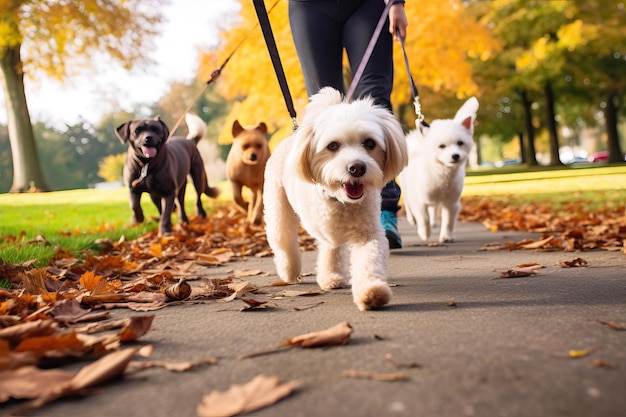
If you love dogs and enjoy spending time outdoors, a career as a professional dog walker or pet sitter might be the perfect fit. This role offers flexibility, physical activity, and the rewarding experience of caring for beloved pets when their owners are unavailable. Whether you’re looking for a full-time vocation or a part-time opportunity, understanding the requirements, responsibilities, and growth potential is essential for success.
What Does a Dog Walker Do?
Professional dog walkers provide essential services by exercising dogs while owners are at work or away. The primary responsibility involves taking dogs on scheduled walks, but many professionals expand their offerings to include:
- Pet sitting in the owner’s home, maintaining the pet’s routine and environment
- Pet boarding in your own home for extended care
- Puppy visits for feeding, playtime, and bathroom breaks
- Pet taxi services for veterinary appointments or grooming sessions
- Dog grooming as an additional service for loyal clients
This variety allows you to build a diverse client base while offering comprehensive care solutions.
Essential Qualities for Success
To thrive as a dog walker or pet sitter, you need more than just a love for animals. Successful professionals possess:
Strong communication skills – You’ll interact regularly with pet owners, discussing their pets’ needs, behaviors, and any concerns. Clear, professional communication builds trust and ensures expectations are met.
Physical fitness and resilience – This job demands walking for extended periods in all weather conditions. Being physically prepared for long walks, managing multiple dogs simultaneously, and maintaining energy throughout the day is crucial.
Patience and reliability – Building a client base takes time. A positive reputation grows through word-of-mouth as you consistently deliver dependable service. Reliability is the foundation of trust in this profession.
High responsibility and vigilance – You’re accountable for the safety of clients’ pets. Maintaining constant focus, anticipating potential hazards, and preventing injuries or escapes are non-negotiable responsibilities.
Organizational skills – Managing schedules, coordinating multiple clients, handling payments, and maintaining records requires practical planning and preparation.
Working Conditions and Flexibility
Dog walking offers remarkable flexibility but requires dedication. You can choose to work:
- Full-time or part-time depending on your availability and client demand
- As an employee for a professional pet sitting organization
- As a self-employed business owner, setting your own rates and schedule
Seasonal variations affect demand significantly. Summer months typically see increased requests for pet sitting and boarding services as families travel. Being prepared for peak periods while maintaining consistent service during quieter times is key to sustainable income.
Qualifications and Training
Unlike many professions, becoming a dog walker or pet sitter doesn’t require specific formal qualifications. However, obtaining relevant certifications significantly enhances your professional credibility:
Recommended qualifications:
- Animal first aid certification – often expected by discerning clients
- Animal behavior courses – demonstrating understanding of dog psychology and safety
- Animal care qualifications – providing foundational knowledge of pet health
If you join an established pet sitting organization, you’ll typically receive on-the-job training. Many companies offer testing, service reviews, and accreditation programs that certify your skills and professionalism.
Building experience:
Volunteering at local dog shelters or rescue organizations provides invaluable hands-on experience with dog behavior and interactions. Organizations like The Cinnamon Trust offer volunteer dog walking opportunities that develop your skills while contributing to a worthy cause.
Starting Your Career
Before launching your dog walking service, take these essential steps:
Secure proper insurance – Specialist insurance designed for dog walkers and pet sitters protects you, your clients, and their pets in case of accidents or emergencies.
Complete a DBS check – Especially important if clients provide access to their homes while absent. This background check demonstrates trustworthiness and professionalism.
Arrange transportation – Unless all clients are within walking distance, reliable transportation is necessary to travel between appointments and access pet-friendly parks.
Advertise your services – Start locally through:
- Listing your business on dog and pet websites
- Contacting local dog agility and training classes
- Joining professional associations like the National Association of Registered Pet Sitters (NARPS)
- Creating social media presence and local community engagement
Earning Potential and Benefits
Income varies significantly based on employment type, location, and services offered:
Typical rates:
- Dog walking generally ranges from £5–£12+ per dog per hour
- Average rates fall around £7–£10 per hour
- Walking multiple dogs simultaneously increases hourly earnings potential
- Annual income typically ranges between £9,000–£19,000 for self-employed walkers
Additional benefits:
- Excellent physical exercise as part of your daily work
- Flexible scheduling allowing you to design your workday
- Ability to offer multiple services (boarding, sitting, grooming) for diversified income
- Independence and autonomy if self-employed
Career Progression Opportunities
The dog walking profession offers numerous pathways for growth:
Expand service offerings – Add dog bathing, grooming, pet taxi services, or pet daycare to increase revenue streams.
Specialize in training – With additional qualifications, offer dog training and obedience classes to existing clients.
Open boarding facilities – Transition from in-home boarding to dedicated boarding kennels.
Build a franchise – Successful operations can scale into franchised businesses serving larger client bases.
Develop your own business – Many professionals find their experience leads to establishing successful, sustainable enterprises with multiple employees.
Final Thoughts
Becoming a professional dog walker or pet sitter combines passion with practicality. Success requires patience, professionalism, and genuine affinity with animals. While formal qualifications aren’t mandatory, investing in certifications, insurance, and professional development significantly enhances your credibility and earning potential.
The flexibility to design your schedule, the physical benefits of outdoor work, and the joy of caring for dogs make this career rewarding for those who commit to excellence. Whether starting as a part-time endeavor or building toward a full-time business, the path offers meaningful work supporting both pets and their owners.
Note: Requirements and entry criteria may vary between organizations. Always verify current requirements with relevant colleges, professional associations, or regulatory bodies before making career decisions.