
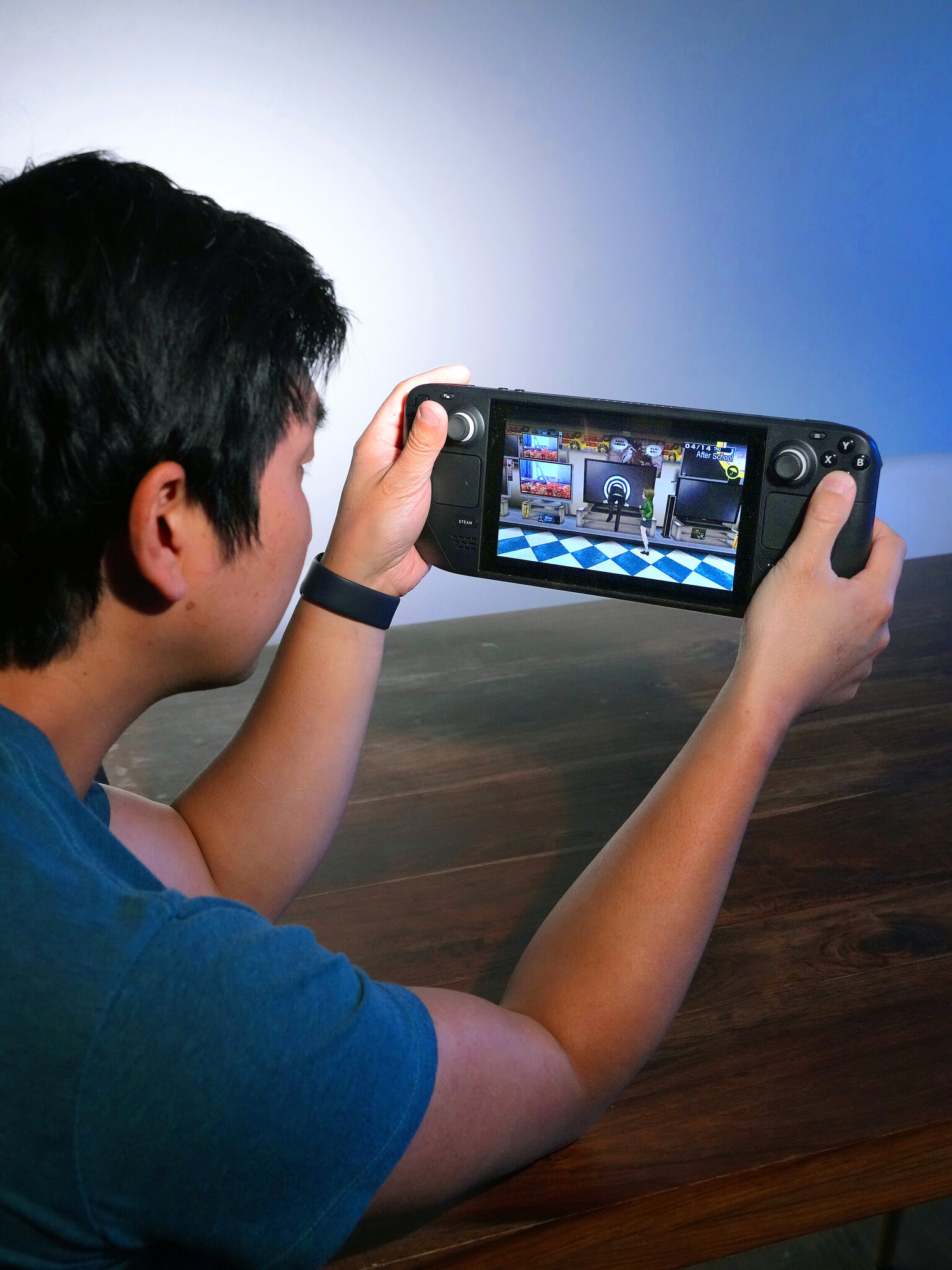
The Steam Deck has emerged as a significant player in the handheld gaming market, praised for its robust capabilities and versatility. Many users, like the author, find it an excellent piece of hardware that delivers on its promises, even introducing them to new gaming experiences they might otherwise have overlooked. However, the core question for many potential buyers remains: does the Steam Deck truly fill a unique niche in their gaming habits, or does it get squeezed between existing platforms?
While the Steam Deck excels as a portable PC, its actual utility can be highly dependent on individual lifestyle and gaming preferences. For those with ample free time at home who prefer traditional PC gaming setups, the allure of mouse and keyboard might still win out, even for games optimized for controllers. Similarly, for individuals with limited free time or who travel frequently, the convenience of a lighter, more focused device like an e-reader can be more appealing for quick bursts of entertainment. The Steam Deck, in this context, finds its sweet spot often serving as a home console for games that naturally lend themselves to controller input, or for revisiting existing PC titles that play well on the go.
Ultimately, the Steam Deck is a testament to the growing possibilities of handheld PC gaming. Its ability to run a vast library of Steam titles is undeniable, and for many, it opens up new ways to enjoy their favorite games. The decision to purchase, however, hinges on a realistic assessment of how such a device integrates into one’s daily routine and existing gaming ecosystem. If your schedule allows for dedicated gaming sessions and you appreciate the flexibility of playing PC titles anywhere, the Steam Deck is a compelling option. For others, it may represent a powerful tool that, despite its strengths, struggles to find consistent use amidst established habits and preferences.