
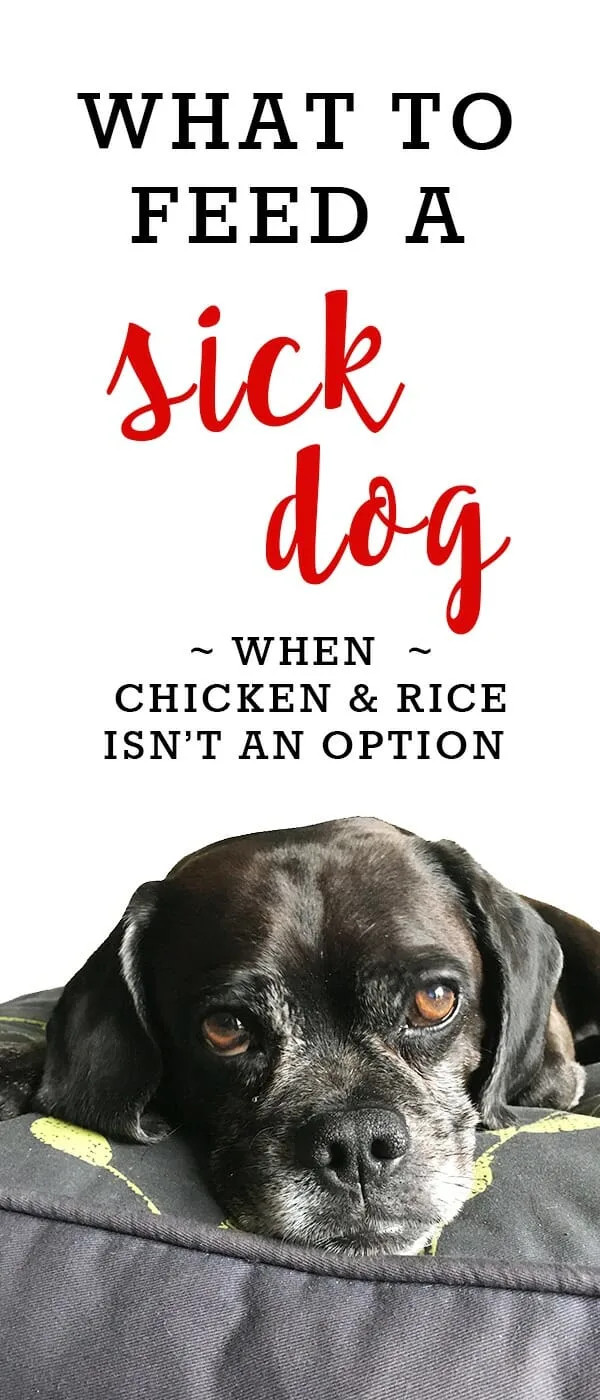
When your canine companion falls ill, one of the first signs you might notice is a loss of appetite. Just like humans, dogs can lose interest in food when they’re not feeling well. While a single missed meal is usually not a cause for alarm, a persistent refusal to eat can be concerning. Understanding why your dog might be off their food and what you can do to encourage them to eat is crucial for their recovery.
Why Your Dog May Lose Their Appetite
Several factors can contribute to a dog’s decreased appetite. Common reasons include:
- Illness or Infection: Underlying health issues are a primary cause of appetite loss.
- Post-Surgery Recovery: Dogs may feel unwell or experience pain after a surgical procedure, leading to reduced appetite.
- Grief or Stress: Emotional distress, such as mourning the loss of a companion or experiencing significant changes in their environment, can affect a dog’s eating habits.
- Aging: As dogs get older, their metabolism and appetite can naturally decrease.
If your dog’s loss of appetite is accompanied by other worrying symptoms such as vomiting, lethargy, weight loss, diarrhea, coughing, gagging, or wheezing, it is essential to contact your veterinarian promptly for an examination and potential testing.
Methods for Encouraging a Sick Dog to Eat
When your dog is reluctant to eat, various strategies can help entice them. It’s often a process of trial and error to find what works best for your individual dog.
Patience and Observation
Sometimes, the best approach is to simply wait. Dogs can go a few days without eating, provided they are drinking water. Leaving their regular food accessible allows them to graze if they feel hungry.
Introducing Tempting Treats
Consider offering your dog small amounts of palatable human foods they wouldn’t normally receive. Cooked chicken or even unseasoned baby food can be enticing. Mix these with their usual food to encourage them to eat their regular diet. However, avoid overfeeding treats, as this can negatively impact their health.
Exploring Different Food Options
If your dog is particular about dry food, trying a different brand or formula might help. Pet stores often offer sample packs. Alternatively, mixing in some wet food can increase the appeal due to its stronger aroma and different texture.
Enhancing Food Palatability
Warming your dog’s food can significantly increase its smell and taste, which is especially helpful if their sense of smell is diminished due to illness. Adding warm, low-sodium broth to their food can also introduce extra flavor and moisture, making it more appealing.
Direct Interaction and Feeding
Hand-feeding individual pieces of food can provide comfort and encouragement to a sick dog. While this can be time-consuming, it might eventually lead them to eat from their bowl.
Medication Awareness
If your dog is on medication, such as antibiotics, read the instructions carefully. Some medications can affect appetite. Waiting at least fifteen minutes after administering medication before offering food allows it to be absorbed properly.
Allowing Natural Instincts
If your dog is trying to eat grass, let them. Vomiting can sometimes help clear an upset stomach. Ensure your dog stays well-hydrated. However, if vomiting is excessive or grass-eating is frequent, consult your vet.
Veterinary Consultation
A visit to the vet is always recommended if your dog is sick and refusing food. They can diagnose the underlying issue and recommend appropriate treatments, including appetite stimulants if necessary. Your vet can prescribe medications to address nausea or mimic hunger hormones, but this requires a proper diagnosis.
Syringe Feeding (Use with Caution)
As a last resort, and only under veterinary guidance, syringe feeding can be considered if your dog hasn’t eaten for two days. Feeding liquids like broth or diluted wet food via a syringe can help maintain nutrition. It’s vital to learn the correct technique from your vet to avoid health risks.
Appetizing Foods for a Sick Dog
Certain foods are generally more appealing and easier on a sick dog’s digestive system.
- Wet Food: Often more palatable than dry kibble, wet food also has a higher water content, aiding hydration.
- Baby Food: Opt for meat-based varieties (chicken, lamb, turkey) without onion or garlic. It’s easy to digest and can be nutritious.
- Bone Broth and Chicken Broth: These are mild, nutritious, and easy on an upset stomach. They provide hydration and flavor.
- Shredded Chicken: Unseasoned and finely shredded chicken is easy to eat and appealing to most dogs.
- Chicken and White Rice: A bland mixture that’s gentle on the stomach. Ensure the chicken is fully cooked and unseasoned, and use white rice.
- Pumpkin: Canned, unseasoned pumpkin is high in fiber and beneficial for digestion. Avoid pumpkin pie filling due to its sugar and spice content.
Consult your veterinarian before introducing any new foods.
The Critical Role of Water
Water intake is paramount, often more so than food. Encourage your dog to drink by offering ice cubes, water on your fingers, or adding ice to their bowl. If your vet approves, Pedialyte can also be an option.
Watch for signs of dehydration: loss of appetite, panting, lethargy, dry gums, dry nose, and reduced skin elasticity. Seek immediate veterinary care if these signs appear, as dehydration can quickly become serious.
Foods to Avoid When Your Dog is Sick
Some human foods are toxic to dogs and should be strictly avoided, especially when they are already unwell:
| Food Item | Reason for Avoidance |
|---|---|
| Xylitol | Causes blood sugar drops and liver failure. |
| Avocado | Seeds can cause obstruction; can cause illness. |
| Grapes or Raisins | Can lead to kidney failure. |
| Caffeine | Potentially fatal. |
| Onions or Garlic | Can cause anemia or poisoning. |
| Alcohol | Can cause vomiting, breathing problems, and death. |
| Milk or Dairy | May cause diarrhea and digestive upset. |
| Human Medication | Can cause severe illness or be fatal. |
| Chocolate | Can cause vomiting, diarrhea, and is potentially fatal. |
| Sugar | Contributes to weight gain and diabetes. |
| Macadamia Nuts | Causes muscle tremors, vomiting, and other symptoms. |
| Raw Eggs | Risk of Salmonella or E. coli. |
| Raw Fish or Meat | Risk of parasites. |
| Uncooked Yeast Dough | Can rise in the stomach or cause alcohol poisoning. |
| Fat Trimmings | Can lead to pancreatitis. |
| Spices, Baking Soda | Can be toxic. |
| Bones | Can cause choking or internal injury. |
| Pits/Seeds in Fruits | Can cause digestive issues or be poisonous. |
| Salt | Excessive amounts can cause dehydration. |
If your dog has been vomiting or has diarrhea, withhold food for at least twelve hours after the last episode. If these symptoms persist for two or more days, veterinary attention is necessary.
Frequently Asked Questions
Do Sick Dogs Lose Their Sense of Smell?
While illness itself doesn’t always affect smell, conditions like allergies, infections, or a dry nose can diminish a dog’s sense of smell.
How Long Can a Dog Go Without Food?
Ideally, dogs shouldn’t go without food for more than two days. Water intake is even more critical. If your dog hasn’t eaten or drunk for 48 hours, seek veterinary help immediately.
Should You Force-Feed a Sick Dog?
Force-feeding should only be considered after a veterinarian’s assessment and demonstration, typically if a dog hasn’t eaten for over 48 hours.
What Else Can Help Your Dog?
Ensure your dog has a comfortable resting place and gentle walks if they feel up to it. Your calm demeanor can also help reduce their stress.
After 48 Hours of Refusal
If your dog continues to refuse food after 48 hours, seeking immediate veterinary care is crucial. Veterinary professionals can accurately diagnose the issue and provide the necessary treatment to help your furry friend recover.
Contact Us for urgent care if your dog is still refusing to eat.