
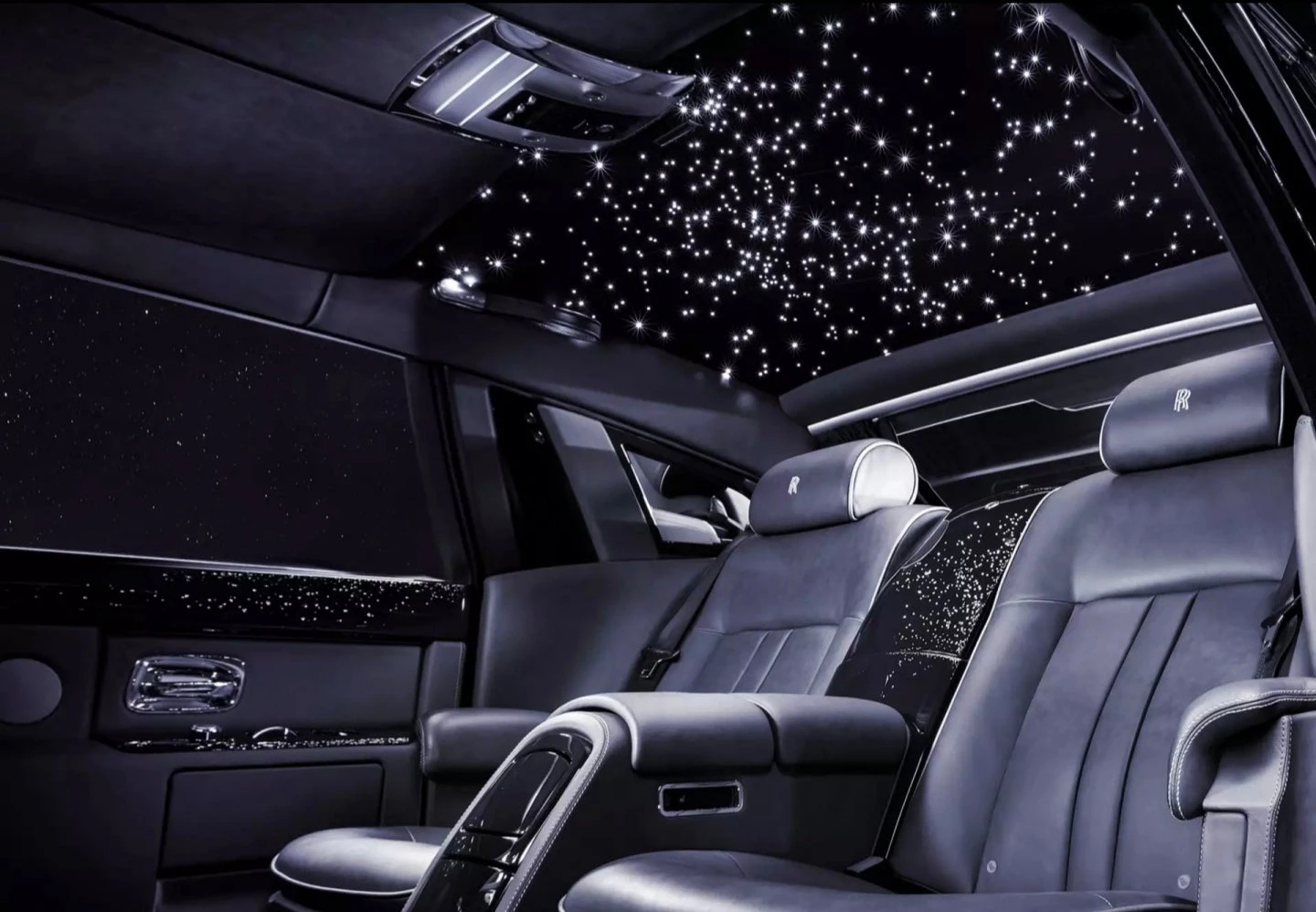
The top 100 luxury car brands include ultra-luxury marques, premium manufacturers, exotic performance builders, and emerging luxury companies. Brands such as Rolls-Royce, Bentley, Mercedes-Benz, Ferrari, Porsche, Lamborghini, BMW, Lexus, and Aston Martin are recognized for different strengths including craftsmanship, heritage, exclusivity, technology, and ownership experience.
Choosing among the top 100 luxury car brands is difficult because many existing lists mix premium manufacturers, ultra-luxury marques, exotic builders, and performance-focused companies without explaining why they belong together. This guide provides a structured way to evaluate high-end car companies by prestige, heritage, craftsmanship, exclusivity, technology, and market position so you can categorize brands more confidently.
The top luxury car brands are ranked by an editorial methodology that weighs five factors: heritage, craftsmanship, exclusivity, innovation, and ownership experience. Brands such as Rolls-Royce, Bentley, Ferrari, Mercedes-Benz, Porsche, Lamborghini, BMW, Lexus, and Aston Martin occupy different positions because luxury is not defined by price alone; it also depends on personalization, brand identity, engineering focus, and customer expectations.
Top 100 luxury car brands ranked by prestige and market position
A useful luxury ranking must separate brands that compete in different spaces. A premium manufacturer may focus on refined daily vehicles, while an ultra-luxury marque may produce highly personalized vehicles in much smaller numbers. The ranking below uses an editorial framework rather than an official industry authority list.
The five-factor PRESTIGE framework evaluates:
- Heritage and influence — Review the brand’s historical role, design identity, and ability to maintain recognition across generations.
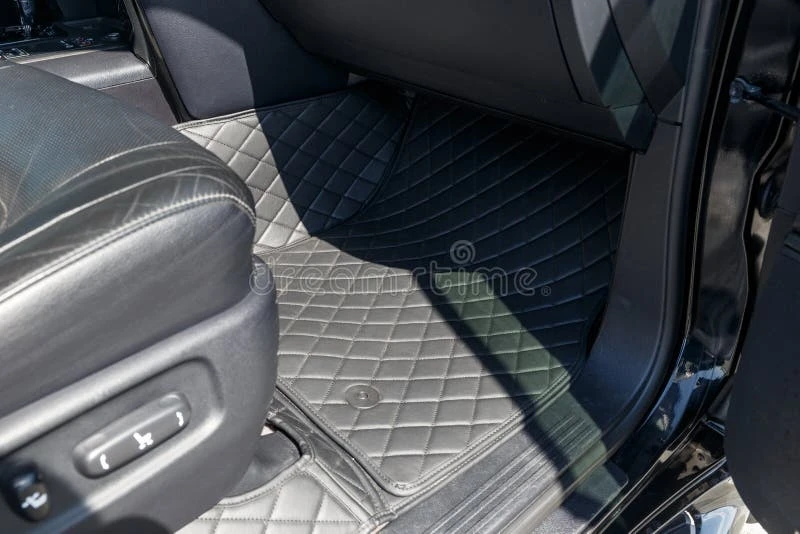
- Craftsmanship and personalization — Assess materials, handcrafted interior details, bespoke customization programs, and factory personalization options.
- Rarity and exclusivity — Consider production approach, limited edition strategies, and whether ownership provides a distinct level of access or individuality.
- Technology and market position — Compare engineering innovation, electric vehicle development, performance systems, and global positioning.
- Ownership experience — Evaluate customer relationships, brand culture, collector interest, and the expectations attached to ownership.
This approach avoids ranking brands only by MSRP. A high-priced vehicle is not automatically an ultra-luxury vehicle, and a lower-volume manufacturer is not automatically more prestigious.
Luxury brand ranking examples by positioning
| Brand | Region | Luxury category | Key strength | Positioning |
|---|---|---|---|---|
| Rolls-Royce | United Kingdom | Ultra-luxury bespoke | Handcrafted customization and client-specific commissions | Exclusive flagship luxury for collectors and high-net-worth buyers |
| Mercedes-Benz | Germany | Premium luxury and performance | Broad luxury lineup with advanced technology and flagship models | Global premium manufacturer with strong executive market presence |
| Ferrari | Italy | Exotic performance luxury | Racing heritage and limited-production sports cars | Collector-focused prestige brand built around exclusivity and performance identity |
| Lexus | Japan | Premium luxury | Refinement, reliability, and ownership experience | Technology-focused luxury alternative with global premium positioning |
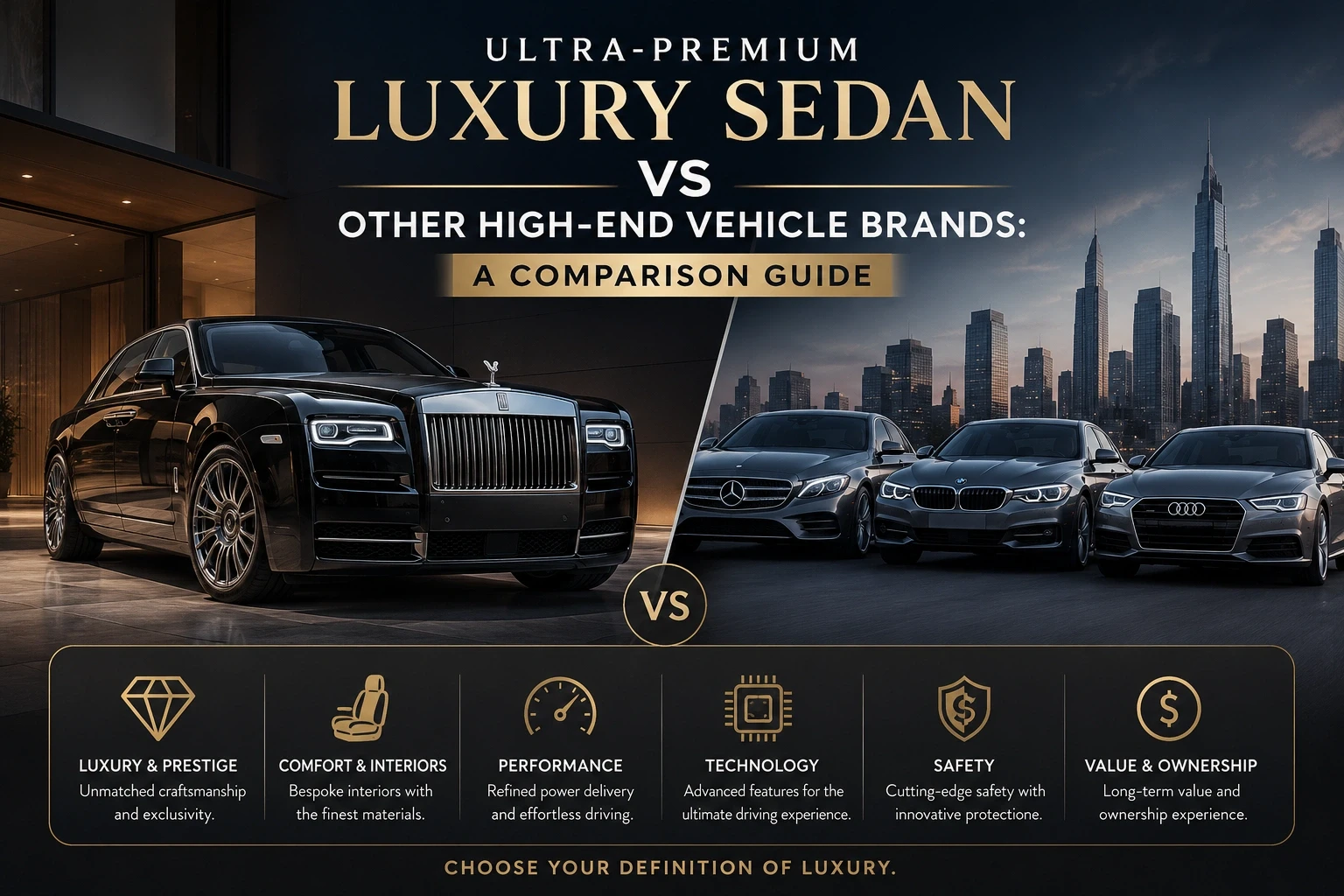
The ranking framework places ultra-luxury brands, performance marques, and premium manufacturers on the same spectrum while recognizing that each serves a different definition of luxury.
Ultra-luxury marques and bespoke automotive leaders
Ultra-luxury car makers operate at the highest end of personalization and exclusivity. Their appeal often comes from a combination of handcrafted interior work, individualized specifications, limited production approaches, and a strong relationship between customer and brand.
Rolls-Royce represents the traditional bespoke model, with vehicles such as the Phantom and Cullinan associated with extensive personalization. Mercedes-Maybach extends Mercedes-Benz into an ultra-luxury segment through models including the S-Class Maybach, GLS SUV, and EQS SUV. Bentley combines British craftsmanship traditions with performance-oriented luxury, often emphasizing handcrafted cabins and grand touring capability.
Other ultra-luxury and exotic names include Bugatti, Pagani, Koenigsegg, Rimac, and Gordon Murray Automotive. These companies often focus on rare production vehicles where engineering innovation, exclusivity, and collector appeal are central parts of the ownership proposition.
From an editorial review of luxury automotive categories, the recurring failure mode is ranking these brands only by vehicle price. The diagnostic sign is a list where a costly performance car automatically outranks a handcrafted luxury marque without explaining differences in purpose, production philosophy, or ownership experience.
Premium luxury and performance prestige manufacturers
Premium luxury manufacturers typically balance exclusivity with broader market availability. They create flagship sedan models, luxury SUVs, performance vehicles, and advanced technology platforms that serve executives, enthusiasts, and everyday luxury buyers.
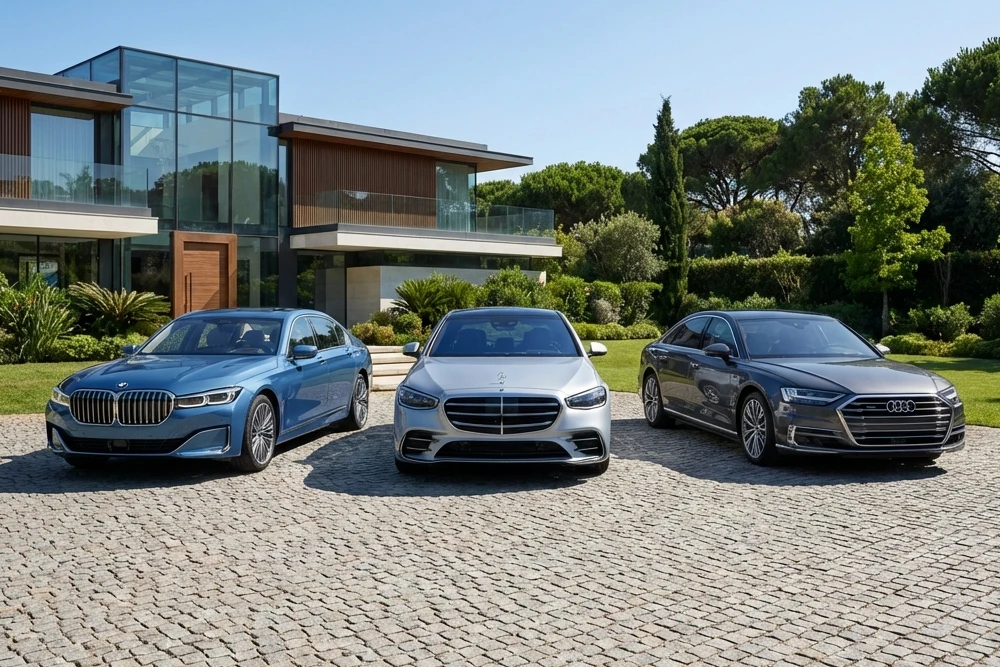
German brands including BMW, Audi, Porsche, and Mercedes-Benz are major examples. BMW is associated with driver-focused luxury and performance engineering, Porsche combines sports-car heritage with everyday usability, and Audi emphasizes design, technology, and premium interiors.
Italian manufacturers such as Ferrari, Lamborghini, and Maserati approach luxury through performance identity. Their appeal often centers on exotic supercar design, racing heritage, emotional connection, and limited production models rather than traditional executive comfort alone.
A practical distinction is the buyer expectation. A premium luxury customer may prioritize comfort, technology, and usability, while an exotic performance customer may prioritize driving character, rarity, and brand symbolism.
Complete directory of the 100 leading luxury car brands
The following directory organizes luxury manufacturers by automotive identity rather than claiming an absolute industry ranking. Some brands compete globally, while others occupy specialized niches built around craftsmanship, performance, heritage, or emerging technology.
Heritage brands with century-long automotive influence
Heritage remains one of the strongest signals in luxury because it creates recognizable design language, engineering traditions, and customer expectations. However, heritage alone does not guarantee current relevance; established marques must continue adapting through technology, electrification, and changing ownership preferences.
Heritage luxury brand examples
| Brand | Region | Luxury category | Positioning summary |
|---|---|---|---|
| Rolls-Royce | United Kingdom | Ultra-luxury | Bespoke craftsmanship and flagship luxury |
| Bentley | United Kingdom | Ultra-luxury grand touring | Handcrafted interiors and performance luxury |
| Mercedes-Benz | Germany | Premium luxury | Executive vehicles, technology, and broad luxury range |
| BMW | Germany | Premium performance luxury | Driver-focused engineering and luxury vehicles |
| Porsche | Germany | Performance luxury | Sports-car heritage with daily usability |
| Audi | Germany | Premium luxury | Technology-focused premium vehicles |
| Aston Martin | United Kingdom | Prestige sports luxury | British grand touring identity |
| Ferrari | Italy | Exotic performance luxury | Collector-focused sports cars and racing heritage |
| Lamborghini | Italy | Exotic performance luxury | Dramatic design and supercar identity |
| Maserati | Italy | Performance luxury | Italian grand touring character |
| Lexus | Japan | Premium luxury | Refinement, reliability, and ownership focus |
| Acura | Japan | Premium luxury | Technology-focused luxury vehicles |
| Infiniti | Japan | Premium luxury | Performance-inspired premium vehicles |
| Genesis | South Korea | Emerging luxury | Modern design and premium technology |
| Cadillac | United States | Premium luxury | American luxury heritage and innovation |
| Lincoln | United States | Premium luxury | Comfort-focused American luxury |
Beyond these established names, the broader luxury landscape includes dozens of manufacturers serving specific segments. The complete directory includes performance specialists, niche coachbuilders, electric innovators, and collector-focused brands.
- Rolls-Royce
- Bentley
- Mercedes-Benz
- Mercedes-Maybach
- BMW
- Porsche
- Audi
- Ferrari
- Lamborghini
- Aston Martin
- Maserati
- Lexus
- Genesis
- Cadillac
- Lincoln
- Acura
- Infiniti
- Volvo
- Jaguar
- Land Rover
- Bugatti
- Pagani
- Koenigsegg
- Rimac
- McLaren
- Lotus
- Alfa Romeo
- Polestar
- Lucid
- NIO
- XPeng
- Mercedes-AMG
- BMW Alpina
- Bentley Mulliner
- Abarth
- DS Automobiles
- Maybach
- Lancia
- Ferrari Special Projects
- Pininfarina
- Spyker
- Morgan
- Caterham
- Zenvo
- Ginetta
- Gordon Murray Automotive
- De Tomaso
- Wiesmann
- Brabus
- Mansory
- Alpina
- Ruf
- Singer Vehicle Design
- Hennessey
- Saleen
- Karma Automotive
- Fisker
- Faraday Future
- Byton
- HiPhi
- Voyah
- Zeekr
- Hongqi
- Arcfox
- Denza
- LEVC
- Polestar Engineered
- Genesis Magma
- Cadillac V-Series
- Acura Type S
- BMW M
- Audi RS
- Porsche Exclusive Manufaktur
- Lexus F
- Aston Martin Q
- Lamborghini Ad Personam
- Ferrari Tailor Made
- McLaren Special Operations
- Rolls-Royce Coachbuild
- Bentley Mulliner Bacalar division
- Lucid Motors
- Tesla premium models
- Rivian
- Maserati Corse-focused programs
- Volvo Polestar heritage models
- Jaguar SV
- Land Rover SV
- Nissan Nismo
- Toyota Century
- Toyota Gazoo Racing premium projects
- Chevrolet Corvette premium performance line
- Ford GT heritage performance line
- Chrysler luxury heritage models
- Genesis Electrified models
- Lotus Electric performance models
- BYD Yangwang
- Xiaomi electric vehicle division
- Huawei-backed luxury EV partnerships
- Aehra
- Automobili Pininfarina
Niche exotic and collector-focused manufacturers
Collector-focused manufacturers often differ from mainstream luxury companies because scarcity, engineering uniqueness, and emotional value can outweigh practical considerations. A top exotic car manufacturer for collectors may produce vehicles in very small volumes, focus on bespoke engineering solutions, or maintain a narrow product philosophy.
Pagani and Bugatti illustrate this approach. Their vehicles emphasize advanced materials, handcrafted details, and extraordinary performance targets. Ferrari occupies a different position by combining racing heritage, road-car production, and a collector ecosystem built around limited models and special editions.
When reviewing the most expensive luxury cars ever sold, price alone can create confusion. A one-off commission, historic competition vehicle, or rare collector automobile may command extraordinary values because of provenance and scarcity rather than because it represents a typical production model.
How luxury brands differ across craftsmanship, technology, and exclusivity
Luxury categories overlap, but they are not identical. Buyers comparing brands need to understand whether a manufacturer’s strength comes from craftsmanship, performance, technology, rarity, or a combination of these factors.
Luxury category comparison
| Category | Craftsmanship | Technology | Exclusivity | Ownership focus |
|---|---|---|---|---|
| Mass premium luxury | High-quality materials with scaled production methods | Advanced comfort, safety, and connectivity features | Available through larger production volumes | Daily usability and broad luxury appeal |
| Prestige performance luxury | Specialized engineering and performance-focused craftsmanship | Driver-focused technology and high-performance systems | Lower production volumes and stronger enthusiast demand | Performance identity and emotional ownership |
| Ultra-luxury bespoke | Hand-finished interiors and extensive personalization | Selective integration of advanced features | Rare production and individualized customer experience | Exclusivity, customization, and collector value |
Traditional luxury versus ultra-luxury positioning
The difference between premium and ultra-luxury car brands is visible through several observable signals. Premium brands usually offer a wide product range, dealer networks, and repeatable manufacturing processes. Ultra-luxury brands emphasize individualization, rarity, and a deeper level of customization.
In practical luxury automotive analysis, the easy-to-miss step is separating expensive from exclusive. A vehicle with a high MSRP may still be produced through a scaled manufacturing model, while a lower-volume manufacturer may provide a more individualized ownership experience.
A useful decision rule is to examine four areas:
- Customization: Does the brand offer extensive factory personalization beyond standard options?
- Production philosophy: Is the vehicle designed around scale efficiency or individual commissions?
- Customer experience: Does ownership include specialized services, delivery experiences, or brand privileges?
- Identity: Does the marque represent a distinct lifestyle or enthusiast community?
Heritage marques versus newer luxury challengers
Heritage manufacturers benefit from decades of recognition, established design language, and collector familiarity. Newer challengers often compete by introducing different value signals, especially in electric vehicles, software integration, and innovative manufacturing approaches.
The failure mode when comparing old and new luxury brands is assuming history automatically equals future success. The observable sign is a comparison that ignores whether the brand can translate prestige into modern technology expectations.
A heritage marque may win on recognition and craftsmanship traditions, while a newer company may compete through battery technology, digital experiences, or different ownership models. The correct comparison depends on what type of luxury the buyer values.
Luxury electric brands reshaping the high-end car market
Electric vehicles are changing the definition of luxury by shifting attention from traditional engine characteristics toward software, battery technology, interior experience, and design innovation. New high-end electric car companies compete with established brands by creating different interpretations of prestige.
Electric luxury newcomers and market disruptors
Companies such as Lucid, Rimac, NIO, XPeng, and other emerging EV manufacturers represent a different path into luxury. Instead of relying on century-old heritage, many focus on technology leadership, advanced electric platforms, and digital ownership experiences.
A useful comparison is not simply gasoline versus electric. The deeper question is whether a brand can create a recognizable luxury identity through design, service, exclusivity, and customer experience.
Electric luxury brand approaches
| Brand approach | Primary recognition factor | Typical strength | Potential limitation |
|---|---|---|---|
| Heritage luxury marques | Historical influence and craftsmanship traditions | Established reputation, design language, and collector recognition | May require adaptation to changing technology expectations |
| Technology-focused luxury newcomers | Innovation and electric performance | Software features, battery technology, and new ownership experiences | Shorter history and less established brand legacy |
| Hybrid legacy innovators | Combining heritage with modernization | Existing prestige supported by new electric platforms | Need to balance tradition with future mobility demands |
Established luxury brands entering electrification
Traditional manufacturers are adapting by introducing electric versions of flagship vehicles and developing new platforms. Mercedes-Benz, Porsche, BMW, Audi, Lexus, and other established brands are using their existing design identities while adding electric technology.
The challenge is maintaining emotional appeal. Luxury buyers often purchase more than transportation; they purchase craftsmanship, identity, and connection with a marque. Electric technology adds new criteria but does not remove the importance of brand positioning.
Choosing the right luxury car brand by buyer priorities
A luxury brand decision should begin with the type of ownership experience desired rather than the highest available price tag. Collectors, executives, enthusiasts, and daily drivers often value different aspects of luxury.
Best luxury choices for collectors and enthusiasts
Collectors often prioritize rarity, heritage, limited edition opportunities, and emotional connection. Exotic supercar ownership may involve accepting trade-offs such as reduced practicality in exchange for exclusivity and brand identity.
For this group, evaluate:
- Whether the manufacturer has a recognizable collector community.
- Whether limited production strategies create meaningful rarity.
- Whether customization programs allow personal expression.
- Whether the brand’s history supports long-term enthusiast interest.
A limited edition vehicle is not automatically collectible. The stronger signal is whether rarity combines with design significance, technical importance, or cultural recognition.
Best luxury choices for everyday premium ownership
Everyday premium ownership requires a different evaluation. Comfort, reliability reputation, technology usability, service availability, and long-term ownership considerations may matter more than extreme exclusivity.
In this category, brands such as Lexus, BMW, Mercedes-Benz, Audi, Porsche, and Genesis often appeal because they combine luxury features with broader usability.
Before choosing, compare:
- Interior quality and comfort features.
- Technology interfaces and driver assistance systems.
- Maintenance expectations and ownership support.
- Whether the brand identity matches your intended use.
Use the ultra-luxury positioning checklist before treating any expensive vehicle as a true ultra-luxury choice:
- Check whether the brand offers extensive factory personalization or bespoke programs with visible customization options.
- Verify whether production rarity supports an exclusive ownership experience rather than only a higher purchase price.
- Compare customer service, delivery experience, and ownership privileges offered by the marque.
- Evaluate whether the brand identity matches collector, executive, or enthusiast priorities.
Create your own shortlist today by selecting three brands from different categories in this guide and scoring each against heritage, craftsmanship, exclusivity, technology, and ownership experience; this produces a clearer comparison than choosing based only on MSRP.
FAQ
What is the number one luxury car brand?
Rolls-Royce is often considered one of the highest examples of luxury because of its bespoke craftsmanship, personalization options, exclusivity, and collector-focused ownership experience. However, the leading brand depends on the type of luxury being measured, since premium, performance, and ultra-luxury manufacturers serve different buyer expectations.
Which luxury car brands are the most expensive?
The most expensive luxury car brands are typically associated with ultra-luxury and exotic manufacturers such as Rolls-Royce, Bugatti, Pagani, and other low-volume builders. High prices alone do not define luxury; factors such as rarity, craftsmanship, personalization, and brand identity also influence prestige.
What are the top luxury electric brands?
Luxury electric brands include established manufacturers developing electric platforms and newer technology-focused companies. Brands such as Lucid, Rimac, NIO, and XPeng represent technology-focused approaches, while Mercedes-Benz, Porsche, BMW, Audi, and Lexus are adapting existing luxury identities for electrification.
Which brands are considered ultra-luxury car makers?
Ultra-luxury car makers include brands such as Rolls-Royce, Bentley, Mercedes-Maybach, Bugatti, Pagani, Koenigsegg, Rimac, and Gordon Murray Automotive. These companies emphasize personalization, rarity, handcrafted details, advanced engineering, and highly individualized ownership experiences.