
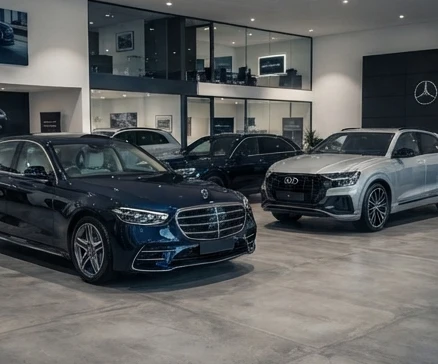
The most reliable luxury car brands in India include Lexus, Mercedes-Benz, BMW, Audi, and Volvo. Lexus is often associated with lower ownership stress due to Toyota’s reliability reputation, while German brands offer premium performance with greater maintenance planning requirements. Reliability depends on service support, maintenance history, parts availability, and model selection.
Choosing a luxury car in India is not only about features, performance, or badge value; the bigger challenge is identifying brands that can deliver dependable ownership without unpredictable repair costs. This guide compares the most reliable luxury car brands in India using reliability reputation, maintenance expectations, service support, and resale considerations.
Lexus, Mercedes-Benz, BMW, Audi, and Volvo are among the luxury brands frequently considered by Indian buyers evaluating long-term dependability. Lexus is often associated with lower ownership stress because of Toyota’s reliability reputation, while German brands such as Mercedes-Benz and BMW appeal to buyers willing to plan for higher maintenance complexity. The right choice depends on whether the priority is low-risk ownership, driving performance, premium comfort, or long-term value retention.
For buyers comparing ownership expenses across premium vehicles, the broader discussion of luxury cars with low maintenance costs in India provides additional context on service expenses, reliability-focused choices, and total ownership planning.
Most reliable luxury car brands in India ranked by ownership confidence
Luxury reliability is different from mainstream car reliability. Premium vehicles contain more advanced electronics, complex suspension systems, powerful engines, and technology features that can increase repair complexity when components age. A dependable luxury brand is therefore not only one with fewer faults but also one with strong service support, parts availability, and predictable ownership requirements.
The following comparison focuses on brand-level ownership confidence rather than guaranteeing that every model from a brand will have identical reliability. Individual model year, maintenance history, usage conditions, and previous ownership can significantly change reliability outcomes.
Luxury Brand Reliability Comparison
| Brand | Reliability strength | Maintenance expectation | Best suited buyer |
|---|---|---|---|
| Lexus | Strong reliability reputation and lower failure-risk perception | Predictable scheduled servicing focus with fewer ownership surprises | Buyers prioritizing reduced ownership stress and long-term use |
| Mercedes-Benz | Established premium ownership experience with broad market presence | Requires planned maintenance budgeting for complex premium systems | Buyers wanting luxury features with structured service support |
| BMW | Performance-focused engineering with reliability depending on upkeep discipline | Higher attention needed for specialist maintenance and repairs | Drivers valuing handling and performance alongside ownership planning |
| Audi | Premium technology strengths with reliability linked to service quality | Requires careful service history review and maintenance planning | Buyers seeking technology-focused luxury ownership |
| Volvo | Safety-focused engineering reputation with comfort-oriented ownership appeal | Requires evaluation of parts access and regional service coverage | Buyers prioritizing safety, comfort, and family use |
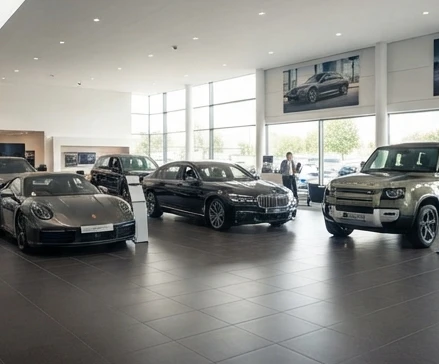
Lexus reliability reputation in India
Lexus is frequently shortlisted by buyers searching for the best luxury cars in India for reliability because the brand benefits from Toyota’s reputation for durable engineering. Its hybrid technology, including systems related to models such as the Lexus ES hybrid range, is often attractive to owners who want smooth performance with a lower mechanical-stress approach.
The main advantage is ownership predictability. Buyers planning to keep a vehicle for many years often value fewer unexpected repair events more than maximum horsepower or aggressive driving characteristics.
However, Lexus ownership in India requires checking local service access. A buyer in a city with limited Lexus support should evaluate service logistics before purchase because reliability does not remove the need for proper maintenance.
Mercedes-Benz ownership dependability
Mercedes-Benz remains one of the strongest premium brands in the Indian market because of its established dealer network, model availability, and after-sales presence. Its reliability profile depends heavily on maintenance discipline because modern luxury systems include advanced electronics, sensors, and comfort equipment.
For long-term ownership, a Mercedes-Benz buyer should focus on complete service records, warranty coverage, and the condition of expensive components such as air suspension systems or electronic modules where equipped.
BMW long-term reliability profile
BMW attracts buyers who prioritize driving dynamics, but long-term dependability requires careful ownership planning. Engine technology, performance systems, and premium interiors can increase the importance of preventive servicing.
A BMW can be a suitable choice for an owner who values driving enjoyment and is prepared to maintain the vehicle according to manufacturer schedules. Buyers looking for the least problematic luxury cars in India should examine specific models, service history, and ownership records instead of judging the brand alone.
Audi premium ownership considerations
Audi offers strong technology, interior quality, and all-weather capability through models equipped with systems such as quattro all-wheel drive. Reliability perception varies by model generation and maintenance history.
For used Audi purchases, service documentation is especially important. A vehicle with consistent maintenance may represent better value than a lower-priced example with unclear ownership history.
Volvo safety and durability strengths
Volvo is often considered by buyers who place safety and comfort above sporty driving characteristics. Its ownership appeal comes from safety-focused engineering, comfortable interiors, and premium SUV options.
Models such as the Volvo XC90 and XC60 appeal to families seeking premium SUVs with a safety-focused ownership approach. Buyers should still evaluate parts availability and service coverage in their region before purchase.
Factors that determine luxury car reliability in India
Brand reputation is only one part of luxury ownership. Indian conditions introduce additional considerations, including traffic density, road quality, climate variation, and differences in service availability between metropolitan areas and smaller cities.
A reliable luxury vehicle is usually the result of matching the brand, model, location, and ownership plan together.
Service network reach across cities
Service availability can change the ownership experience significantly. A vehicle that is reliable mechanically may still become inconvenient if specialized repairs require long-distance transport or extended waiting periods.
Before buying, check whether authorized service facilities are available within practical driving distance. Also evaluate whether independent workshops have access to diagnostic equipment and genuine replacement components.
Spare parts availability and pricing
Luxury vehicles often have higher parts costs because components are more specialized. A buyer should investigate common replacement items before purchase, including brake components, tires, batteries, sensors, and suspension parts.
A safer evaluation method is to compare parts availability for the exact model year being considered rather than relying only on the brand name.
After-sales support quality
After-sales support includes service communication, repair transparency, warranty handling, and availability of technical assistance. These factors become more important as vehicles age beyond their initial ownership period.
In practical luxury ownership decisions, the easy-to-miss step is checking how the brand supports vehicles after warranty coverage ends, because long-term ownership stress often appears after the first few years.
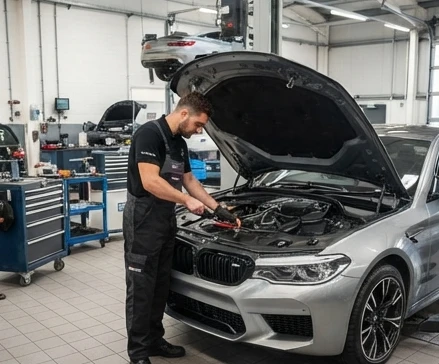
Warranty coverage after purchase
Warranty coverage can reduce financial uncertainty but does not eliminate ownership costs. Buyers should review what components are covered, the duration of coverage, exclusions, and whether extended warranty packages are available.
A warranty is most valuable when it protects expensive electronic or mechanical systems that would otherwise create large unexpected expenses.
Indian climate and road condition impact
Heat, dust, monsoon conditions, and uneven road surfaces can affect luxury vehicles differently. Features such as advanced suspension systems, electronics, and turbocharged engines require proper servicing to maintain reliability.
Observable warning signs include unusual suspension noises, warning lights on the dashboard, delayed electronic responses, or inconsistent climate-control performance. These signals should be investigated before they become expensive failures.
Brand comparison for long-term luxury ownership
Different luxury brands solve different ownership priorities. Some emphasize lower repair risk, while others focus on performance, technology, or driving engagement.
Lexus versus German brands for reliability
Lexus is often the reference point for buyers who want a luxury vehicle with a reliability-first ownership philosophy. German brands can provide stronger performance appeal but may require more detailed maintenance planning because of greater system complexity.
The decision is not whether one region produces better cars; it is whether the vehicle matches the buyer’s willingness to manage maintenance complexity.
A buyer comparing Lexus with Mercedes-Benz, BMW, or Audi should evaluate:
- Expected ownership duration: keeping a vehicle for more than five years increases the importance of repair predictability.
- Service access: local support can matter as much as global reliability reputation.
- Driving priorities: comfort-focused buyers may value low stress, while enthusiasts may accept higher maintenance planning.
BMW and Mercedes-Benz reliability in Indian conditions
BMW and Mercedes-Benz represent two common paths in the premium segment. BMW is often chosen for driving involvement, while Mercedes-Benz typically attracts buyers seeking comfort, brand familiarity, and broad market support.
Neither brand should be judged only by reputation. A well-maintained vehicle with complete records can outperform expectations, while a neglected vehicle from any premium brand can create significant costs.
Volvo and Audi ownership dependability factors
Volvo’s reliability discussion often centers around safety engineering and comfortable SUV ownership. Audi ownership depends strongly on service quality, maintenance history, and model selection.
For both brands, buyers should review previous service records and confirm that replacement parts and technical support are available where the vehicle will be used.
Five-to-ten-year ownership costs across luxury brands
Purchase price is only the first ownership expense. For a luxury vehicle kept for five to ten years, buyers should consider scheduled servicing, repairs, tires, insurance, warranty decisions, and depreciation.
Exact maintenance totals vary by model, mileage, driving conditions, and service provider. The following framework helps compare cost patterns without assuming every owner will spend the same amount.
Luxury Brand Ownership Cost Factors
| Brand | Maintenance pattern | Warranty support | Ownership cost factor |
|---|---|---|---|
| Lexus | Emphasis on scheduled maintenance and reliability-focused ownership | Warranty and service plans can reduce unexpected expense exposure | Lower repair-risk planning may improve cost predictability |
| Mercedes-Benz | Regular servicing is important for complex luxury systems | Extended coverage options can help manage post-warranty risk | Ownership budget should include premium component costs |
| BMW | Performance components require disciplined servicing | Warranty extensions can reduce uncertainty after initial coverage | Driving-focused ownership may require higher maintenance planning |
| Audi | Technology systems require consistent service attention | Coverage plans can help protect against unexpected repairs | Service quality and parts access influence total ownership burden |
Maintenance cost patterns after warranty ends
After warranty coverage expires, ownership risk usually depends on three areas: vehicle age, component complexity, and service history.
A practical budgeting method is to create three expense categories:
- Routine costs: scheduled servicing, fluids, filters, and wear items.
- Predictable replacements: tires, batteries, brakes, and similar components based on usage.
- Risk reserve: savings for unexpected electronic or mechanical repairs.
For example, a buyer planning ten years of ownership should not only ask about annual servicing. They should also ask which high-value components could require replacement during that period and whether the model has a strong repair ecosystem.
Extended warranty and service plans impact
Extended warranty packages can be useful for buyers who want lower uncertainty after the standard warranty period. Their value depends on coverage terms, exclusions, and the cost of the plan compared with likely repair exposure.
Check whether coverage includes major electronic modules, drivetrain components, and other expensive systems. A low-cost warranty with many exclusions may provide less protection than expected.
Resale value and depreciation among dependable luxury brands
Reliability affects resale value because used-car buyers often pay more for vehicles with clear maintenance records, strong service support, and fewer ownership concerns.
A dependable luxury brand does not automatically guarantee low depreciation. Demand, model popularity, running costs, and availability of replacement parts all influence used-market pricing.
Luxury Brand Resale Factors
| Brand | Resale expectation | Depreciation risk | Used-market demand |
|---|---|---|---|
| Lexus | Can benefit from reliability reputation among used-car buyers | Risk depends on model demand and service history | Demand is supported by buyers seeking dependable premium cars |
| Mercedes-Benz | Strong recognition can support used-market interest | Depreciation varies by model, condition, and ownership record | Large premium-car buyer base supports resale opportunities |
| BMW | Performance appeal can attract specific used-car buyers | Higher concern about maintenance history can affect pricing | Demand is stronger when service records are complete |
| Audi | Resale depends heavily on model popularity and condition | Technology-related concerns can influence depreciation perception | Used buyers often evaluate service availability before purchase |
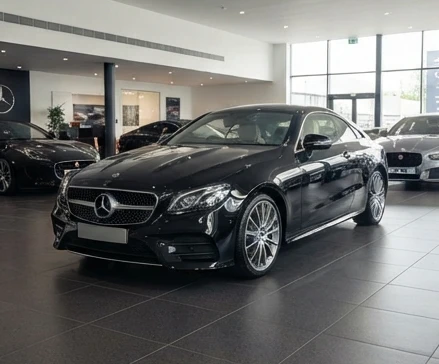
Brands with stronger used-car market demand
Used luxury buyers often prioritize three signals: complete service records, reasonable repair access, and confidence that the vehicle has not been neglected.
A brand with strong recognition may help resale, but the individual vehicle condition usually determines final value. Mileage, accident history, ownership count, and maintenance documentation can outweigh badge reputation.
A closer look at reliable luxury car brands can help buyers compare broader global reliability patterns beyond the Indian market context.
How resale changes true ownership cost
The real cost of ownership is affected by depreciation, not just maintenance. A vehicle that loses less value may cost less overall even if its servicing expenses are not the lowest.
A simple comparison method is:
Purchase price − resale value + maintenance and repair expenses = estimated ownership burden.
For example, two luxury cars purchased at similar prices may have different five-year outcomes if one retains stronger used-market demand or attracts more buyers because of reliability reputation.
Most dependable luxury SUV choices for Indian buyers
Luxury SUVs are popular in India because they combine road presence, practicality, and comfort. However, SUV buyers should pay close attention to durability, service access, and operating conditions.
Reliable luxury SUVs with lower ownership stress
Models such as the Lexus SUV lineup, Volvo SUVs, Mercedes-Benz SUVs, and selected BMW SUVs can appeal to different priorities. The most dependable luxury SUV models available depend on the buyer’s location, expected usage, and willingness to manage maintenance.
A family buyer who values predictable ownership may prioritize reliability-focused brands. A performance-oriented buyer may accept more complex systems in exchange for stronger driving characteristics.
Luxury SUV reliability checks before buying
Before purchasing a luxury SUV, inspect:
- Service history completeness, including scheduled maintenance records.
- Suspension condition, especially for vehicles with advanced air suspension systems.
- Electronic features, including cameras, sensors, and infotainment functions.
- Tire condition because premium SUV tires can represent a significant replacement expense.
- Previous usage patterns, such as heavy urban traffic or frequent rough-road driving.
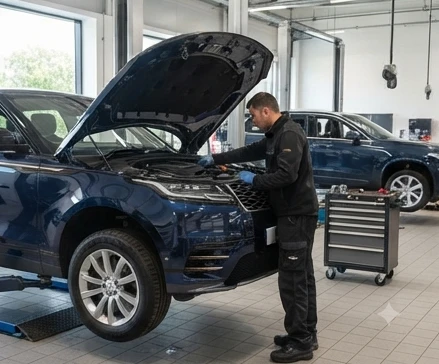
Common warning signs include uneven ride height, repeated dashboard warnings, unusual noises over bumps, and missing service documentation.
Choosing the right reliable luxury brand for your priorities
There is no single universal winner because reliability means different things to different buyers. A low-stress owner may value predictable maintenance, while an enthusiast may prioritize performance and accept higher running complexity.
Luxury Brand Selection Guide
| If | Then |
|---|---|
| The buyer wants the lowest possible ownership stress and predictable long-term use | Prioritize brands with strong reliability history, dependable service support, and easier maintenance planning. |
| The buyer values driving performance and accepts more maintenance planning | Consider performance-oriented brands while budgeting for specialist servicing and repair risks. |
| The buyer is selecting a used luxury vehicle for value retention | Evaluate service records, spare-parts access, local support, and used-market demand before choosing a brand. |
Use this checklist before finalizing a luxury purchase:
- Check the brand’s reliability history across similar models and ownership periods.
- Verify service network confidence in the cities where the vehicle will be maintained.
- Review spare-parts availability and potential repair complexity before purchase.
- Compare hybrid or efficient powertrain options when lower running stress is a priority.
- Define the expected ownership duration before selecting a luxury brand.
The best brand choice usually comes from matching ownership expectations with vehicle characteristics rather than selecting the most prestigious badge.
Create a shortlist of three luxury brands and compare their nearest authorized service locations, available warranty options, and resale demand in your city; this will reveal which brand creates the lowest ownership risk for your actual situation.
FAQ
Which luxury car brand has the lowest maintenance cost in India?
Lexus is often considered a strong choice for buyers seeking lower ownership stress because of its reliability reputation and focus on predictable maintenance. However, actual costs depend on the model, service availability, driving conditions, and ownership history.
Are luxury cars reliable for long-term ownership in India?
Luxury cars can be reliable for long-term ownership when buyers choose suitable models, maintain them properly, and have access to dependable service support. Service records, warranty coverage, spare-parts availability, and preventive maintenance play important roles in reducing ownership risks.
Which luxury car brand is safest in India?
Volvo is often considered by buyers who prioritize safety because of its safety-focused engineering reputation and comfortable premium vehicles. Buyers should still evaluate specific models, service coverage, and ownership requirements before making a decision.
What is India’s most reliable car brand overall?
Reliability rankings vary by vehicle category and ownership requirements. For luxury buyers, Lexus is frequently associated with dependable ownership, while Toyota is widely recognized for reliability across broader vehicle segments. The best choice depends on the model, maintenance plan, and ownership situation.