
The Julius Baer Global Wealth and Lifestyle Report for 2025 provides a critical snapshot of a world in transition. This year’s findings arrived just as the global economy braced for significant shifts, including new trade tariffs and persistent geopolitical tensions. Despite these headwinds, the pursuit of “living well” remains a primary driver for the world’s affluent.
By analyzing a basket of goods and services representative of a high-net-worth (HNW) lifestyle across 25 global cities, the Julius Baer Lifestyle Index highlights the shifting costs of luxury. Complemented by a survey of the habits and attitudes of high-net-worth individuals, the report reveals which urban centers are successfully attracting the hyper-mobile global elite and which are losing their luster.
1. Singapore: The Unshakable Leader
For the third consecutive year, Singapore reigns as the most expensive city in the world for living well. Despite its small geographic footprint—less than half the size of London—the “Lion City” continues to attract the global elite through its peerless safety, political stability, and world-class infrastructure.
While population growth is driven largely by non-residents participating in the Global Investor Programme, the high cost of entry has done little to deter HNWIs. Singapore remains the gold standard for a secure and high-quality urban lifestyle, cementing its position at the top of the index.
2. London: The Resilient Capital
Returning to the second-place spot it last held in 2022, London has leapfrogged its competitors. Long prized for its cosmopolitan flair and global connectivity, the city remains a magnet for wealth. However, the report notes that recent legislative changes—specifically the abolition of non-domiciled status and shifts in inheritance tax—have created a sense of unease among some residents. To maintain its podium position, London must continue to leverage its reputation as a premier business hub while navigating these domestic policy shifts.
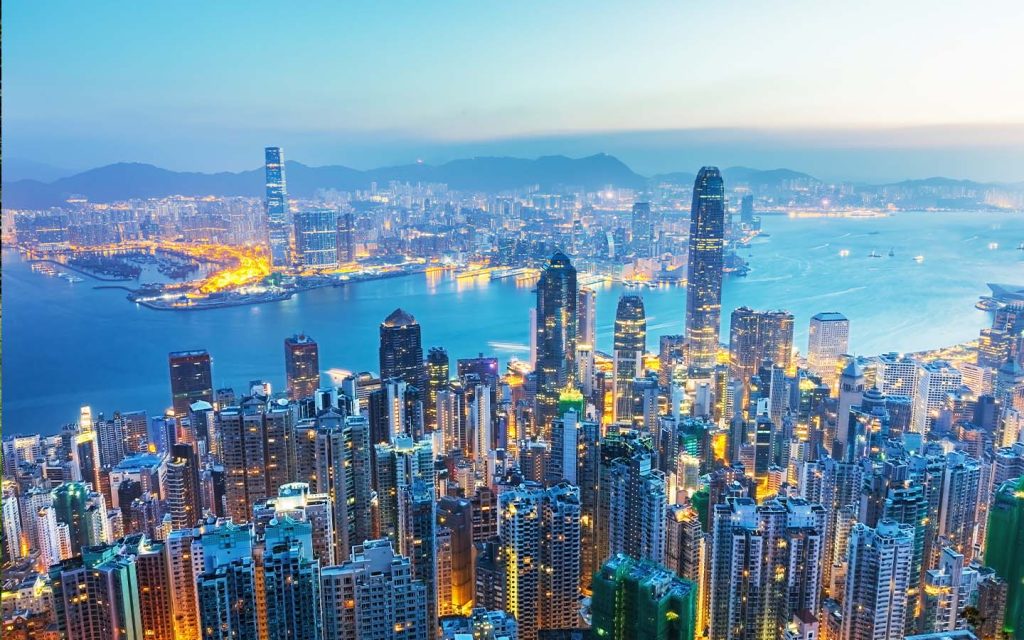
3. Hong Kong: The Gateway to Asia
Hong Kong slipped one position this year but remains a titan of wealth management. The city continues to see a surge in family offices, spurred by attractive tax incentives and a robust investment environment. Following a slower post-pandemic recovery, Hong Kong is now experiencing strong economic growth driven by tourism and exports. Its proximity to rapidly developing East Asian economies ensures its status as an indispensable international financial hub.
4. Monaco: The Bastion of Glamour
The Principality of Monaco remains the ultimate symbol of luxury. With no income tax since the 1860s, it offers a unique sanctuary for the rich and famous. While its tiny territory limits real estate supply—driving prices to some of the highest levels globally—Monaco’s reputation for Riviera glamour and safety keeps it firmly in the top tier of the lifestyle index.
5. Zurich: Stability and Quality
Zurich has climbed to fifth place, characterized by its trademark stability. Aside from global fluctuations in technology and aviation costs, price changes in Switzerland’s largest city have remained relatively low. Zurich attracts affluent expatriates with its blend of low taxation, exceptional connectivity, and top-tier education. While the real estate market remains tightly supplied and expensive, the overall quality of life continues to draw those seeking an understated yet high-end lifestyle.
6. Shanghai: A Shift Toward Modesty
Once at the top of the rankings, Shanghai has seen a steady decline in its position over the last three years. While it remains the most expensive city globally for fine dining, a cultural shift toward “modest mindsets” and a discouragement of ostentatious extravagance across China has impacted its ranking. Wealthy individuals seeking a more glitzy lifestyle are increasingly looking toward Hong Kong or emerging hubs like Bangkok.
7. Dubai: The Rising “Gulf Tiger”
After briefly falling out of the top ten, Dubai has made a powerful comeback to seventh place. The city is aggressively competing for the global elite through attractive residency schemes and zero personal income tax. By combining a cosmopolitan beachside lifestyle with ambitious business growth plans, Dubai has established itself as a formidable challenger to more traditional Western wealth centers.
8. New York: The Cost of the Big Apple
New York City continued its downward trend in the rankings this year, despite seeing the highest year-on-year price increases among North American cities. While the strength of the US dollar makes many luxury goods relatively affordable, the city boasts the world’s highest costs for hotel suites. Recent political and social turmoil has reportedly led some wealthy locals to explore international residency options, including moves to the UK.
9. Paris: The Olympic Influence
Boosted by its role as host of the 2024 Olympic Games, Paris has seen a significant spike in hospitality costs, with hotel suite prices rising by a staggering 84%. While it remains one of the most expensive cities in the EMEA region, certain luxuries like Champagne and private education remain relatively affordable compared to other global hubs. Paris remains a consistent fixture in the top ten, missing the mark only once in the last five years.
10. Milan: The New Destination for Wealth
Closing out the top ten is Milan, a city rapidly ascending the ranks. As the fashion and financial heart of Italy, Milan has benefited significantly from the exodus of wealth from the UK, thanks to its proactive HNW residency schemes and favorable tax policies. With static or falling prices for locally produced luxury goods and affordable business-class travel, Milan offers a compelling “la dolce vita” that is increasingly attractive to the global elite.
References
- Julius Baer. (2025). Global Wealth and Lifestyle Report 2025. Zurich, Switzerland: Bank Julius Baer & Co. Ltd.
- Lifestyle Index Data. (2024-2025). Comparative Urban Cost Analysis for HNWIs.