
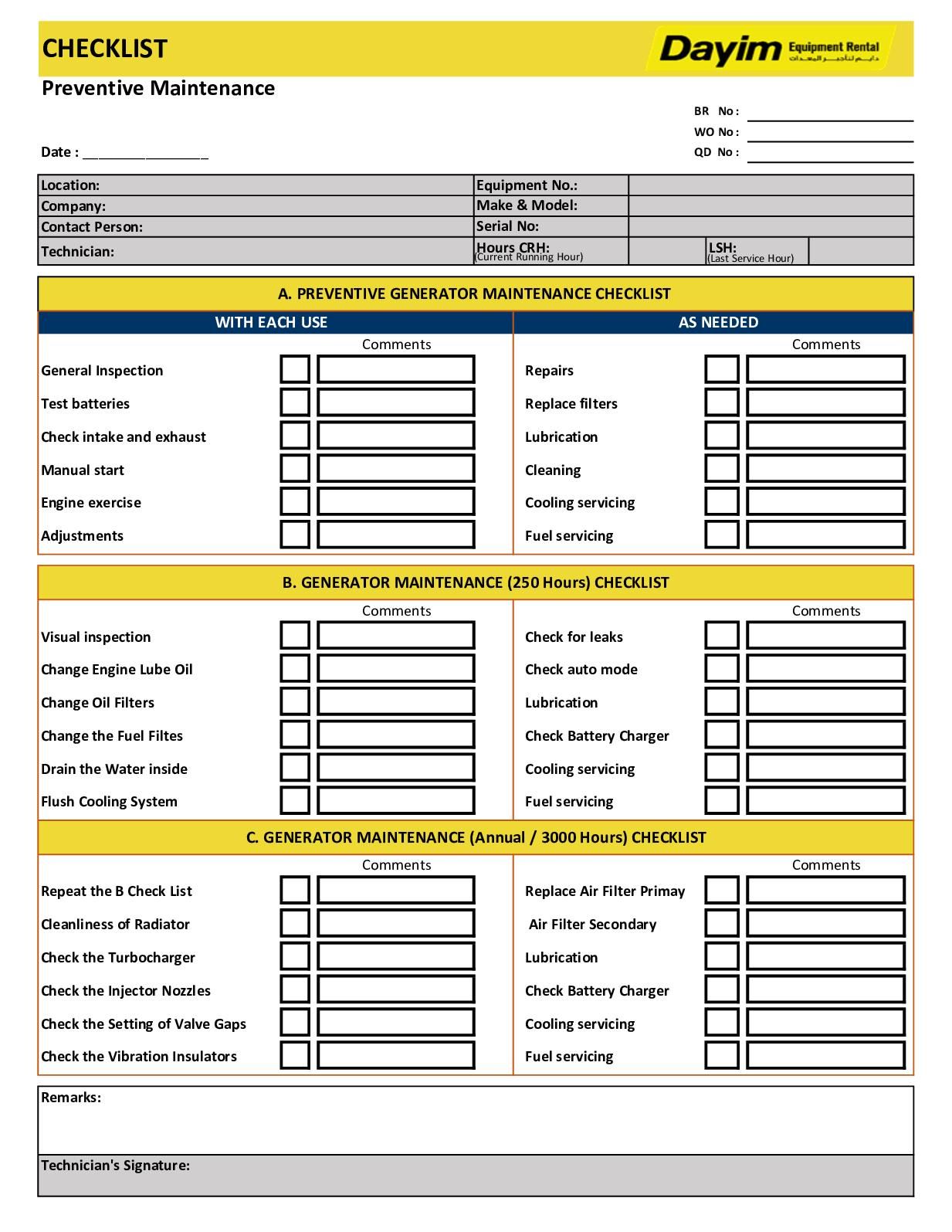
Without a structured approach to maintenance, unplanned downtime for heavy-duty trucks becomes a ticking time bomb. Industry research consistently shows that average repair costs skyrocket when fleet managers rely on reactive repairs rather than planned corrective actions.
A comprehensive heavy duty truck preventive maintenance checklist is the backbone of any successful fleet operation. It organizes inspection tasks, safety protocols, and documentation into a repeatable system that not only reduces breakdowns but also ensures strict FMCSA compliance and extends the lifespan of your high-value assets.
Heavy Duty Truck Maintenance: Essential Facts
- Cost Reduction: Fleet operators who implement systematic preventive maintenance programs see significant savings by identifying component failures early.
- Regulatory Mandates: FMCSA regulations (49 CFR Part 396) require all commercial motor vehicles to undergo systematic inspection and maintenance, with records kept for at least one year.
- Digital Precision: Utilizing Mobile CMMS platforms eliminates the errors associated with paper-based systems, offering real-time visibility into your fleet’s health.
- Integrated Solutions: Platforms like osapiens HUB for Maintenance offer seamless SAP PM integration, allowing for automated work order generation and mobile checklist execution at scale.
Why a Preventive Maintenance Checklist is Critical
Reactive maintenance is synonymous with operational chaos: expensive emergency repairs, idle drivers, and missed delivery windows. A structured checklist shifts your strategy from firefighting to predictable, high-quality interventions.
- Reliable Consistency: Checklists ensure every vehicle receives the same level of scrutiny, regardless of which technician is on the shift.
- Risk Mitigation: Identifying a worn brake pad or low tread during a scheduled check prevents DOT violations and dangerous roadside failures.
- Audit Readiness: FMCSA audits demand proof of systematic repair. A digital checklist provides an immutable audit trail of compliance.
- Technician Empowerment: Clear inspection criteria and measurement specifications reduce guesswork for junior technicians, improving overall service quality.
- Data-Driven Standardization: Consistent data collection allows for trend analysis, helping you refine maintenance intervals based on actual performance.
Learn how preventive maintenance strategies can transform your fleet’s uptime.
What to Include in Your Heavy Duty Truck Maintenance Checklist
To be effective, a checklist should be organized by system and component. While specific intervals depend on manufacturer guidelines and duty cycles, the following table outlines the essential categories for heavy-duty configurations.
| Component / System | Inspection & Maintenance Tasks | Primary Purpose |
|---|---|---|
| Engine & Powertrain | Check oil/coolant levels, inspect air filters, verify belt tension, check for fuel leaks. | Prevent engine failure and maintain fuel efficiency. |
| Transmission | Check fluid levels, inspect U-joints and driveshaft alignment, lubricate grease fittings. | Prevent gear slippage and reduce drivetrain wear. |
| Brake System | Measure pad thickness, check for air leaks, verify brake adjustments, inspect lines. | Ensure stopping power and meet DOT safety standards. |
| Tires & Wheels | Verify PSI, measure tread depth, check lug nut torque, inspect wheel bearings. | Prevent blowouts and improve vehicle stability. |
| Cooling System | Inspect hoses for cracks, test thermostat, check radiator for blockages/leaks. | Avoid overheating and catastrophic engine damage. |
| Electrical System | Test battery/alternator, clean terminals, check all exterior lights and signals. | Ensure reliable starts and maintain road visibility. |
| Steering & Suspension | Check steering play, inspect tie rods/ball joints, verify shock absorber condition. | Maintain vehicle control and driver safety. |
| Safety Compliance | Test emergency equipment, verify fire extinguisher, inspect seat belts and mirrors. | Maintain FMCSA audit readiness and driver protection. |
Explore how digital work orders streamline your maintenance workflow.
Common Problems Prevented by Structured Inspections
Regularly utilizing a heavy duty truck preventive maintenance checklist helps catch issues before they escalate into “out-of-service” events:
- Brake Failures: Routine air system checks prevent the sudden loss of braking power.
- Tire Blowouts: Monitoring tread depth and pressure prevents high-speed emergencies.
- Engine Overheating: Simple hose and coolant checks save thousands in engine replacement costs.
- Transmission Issues: Early leak detection prevents a total transmission failure, which can cost between $3,000 and $7,000 to repair.
- Compliance Gaps: Systematic documentation ensures you never fail a DOT inspection due to missing records.
Discover how asset maintenance software can predict failure patterns.
Transitioning to Digital: The osapiens HUB Advantage
Paper checklists and Excel sheets create “media breaks”—gaps where information is lost or delayed. osapiens HUB for Maintenance bridges these gaps by putting digital tools directly into the hands of your technicians.
| Traditional Checklists (Paper/Excel) | osapiens HUB Digital Checklists |
|---|---|
| Manual reminders; easy to miss. | Automated triggers based on mileage or hours. |
| Illegible handwriting and lost forms. | Photo capture and timestamped digital entries. |
| No access to history in the field. | Instant access to vehicle service history. |
| Delayed data entry (days/weeks). | Real-time synchronization with enterprise systems. |
| Prone to transcription errors. | Direct digital capture for 100% accuracy. |
The platform’s offline functionality ensures that even in remote areas or deep within service bays, your technicians can complete their work without interruption.
Maximize Your Fleet’s Uptime Today
Stop letting missed inspections drain your revenue. Digitize your checklists and integrate your maintenance directly with SAP PM.
Frequently Asked Questions
What are the “must-have” items for a heavy-duty truck checklist?
At a minimum, you must include the engine, drivetrain, brake system (air and mechanical), tires, steering, and all safety/emergency equipment. Customization based on your specific truck make and model is highly recommended.
How often should these inspections occur?
Frequency is determined by your duty cycle. While daily pre-trip inspections are required by 49 CFR 396.13, more intensive services typically occur at 15,000-mile (short cycle) and 30,000-mile (intermediate) intervals.
Can I customize digital maintenance templates?
Yes. Customization is vital because a line-haul truck has different needs than a construction vehicle. Digital platforms like osapiens HUB allow you to tailor checklists to specific equipment and historical failure data.
Why is CMMS better than a PDF template?
A CMMS does more than just record data; it automates the process. It tracks mileage, sends alerts when service is due, and provides a searchable history that is invaluable during a safety audit.
Learn more about maintenance audit checklists to ensure your fleet remains fully compliant.