Going for a walk is often the highlight of your dog’s day, but pulling on the lead can make it stressful for both of you. Teaching your dog to walk calmly beside you ensures safer, more enjoyable strolls and strengthens your bond. This guide focuses on effective strategies for lead training that are both humane and reliable.
Choosing Comfortable Equipment
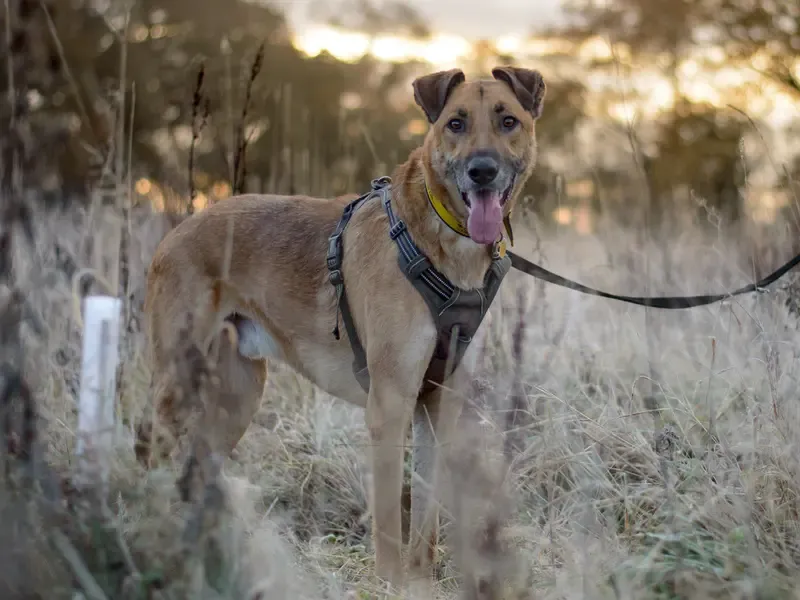
The right equipment is essential for successful lead training. Avoid devices that cause discomfort or pain, such as choke chains or prong collars, which can confuse your dog and create negative associations. Instead, opt for a flat harness or collar that fits comfortably. Introduce it gradually and positively to ensure your dog feels safe.
Learn more about harness training
Rewarding Your Dog for Staying Close
Positive reinforcement is key to teaching your dog to walk politely. Start training in a quiet space, like your home or garden, where distractions are minimal. Reward your dog with treats or praise whenever they sit or stand by your side. This approach helps them understand that staying close to you is rewarding.
Explore positive reinforcement techniques
Practicing Off-Lead
Before attaching the lead, practice walking beside your dog in a controlled environment. Use a favorite toy or treat to encourage them to remain at your side. Gradually introduce the lead once your dog reliably follows your movements. Consistent praise during these exercises reinforces the desired behavior.
Gradually Introducing Movement and Distractions
Start moving slowly with your dog by your side, rewarding them for maintaining position. Increase the duration and distance of walks incrementally, and occasionally change direction to keep your dog attentive. Gradually introduce mild distractions while ensuring the pace matches your dog’s comfort level. Initially, frequent treats may be needed, tapering off as your dog improves.
Maintaining Consistency
Consistency is crucial for effective training. Stick to the same routines during each walk, understanding that walks may take longer during the learning phase. Consistent practice leads to calmer, more controlled walks, rewarding both you and your dog with a peaceful experience.
Handling Lead Pulling
Teach your dog that pulling does not advance the walk. When the lead tightens, stop walking immediately and stand quietly until the lead slackens. Avoid jerking the lead or scolding; instead, calmly resume walking when your dog returns to the correct position. If necessary, step in the opposite direction to regain their focus.
Adapting When Consistency Is Challenging
If maintaining consistent training is difficult, consider using two harnesses: one for casual walks allowing some pulling and another for training sessions. This helps your dog distinguish between relaxed walks and structured practice. While this method may extend the learning period, it supports long-term success.
Getting Professional Support
Sometimes, professional guidance is beneficial, especially for challenging behaviors. Experienced trainers can provide personalized advice, tailored training sessions, and ongoing support to ensure you and your dog enjoy safe and calm walks together.
Call our behaviour team on 0303 003 6666 or get in touch online.
By following these steps, you can teach your dog to walk calmly on a lead, making walks safer and more enjoyable. Remember, patience and consistent reinforcement are the keys to long-term success. With dedication, your dog will learn that staying close to you is rewarding, transforming each walk into a happy, stress-free experience.