
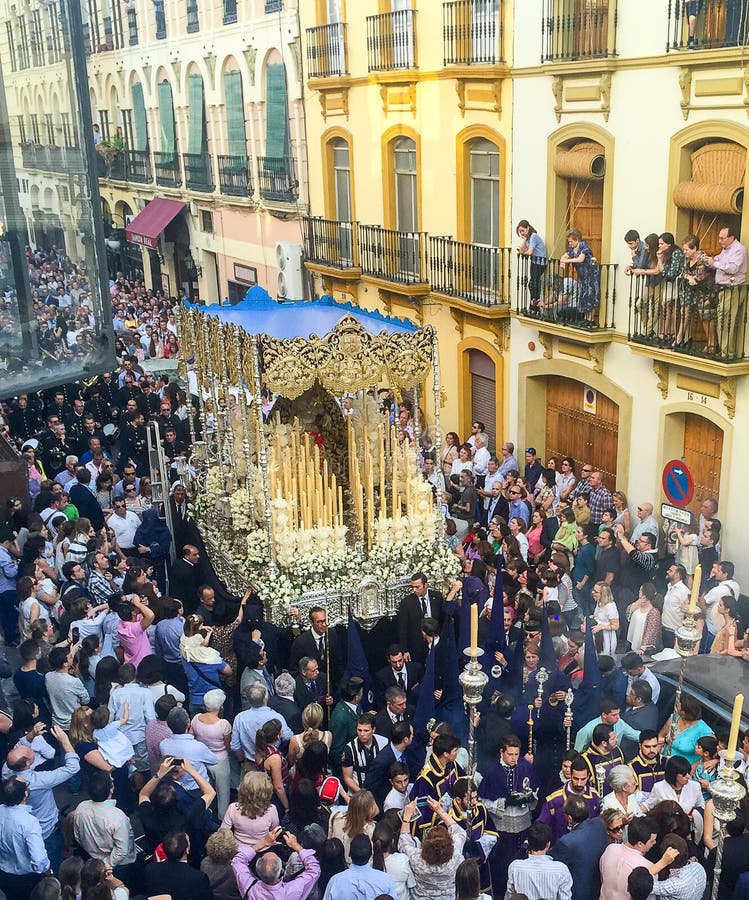
Seville during Holy Week offers an indescribable experience, a journey into the heart of Spain’s deeply rooted traditions. While not religious myself, witnessing the Semana Santa processions in Andalucia is an incredibly powerful and moving event that should not be missed. The dedication and profound synergy displayed by participants create a unique atmosphere of solemnity and devotion.
Throughout the week, various brotherhoods, known as “cofradías,” conduct processions. Young and old alike participate, carrying religious sculptures on floats called “pasos,” which depict scenes from the Bible. Some processions involve giving away candies or religious cards, a tradition often carried out by children, highlighting the intergenerational commitment to these customs. It is truly amazing to observe how deeply ingrained these traditions are, with Spanish families participating from a young age and continuing this legacy.
During my visit, I was fortunate to capture a part of a procession from a balcony. Witnessing the “pasos” navigate the streets, even making a turn at the end of a block, was a profound visual. The powerful synergy of the orchestra marching alongside the brotherhood amplified the emotional impact of the event. For those seeking to understand the depth of this cultural phenomenon, this short video offers a glimpse into the powerful orchestra and marching brotherhood.
Beyond the solemn processions, Seville offers a vibrant culinary scene, charming rooftop terraces, and unique shopping experiences. However, for avid shoppers, it’s important to note that many stores may close during the festival week. This guide also shares some of my favorite foodie destinations, places to enjoy a drink with a view, and spots for sightseeing and shopping that add another layer to the Seville experience. Exploring the local boutiques, for instance, can be a delightful alternative to larger department stores, especially when seeking unique artisan crafts.
The Spectacle of the Nazarenos and Pasos
A striking element of the processions is the presence of the “Nazarenos,” individuals clad in robes and distinctive pointed hats called “capirotes.” Historically, these costumes symbolized penance, with the capirote believed to have originated during the Spanish Inquisition (1478–1834) as a form of public humiliation for sinners seeking absolution.
Today, the Nazarenos continue to wear the capirotes as a representation of penitence, though their role has evolved into a more majestic display. The brotherhoods proudly guide the “pasos” towards their respective churches or cathedrals, often carrying large crosses and numerous tall candles, illuminating the path with a solemn glow.
Each procession is a test of endurance, often lasting for hours, with some commencing in the afternoon and concluding late into the night. Supporters on the sidelines provide vital water and food, underscoring the communal aspect of this deeply spiritual tradition.
A Tale of Two Cities: Malaga vs. Seville Processions
Observing the details reveals distinct differences in how the “pasos” are carried in Malaga and Seville. In Malaga, brotherhoods carry the float on their shoulders, requiring them to lift the immense weight and walk with a slight sway. In contrast, Sevillian carriers lift the “pasos” from underneath, resting the weight on their necks and proceeding with smaller, deliberate steps. A short video is available to illustrate the brotherhood’s march in Malaga.
The physical toll on the carriers is evident, with reports of bruised necks and damaged skin. The weight of the floats, exceeding 1000kg, combined with Seville’s warm temperatures, intensifies the challenge. Marching in robes and hooded coverings under the heat, which can reach around 27°C during the day, is a testament to their profound dedication.
The depth of their religious devotion is palpable. Some march barefoot, a practice believed to foster a closer connection to Jesus and to share in his suffering. While this interpretation was shared by a local and seems plausible, the exact motivations can vary.
For many, the most thrilling aspect is the accompanying orchestra. The powerful sounds of drums and trumpets create a palpable energy, enhancing the visual of the brotherhoods leading the “pasos” with grace and solemnity.
Exploring Seville: Food, Culture, and Views
Seville boasts an abundance of excellent tapas bars and restaurants, with culinary options available at nearly every turn. Among my personal favorites are:
- Az-Zait Sevilla: Offers a refined dining experience.
- El Mesón de Cervantes: Known for its traditional tapas.
- Abantal Sevilla: A Michelin-starred restaurant providing an exceptional gastronomic journey.
Rooftop Terraces
For breathtaking views of the city, several rooftop terraces offer a perfect spot to relax and enjoy the Sevillian skyline.
Charming Local Boutiques
While the grand Spanish department store, El Corte Inglés, offers extensive shopping, exploring Seville’s smaller, local boutiques can be a more rewarding experience, especially for unique artisan finds. Key streets to explore include Calle Cerrajeria, Calle Don Alonso el Sabio, and Calle Lineros, particularly in the less crowded areas away from the main shopping thoroughfares.
Favorite Hangouts and Cultural Hubs
- Plaza de España and Park: This grand plaza often hosts vibrant flamenco street performances, particularly in the late morning or late afternoon to escape the heat.
- Setas de Sevilla (Metropol Parasol): This modern architectural marvel, often called “the mushroom,” offers a unique rooftop walk with panoramic city views (a ticket is required). Alternatively, enjoy a coffee or ice cream from a nearby vendor and take in the vista from the lower platform.
- Triana Neighborhood: Wandering through Triana provides a different perspective of the city across the river and is generally less crowded. Calle Betis along the Triana waterfront is an excellent viewpoint, offering sights of landmarks like the Torre del Oro and the Giralda. This area also has numerous bars and restaurants perfect for a refreshing drink while admiring the old town from a distance.
- Mercado de Triana: This covered market is a bustling hub for fresh produce, fish, and meat. It also features several small tapas bars and restaurants, such as Cerveceria Loli, though be prepared for potentially slower service and lukewarm food.
- Feria and Casco Antiguo: Strolling through the historic center, particularly these areas, reveals charming architecture and local life.
- Calle Alfareria: This street is renowned for its centuries-old pottery workshops and beautiful hidden patios.
A Unique Cultural Gem
- La Carboneria: Tucked away behind a large wooden door, this cultural center offers a unique atmosphere within an old coal warehouse. It’s a place to enjoy a beer and experience free flamenco performances, poetry readings, or photography exhibitions. It’s advisable to visit later in the evening or check their schedule, as opening times are from 7 pm.
Seville is a city that consistently charms and captivates. Its blend of friendly people, abundant gastronomy, delicious food, and stunning architecture in nearly every street of the old center makes it a perennial favorite. I hope you find as much joy in exploring Seville as I do. If you have any hidden gems to share, please do!
For those interested in experiencing more of the Semana Santa processions, additional short videos are available via the provided links. This vibrant city promises a rich tapestry of experiences, from profound cultural traditions to delightful culinary adventures, making it a truly unforgettable destination.