
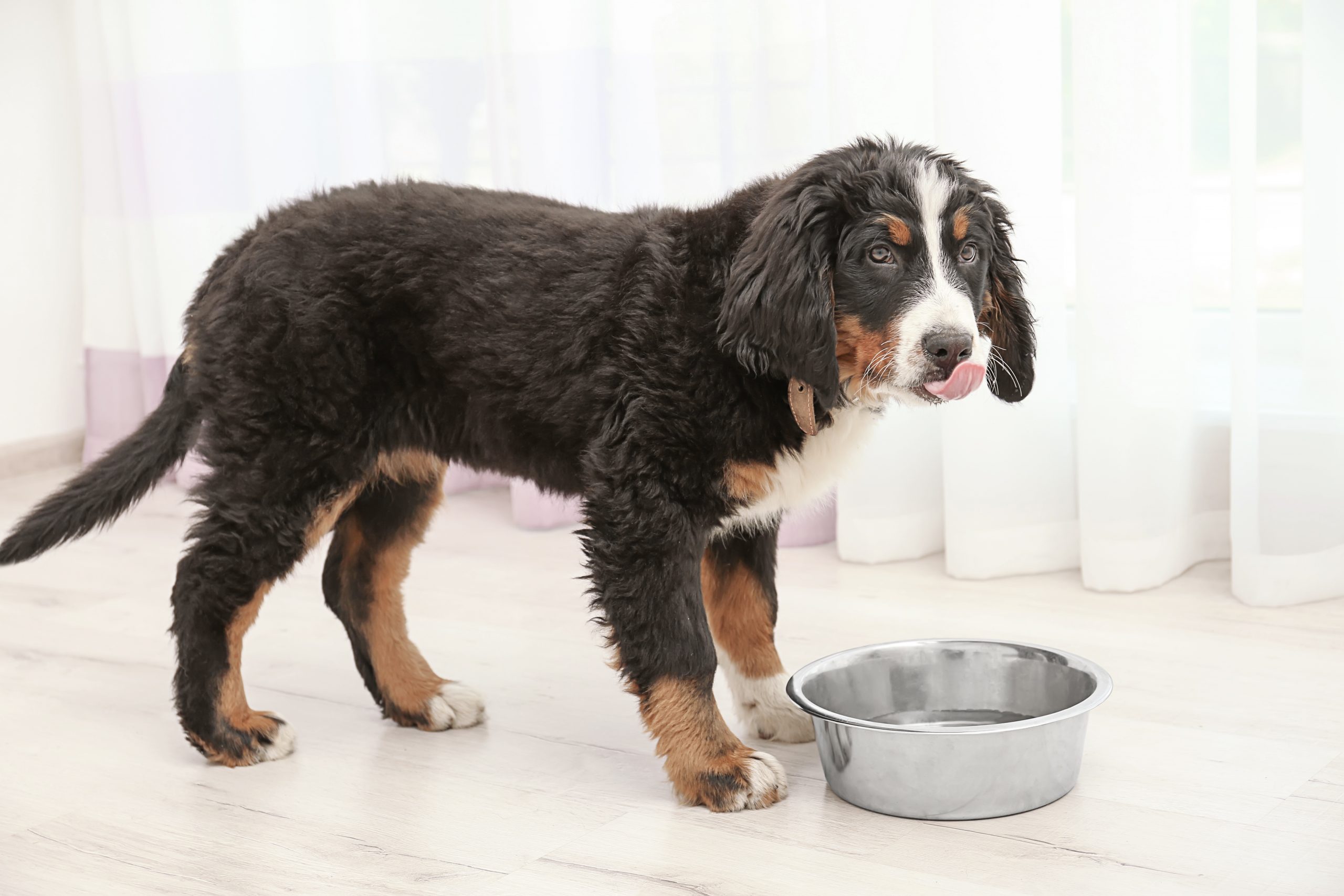
Helping your canine companion reach a healthy weight is crucial for their overall well-being. While overweight pets often steal the spotlight, some dogs struggle to maintain adequate weight due to illness, recovery, or simply a naturally lean build. If your dog needs to gain weight, understanding the best food options and strategies is key. This guide will delve into the characteristics of ideal weight-gain dog foods, provide examples, and offer practical tips to help your furry friend achieve a healthier physique.
What Makes a Dog Food Ideal for Weight Gain?
When selecting a dog food to support weight gain, several factors come into play, ensuring not only palatability but also nutritional completeness and digestibility.
Palatability: The Key to Increased Intake
A dog is more likely to consume a larger quantity of food if it is appealing to their taste. Wet foods generally tend to be more palatable than their dry counterparts, often because they contain higher levels of fat and protein, which dogs find enticing. While homemade diets can be the most palatable, it is imperative to consult with a veterinary nutritionist to ensure these meals are balanced and meet all of your dog’s nutritional needs.
Digestibility: Maximizing Nutrient Absorption
Digestibility refers to the extent to which a food’s nutrients are absorbed and utilized by the dog’s body, rather than being eliminated. Highly digestible foods mean a dog can gain the necessary nutritional benefits without needing to consume excessive amounts. While a food’s digestibility isn’t explicitly stated on the label, a general indicator can be observed in stool consistency. Firm, low-volume stools typically suggest good digestibility, whereas looser, more voluminous stools may indicate lower digestibility. High-fiber foods are generally less digestible.
Caloric Density: Packing in the Energy
Calorically dense dog foods provide a significant amount of energy (calories) within a smaller volume of food. This is particularly beneficial for dogs needing to gain weight, as they can consume sufficient calories without feeling overly full. The caloric density is usually indicated on the packaging in terms of kcal/cup, kcal/can, or kcal/kg. Foods higher in fat are typically more calorically dense than those lower in fat, as fat yields more calories per gram than protein or carbohydrates. Maintaining lean body mass is also important, so adequate protein levels are often desirable.
Examples of Recommended Dog Foods for Weight Gain
Several types of dog foods align with the criteria for promoting healthy weight gain by being palatable, digestible, and rich in essential nutrients.
Therapeutic Diets for Critical Needs
In situations where a dog is recovering from severe illness, surgery, or injury, a veterinarian may prescribe critical care or recovery foods. Options like Hill’s Prescription Diet a/d Urgent Care, Purina Pro Plan Veterinary Diets CN Critical Nutrition Formula, and Royal Canin Veterinary Diet Recovery RS are specifically formulated to be highly palatable and provide concentrated nutrition to support recovery. These diets encourage eating even when a dog feels unwell.
Puppy or All Life Stages Formulas
Foods formulated for puppies or designated for “all life stages” that meet the Association of American Feed Control Officials (AAFCO) standards for puppies are often higher in protein and fat compared to typical adult dog foods. Look for reputable brands that are AAFCO-compliant, such as Wellness Complete Health Just for Puppy canned food, Merrick grain-free lamb and sweet potato recipe dry food, and Adirondack 30% High-Fat Puppy and Performance Recipe dry dog food. It’s advisable to avoid large-breed puppy formulas, as they typically contain less fat than standard puppy foods.
Performance Diets for Active Dogs
Highly active or working dogs often benefit from performance diets, which are characterized by high protein and fat content to sustain their energy levels and maintain body condition. These diets are suitable for healthy dogs that require increased caloric intake due to their demanding lifestyles or those needing to regain weight. Examples include Purina Pro Plan Sport All Life Stages Performance 30/20 Formula dry dog food, offering a minimum of 30% protein and 20% fat, and Dr. Tim’s Highly Athletic Momentum Formula dry dog food, with 35% protein and 25% fat.
Tips for Successfully Helping Your Dog Gain Weight
Before making any significant changes to your dog’s diet or if you have concerns about their health and weight, consult with your veterinarian. They can provide personalized recommendations based on your dog’s specific needs and help develop a safe and effective weight gain program.
- Gradual Food Transition: When introducing a new food, especially one that is high in fat, it’s crucial to do so gradually. A rapid switch can sometimes lead to pancreatitis, a serious condition associated with fatty meals. A slow transition helps your dog’s digestive system adapt. Transitioning to your dog’s new food gradually is a key step in avoiding digestive upset.
- Balancing Wet and Dry Food: While wet foods are often more palatable, dry foods tend to be more calorically dense. You might find success by experimenting with a combination of both, perhaps mixing a small amount of highly palatable wet food into their dry kibble to leverage the benefits of each.
- Frequent Small Meals: Instead of offering one or two large meals, consider feeding your dog multiple smaller meals throughout the day. This feeding schedule can often encourage dogs to eat more. Alternatively, leaving dry food accessible throughout the day might work, though it can make it more challenging to precisely monitor their appetite.
Caring for a dog that needs to gain weight requires patience and a thoughtful approach to their diet and nutrition. By working with your veterinarian and implementing these strategies, you can help your dog achieve and maintain a healthy weight, contributing to a happier and healthier life.