
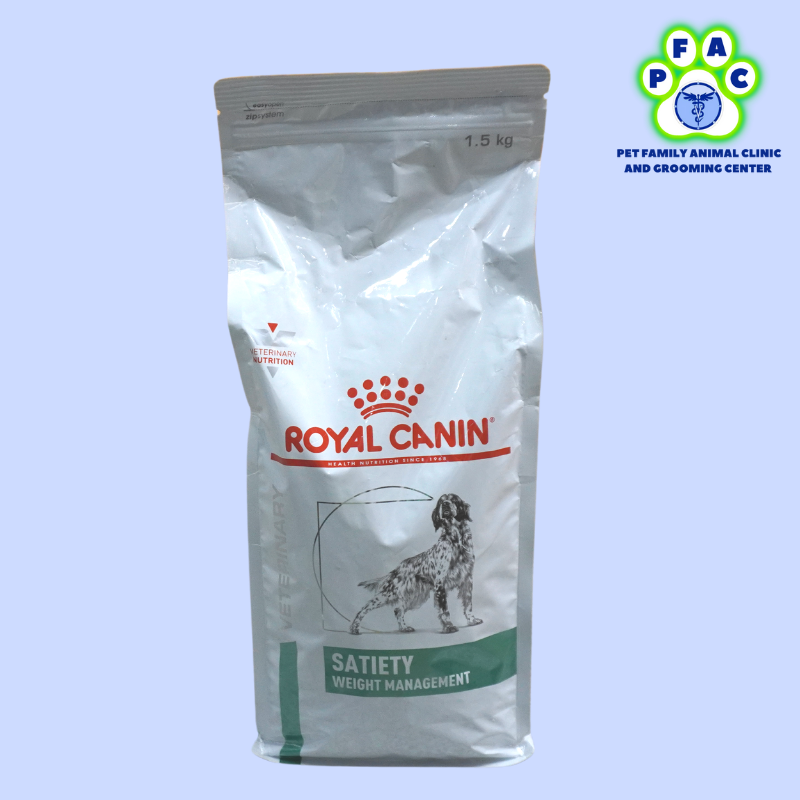
Obesity in pets is more than just a cosmetic concern; it is a serious health issue that can significantly impact a dog’s quality of life and longevity. If your canine companion has gained a few extra pounds, you are not alone. Many pet owners struggle with maintaining a healthy weight for their dogs in an environment where treats are plentiful and exercise is often limited. Fortunately, specialized veterinary diets like Royal Canin Satiety Weight Management provide a scientifically backed solution to help your dog shed excess weight safely while remaining satisfied and energetic.
Royal Canin Satiety Weight Management is a complete and balanced nutritional food specifically formulated for adult dogs over 12 months old who are overweight or obese. By focusing on high fiber, high protein, and low calorie density, this diet addresses the biological needs of a weight-loss journey without sacrificing the nutrients your dog needs to thrive.
Scientific Benefits of Royal Canin Satiety Weight Management
When it comes to pet weight loss, the goal is not just to reduce calories but to ensure the dog feels full and maintains its physical strength. This specific formula is designed with three core pillars of health in mind: effective weight control, hunger management, and muscle preservation.
Proven Weight Control Results
One of the most impressive aspects of this diet is its clinical success rate. In a controlled clinical trial, 97% of dogs achieved measurable weight loss within just three months of starting the program. This formula uses a tailored macronutrient profile that promotes safe fat loss while preventing the common “yo-yo effect” or rapid weight regain that often occurs after a diet ends.
Reducing Begging Behavior and Promoting Satiety
The biggest challenge for most pet owners during a diet is dealing with a hungry, begging dog. Royal Canin Satiety Weight Management solves this by using a unique blend of high-fiber ingredients. These fibers increase the volume of the food in the stomach, providing a lasting feeling of fullness (satiety) between meals. When a dog feels satisfied, they are naturally less inclined to beg for extra treats or scavenge for food throughout the day.
Maintaining Lean Muscle Mass
Weight loss should focus on burning fat, not losing muscle. This food is enriched with high-quality proteins to support muscle maintenance during the caloric deficit. Maintaining muscle is crucial because muscle tissue burns more energy than fat, even at rest, which helps keep the dog’s metabolism active and healthy.
Implementing a Successful Weight Loss Plan
Achieving a healthy weight for your dog requires a structured approach. It is not just about changing the food; it is about managing the quantity and monitoring progress.
- Determine the Target Weight: Before starting, consult with your veterinarian to establish your dog’s ideal “target weight.” Feeding portions should be based on this ideal weight rather than the dog’s current weight.
- Monitor the Rate of Loss: A safe rate of weight loss is generally 1% to 3% of body weight per week during the first three months. After this initial phase, the rate usually shifts to 0.5% to 2% per week.
- Adjust for Post-Loss Maintenance: Once the target weight is reached, the dog’s energy requirements remain lower than those of a dog that was never obese. According to research (German et al., 2011), the maintenance ration after weight loss is typically calculated by increasing the weight-loss portion by only 10%.
Ingredients and Nutritional Profile
The effectiveness of Royal Canin Satiety Weight Management lies in its high-quality ingredients, featuring highly digestible proteins (L.I.P.) and essential fatty acids like Fish Oil (source of EPA/DHA) to support joint health, which is often compromised in overweight dogs.
- Composition: Vegetable fibers, dehydrated poultry protein, wheat gluten, tapioca, corn gluten, hydrolyzed animal proteins, wheat, corn, animal fats, beet pulp, fish oil, minerals, psyllium husks and seeds, soybean oil, glucosamine, and chondroitin.
- Nutritional Analysis:
- Protein: 30.0%
- Fat Content: 9.5%
- Crude Fiber: 17.0%
- Crude Ash: 5.8%
Important Considerations and Contraindications
While this diet is an excellent tool for many, it is not suitable for all dogs. It is specifically indicated for dogs with obesity, overweight-related diabetes, or hyperlipidemia. However, it should not be used for:
- Puppies or growing dogs.
- Pregnant or lactating dogs.
- Dogs with a history of constipation (due to the high fiber content).
Always consult your veterinarian before transitioning your pet to a specialized veterinary diet. Combining this nutritional plan with appropriate physical activity—such as daily walks or interactive play—will further help your dog achieve a healthier, happier life.
References
- German, A. J., et al. (2011). Low-maintenance energy requirements in obese dogs after weight loss.
- Royal Canin Veterinary Nutrition Guidelines.