
Finding out that your beloved canine companion has a chronic health condition or a specific nutritional requirement can be a daunting experience for any pet owner. Whether it is a sudden gastrointestinal upset or a long-term struggle with kidney function, the food your dog consumes plays a pivotal role in their recovery and long-term quality of life. Standard commercial kibble often falls short when dealing with clinical pathologies, which is why medical dog food—specifically formulated VET diets—becomes an essential tool in veterinary medicine. These specialized diets are designed by experts to provide therapeutic benefits while ensuring your pet still enjoys their mealtime.
Understanding the Importance of Veterinary Diets
Medical dog food is significantly different from the maintenance diets found on most supermarket shelves. These formulas are developed and recommended by veterinarians to address specific physiological requirements. The primary goal is to manage the symptoms of common canine complaints through precise nutrient control. For instance, a dog suffering from renal failure requires restricted phosphorus and high-quality but limited protein, whereas a dog with skin irritations might need a unique source of omega fatty acids and hydrolyzed proteins.
Happy Dog VET special diets cover a wide spectrum of these common health issues, including:
- Overweight and Obesity: Controlled calorie intake with high fiber to maintain satiety.
- Feed Intolerances and Allergies: Hypoallergenic recipes to avoid triggering immune responses.
- Gastrointestinal Diseases: Highly digestible ingredients that are gentle on the digestive tract.
- Kidney and Liver Diseases: Specialized mineral levels to reduce the workload on vital organs.
- Urinary Stones: pH-regulating formulas to prevent the formation of struvite or calcium oxalate stones.
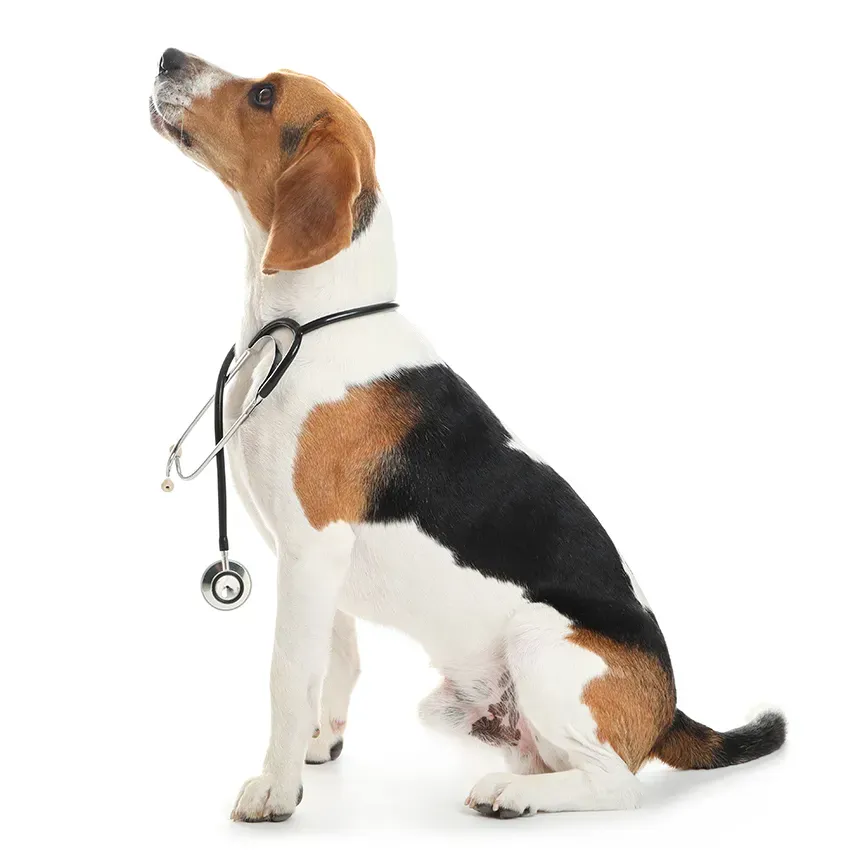
Targeted Solutions for Common Canine Ailments
Weight Management and Obesity Control
Obesity is one of the most common health challenges in modern pets, leading to secondary issues like joint pain and diabetes. VET diets for weight control focus on reducing energy density while increasing crude fiber. This ensures the dog feels full even while consuming fewer calories. Supplementing these diets with specific snacks, like the VET Weight Control Snack, helps maintain the bond between owner and pet without sabotaging the weight loss journey.
Renal and Cardiac Support
As dogs age, kidney function often declines. A VET Diet Renal or Early Renal formula is specifically engineered to support kidney function by reducing protein, phosphorus, and sodium. This helps prevent the buildup of toxic metabolic byproducts in the bloodstream. Similarly, cardiac care diets focus on maintaining healthy blood pressure and heart muscle function through taurine and L-carnitine supplementation.
Digestive Health and Hypersensitivity
For dogs with “sensitive stomachs” or chronic diarrhea, an Intestinal or Intestinal Low Fat diet provides easily absorbable nutrients. These formulas often include prebiotic fibers to stabilize the intestinal flora. In cases where the dog suffers from food allergies, a Hypersensitivity diet using rare protein sources or hydrolyzed proteins is the gold standard for identifying and managing the trigger.
Recovery and Convalescence
During recovery from surgery or a serious illness, a dog’s energy requirements can skyrocket, yet their appetite often diminishes. Recovery diets are high-energy, nutrient-dense, and exceptionally palatable. These formulas are often available in a soft, wet food format, making them suitable for syringe feeding or as tube nutrition if necessary. This intensive nutritional support ensures the body has the building blocks it needs to repair tissue and regain strength quickly.
Professional Consultation is Key
It is important to remember that Happy Dog VET special diets are therapeutic tools. Because they contain modified levels of minerals and nutrients, they should only be used under the guidance of a professional. These diets are typically available only upon veterinary recommendation, ensuring that your dog receives the exact formula suited to their clinical diagnosis. If your dog does not have a diagnosed medical problem but simply has a picky appetite or mild intolerance, consult your vet about whether a VET diet or a high-quality sensitive maintenance food is the better choice.
Conclusion
Caring for a dog with special requirements demands patience, love, and the right nutritional foundation. By choosing a veterinarian-recommended VET diet, you are providing your four-legged friend with a targeted medical dog food that addresses their specific health challenges without sacrificing taste. Whether in the form of dry food, wet food, or specialized supplements like Aktizym, these diets offer a comprehensive approach to managing canine health. Always consult your veterinarian to monitor your dog’s progress and adjust their dietary plan as their condition improves or changes.
References
- World Small Animal Veterinary Association (WSAVA) – Nutritional Assessment Guidelines.
- American Veterinary Medical Association (AVMA) – Managing Obesity in Dogs.
- International Society of Feline Medicine & International Renal Interest Society (IRIS) – Guidelines for Kidney Disease Management.