
Managing diabetes in dogs requires a comprehensive approach that combines medical treatment with precise nutritional support. When a dog is diagnosed with diabetes, it can feel overwhelming, but understanding the condition and the dietary tools available can make a significant difference in your pet’s quality of life. This article provides an in-depth look at canine diabetes and how specialized nutrition, such as Royal Canin Diabetic Canine, plays a crucial role in disease management.
Understanding Canine Diabetes
In a healthy dog, the pancreas produces insulin, a hormone essential for regulating blood sugar levels. However, dogs most commonly suffer from Type I diabetes, where the pancreas stops producing insulin entirely due to the disease. This condition is irreversible and requires lifelong management. The primary goal of treatment is to stabilize blood glucose levels and prevent complications.
Effective diabetes management in dogs relies on a combination of factors: consistent insulin therapy, strict dietary control, weight management, and often spaying or neutering, as reproductive hormones can interfere with insulin therapy and make the condition harder to regulate.
The Role of Specialized Nutrition
Diet is a cornerstone of diabetes management. A well-formulated diet helps control post-meal blood sugar spikes, supports a healthy weight, and provides sustained energy. This is where specialized therapeutic diets, like Royal Canin Diabetic Canine, become invaluable. This formula is specifically designed for adult dogs with diabetes, offering a precise nutritional profile to meet their unique needs.
Key Nutritional Features
Royal Canin Diabetic Canine is formulated with several key characteristics that make it suitable for diabetic dogs:
- Low Glycemic Index Carbohydrates: The formula uses carefully selected carbohydrate sources like barley and cassava. These ingredients have a low glycemic index, meaning they are digested slowly, resulting in a gradual release of glucose into the bloodstream. This helps prevent the dangerous spikes in blood sugar that can occur after meals.
- Reduced Starch Content: By limiting rapidly digestible starches, the diet helps maintain more stable blood glucose levels throughout the day.
- High Protein Content: A high level of high-quality, highly digestible protein (L.I.P. – Low Indigestible Protein) helps maintain lean muscle mass. This is particularly important for diabetic dogs, as muscle mass can be lost if the condition is not well-controlled. A healthy muscle mass also supports a healthy body weight and overall vitality.
- Added Fiber: The inclusion of soluble and insoluble fibers, such as psyllium husks and fructo-oligosaccharides (FOS), helps regulate the absorption of glucose from the gut. Fiber also promotes a feeling of fullness, which can assist in weight management.
Indications and Important Precautions
This therapeutic diet is intended for dogs under specific circumstances. It is crucial to understand that this is a prescription diet, meaning it should only be used under the guidance of a veterinarian.
Royal Canin Diabetic Canine is indicated for:
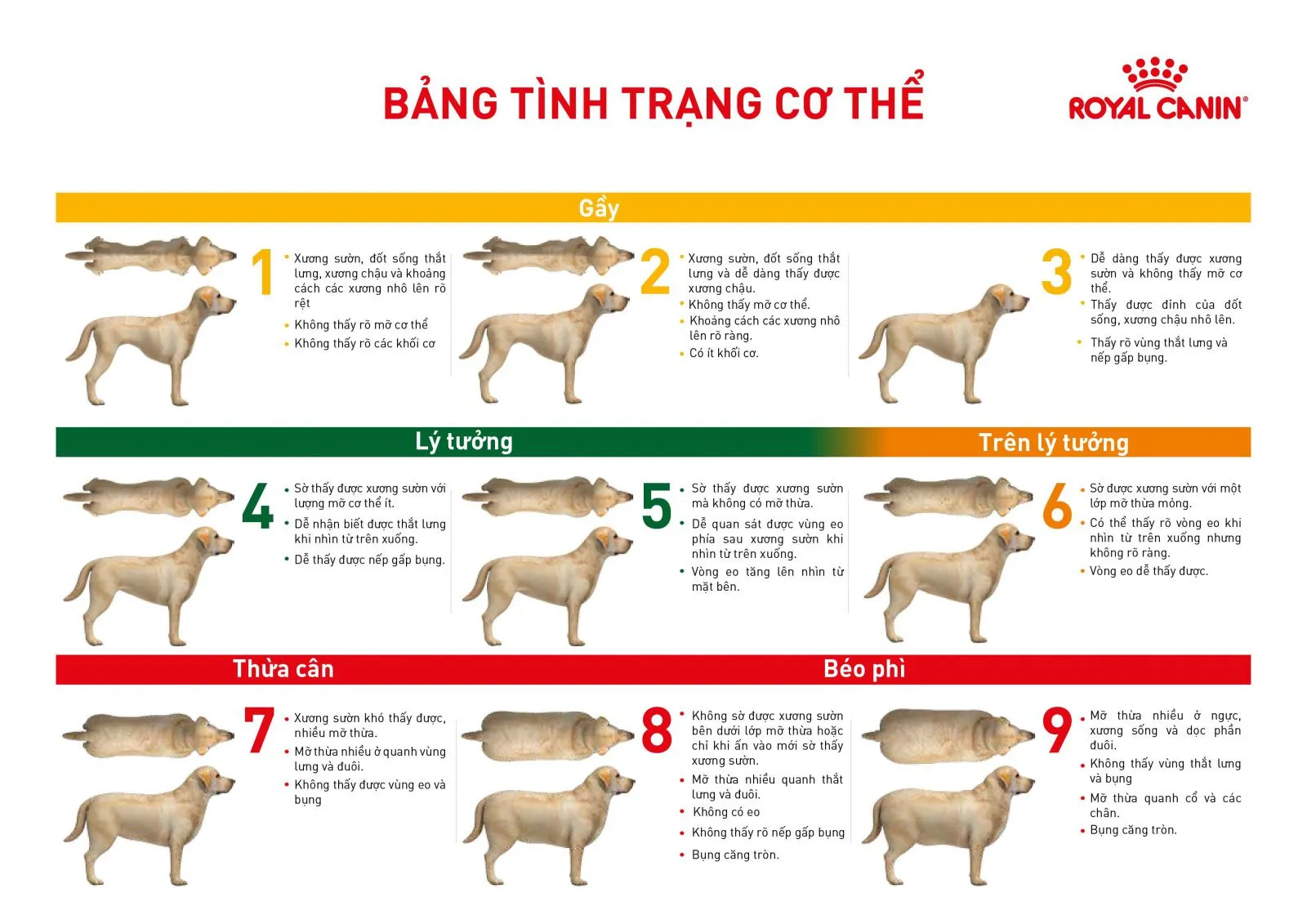
- Dogs diagnosed with diabetes with a Body Condition Score (BCS) of 6 or less (on a 9-point scale).
- Dogs diagnosed with diabetes with a BCS of 7 or more (overweight or obese) until their blood glucose is well-controlled.
This diet is contraindicated for:
- Growing puppies.
- Pregnant or nursing dogs.
These contraindications are essential because the specific nutritional balance required for a growing, pregnant, or lactating dog differs significantly from the needs of an adult dog with diabetes. Using this diet in those life stages could lead to nutritional imbalances.
Ingredient Profile
Understanding the ingredient list can provide insight into how the diet works. The primary ingredients in Royal Canin Diabetic Canine include:
- Dehydrated poultry protein: A concentrated source of high-quality animal protein.
- Barley and cassava flour: Low-glycemic carbohydrate sources.
- Wheat gluten and corn gluten: Provide additional protein structure.
- Vegetable fibers and psyllium husks: For digestive health and glucose regulation.
- Animal fats and fish oil: Sources of energy and essential fatty acids for skin and coat health.
- Minerals and vitamins: Essential for overall health, including Vitamin A, Vitamin D3, and minerals like zinc, iron, and copper to support metabolic functions.
This precise combination is designed to support glycemic control while providing complete and balanced nutrition.
Feeding Guidelines
Proper feeding practices are just as important as the food itself. Consistency is key when managing a diabetic dog.
Feeding Schedules
- Consistency: Feed the same amount of food at the same times every day. This aligns with the timing of insulin injections and helps maintain stable blood sugar levels.
- Split Meals: It is generally recommended to split the daily ration into two equal meals, typically given at the time of each insulin injection. This ensures that nutrient intake is synchronized with insulin activity.
- No Free-Feeding: Leaving food out for your dog to graze on throughout the day is not recommended. This can lead to unpredictable blood sugar fluctuations.
Determining the Right Portion
The appropriate portion size depends on several factors, including the dog’s weight, body condition, activity level, and the advice of the veterinarian. Standard feeding tables provided by the manufacturer offer a starting point, but these recommendations must be tailored to the individual dog. Your veterinarian will help you determine the ideal daily amount and adjust it as needed based on your dog’s weight and blood glucose monitoring results.
Transitioning to the New Food
Any dietary change for a diabetic dog must be done gradually to avoid digestive upset and blood sugar swings. A typical transition period of 7 to 10 days involves mixing increasing amounts of the new food with decreasing amounts of the old food. This should always be done under veterinary supervision.
Conclusion: A Team Approach to Diabetes Management
Managing a dog with diabetes is a commitment, but with the right strategy, your dog can live a happy, active, and healthy life. The foundation of this management is a strong partnership between you and your veterinarian.
Specialized nutrition like Royal Canin Diabetic Canine provides a powerful tool to help regulate blood glucose, maintain a healthy weight, and support overall well-being. However, it is most effective when used as part of a comprehensive plan that includes consistent insulin therapy, regular monitoring of blood glucose, and a stable daily routine.
If your dog has been diagnosed with diabetes, consult your veterinarian to determine if this therapeutic diet is appropriate for their specific needs. By following your vet’s guidance and maintaining a consistent care routine, you can help your canine companion thrive despite their diagnosis. For more insights on managing chronic conditions in pets, explore our other articles on senior dog care and specialized nutrition.