
Bringing a large breed puppy into your home is an exciting and rewarding experience. These gentle giants, from Great Danes to Labrador Retrievers, capture our hearts with their oversized paws and playful spirits. However, their nutritional needs are significantly different from smaller breeds, and providing the correct diet during their crucial growth phase is the most important factor in ensuring they develop into healthy, strong adults. Feeding a large breed puppy the wrong food can lead to serious developmental issues, making it essential to understand what sets their dietary requirements apart.
Why Large Breed Puppies Need Specialized Nutrition
Large and giant breed puppies, typically those expected to weigh over 50 pounds (22.7 kg) as adults, undergo a rapid but delicate growth process. Their bones, joints, and muscles develop at an astonishing rate. Unlike small breed puppies who mature quickly, large breeds have a prolonged growth period that can last up to 18 to 24 months. Feeding them a diet formulated for “all puppies” or for small breeds can be detrimental.
The primary risk is growing too fast. A diet with excessive calcium, phosphorus, or overall calories can accelerate growth, leading to orthopedic issues such as hip dysplasia, elbow dysplasia, and osteochondrosis (a condition affecting joint cartilage). The goal for a large breed puppy is not maximum growth, but controlled, steady growth. Specialized large breed puppy foods are formulated with precise nutrient ratios to support this, ensuring a strong skeletal foundation without the risks associated with overnutrition.
Key Nutritional Components for Large Breed Puppies
Selecting the right food involves looking beyond the marketing on the bag. Here are the critical nutritional factors you must evaluate to support your puppy’s long-term health.
Controlled Calcium and Phosphorus Levels
Calcium is a cornerstone of bone development, but for large breed puppies, the phrase “more is better” is dangerously false. Excessive calcium can interfere with the body’s natural ability to regulate bone mineralization, leading to developmental bone diseases. The ideal large breed puppy food will have a calcium content within a specific range (generally between 0.8% and 1.2% on a dry matter basis) and a balanced calcium-to-phosphorus ratio, ideally around 1.2:1 to 1.4:1. This careful balance promotes strong, healthy bone formation without encouraging dangerous rapid growth.
Optimal Energy and Fat Content
Calories must be carefully managed. While your puppy is bursting with energy, a diet that is too calorie-dense can quickly lead to excess weight gain, which puts immense strain on developing joints. Large breed puppy formulas typically have a slightly lower fat content than small breed formulas to help maintain a lean body condition. Instead of focusing on high fat, these foods prioritize high-quality protein from sources like chicken, lamb, or fish to build lean muscle mass without adding unnecessary fat.
High-Quality Protein for Muscle Development
Protein is the building block of muscle. For a large breed puppy, the source and quality of protein are paramount. Look for foods where a named animal protein (e.g., chicken, beef, salmon) is the first ingredient. Adequate, high-quality protein supports steady muscle growth that matches the developing skeletal structure, helping to prevent muscle weakness that could stress joints.
DHA and Omega Fatty Acids for Brain and Joint Health
Docosahexaenoic acid (DHA) is an omega-3 fatty acid crucial for brain and vision development during the puppy stage. Many large breed puppy formulas include DHA from sources like fish oil to support cognitive function and trainability. Additionally, omega-3 fatty acids have anti-inflammatory properties that can benefit developing joints, providing an extra layer of support for future mobility.
Feeding Schedule and Portion Control
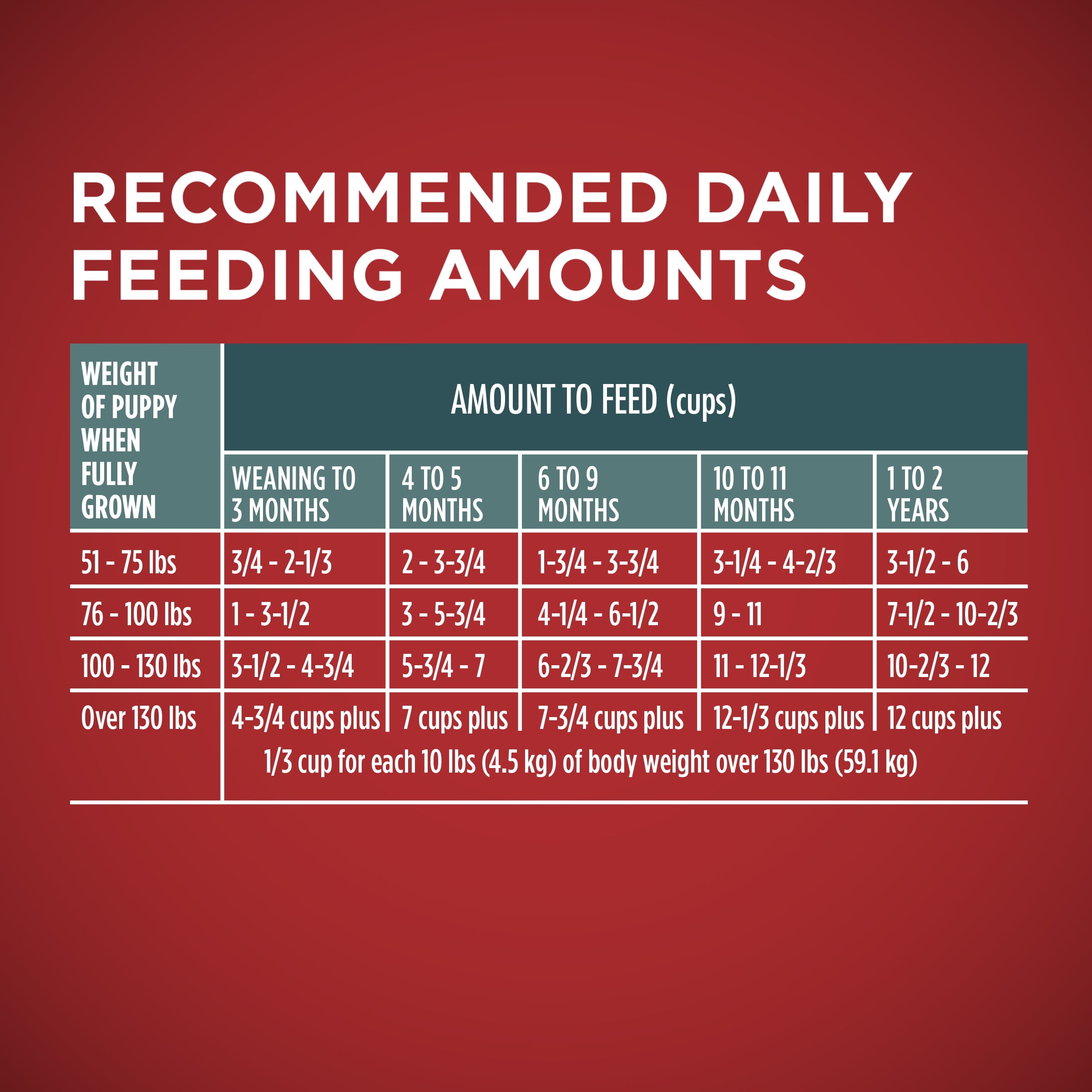
Proper nutrition is not just about what you feed, but how you feed it. Free-feeding (leaving food out all day) is a common mistake that can lead to overeating and rapid weight gain. For large breed puppies, a structured feeding schedule is essential.
From weaning until about six months of age, large breed puppies typically do well with three meals per day. This consistent schedule helps regulate blood sugar and provides a steady stream of energy without overwhelming the digestive system. After six months, you can transition to two meals per day, which is the standard for most adult dogs.
Portion sizes should be strictly based on the feeding guidelines on your puppy food’s packaging, but these are just a starting point. You should regularly assess your puppy’s body condition. A healthy large breed puppy should have a visible waist when viewed from above, and you should be able to feel—but not see—their ribs with a slight layer of fat over them. Your veterinarian is your best resource for adjusting portion sizes based on your individual puppy’s growth curve.
Transitioning to Adult Food
Knowing when to switch from puppy to adult food is a common point of confusion. The transition should not be based solely on age but on the individual puppy’s growth and maturity. For giant breeds like Mastiffs or Irish Wolfhounds, this may be as late as 24 months. For other large breeds like Golden Retrievers or German Shepherds, the transition typically occurs between 12 and 18 months.
The key indicator is when your puppy’s growth rate begins to plateau. Switching to adult food too early can deprive them of the sustained, balanced nutrition needed for final skeletal maturity. Too late, and they may gain unnecessary weight. Your veterinarian can help you determine the optimal time to switch based on your puppy’s breed, size, and physical development.
Choosing a High-Quality Large Breed Puppy Food
When navigating the pet food aisle, look for brands that adhere to the nutritional standards set by the Association of American Feed Control Officials (AAFCO). A statement on the bag that the food is “formulated to meet the nutritional levels established by the AAFCO Dog Food Nutrient Profiles for growth” is a baseline indicator that the food is complete and balanced for puppies. However, for large breeds, it’s even better to choose foods specifically labeled for “large breed puppies,” as these have undergone additional scrutiny for their calcium and phosphorus ratios.
In conclusion, the foundation of a healthy, active life for your large breed dog is built during puppyhood. By choosing a specialized large breed puppy food that provides controlled levels of calcium, balanced energy, and high-quality protein, and by maintaining a structured feeding schedule, you are actively protecting your puppy from the common skeletal and joint issues that can affect these magnificent dogs. This investment in proper nutrition during the growth phase is the most significant step you can take to ensure your gentle giant enjoys a long, mobile, and joyful life by your side. For more detailed guidance on caring for your growing puppy, explore our other resources on breed-specific health and training.
References
- American Kennel Club. (2023). Large Breed Puppy Feeding. AKC.org.
- National Research Council. (2006). Nutrient Requirements of Dogs and Cats. The National Academies Press.
- Association of American Feed Control Officials. (2023). Official Publication. AAFCO.