
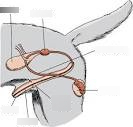
For pet owners, understanding the biological inner workings of their furry companions is a vital part of responsible care. While we often focus on nutrition and exercise, the reproductive system plays a massive role in a male pet’s health, behavior, and overall well-being.
The male reproductive system in dogs and tomcats is a complex network of organs and hormones designed not just for the perpetuation of the species, but also for maintaining hormonal balance. This system influences everything from physical characteristics to territorial behaviors. Whether you are a breeder or a dedicated pet parent considering neutering, knowing how these organs function—and what can go wrong—is essential for ensuring a long, healthy life for your pet.
The Core Functions of the Male Reproductive System
The primary goal of the male reproductive tract is to facilitate the fertilization of female ova. However, this involves several distinct biological processes:
- Spermatogenesis: The continuous production of healthy spermatozoa.
- Hormone Production: Generating testosterone, which dictates secondary male characteristics (such as muscle mass and specific behaviors).
- Fluid Secretion: Producing seminal fluids that nourish sperm and neutralize the environment of the female reproductive tract.
- Sperm Delivery: The physical transport of genetic material into the female.
Anatomical Components and Their Vital Roles
The system spans from the inner abdomen to the external structures. While dogs and cats share many similarities, there are fascinating anatomical differences between the two species.
1. Scrotum and Testes
The scrotum is the external pouch housing the testes. Its primary job is temperature regulation. For healthy spermatogenesis, the testes must remain below 40°C. The Dartos muscle acts as a natural thermostat, contracting to pull the testes closer to the body in the cold and relaxing to let them hang away in the heat.
2. Epididymis and Deferent Duct
Located at the top of each testicle, the epididymis is a coiled tube where sperm matures. It eventually transitions into the deferent duct (vas deferens), which carries the sperm into the pelvic cavity toward the urethra.
3. The Prostate Gland
The prostate is the main accessory gland in both species. Located near the bladder, it secretes fluids that increase the volume of the ejaculate and balance the pH levels, ensuring sperm survival during their journey.
4. The Penis: Canine vs. Feline
The anatomy of the penis differs significantly between dogs and cats:
- In Dogs: The canine penis includes a bone called the os penis for rigidity. A unique feature is the bulbus glandis (the “knot”). During mating, this area swells and “locks” the dog inside the female in a “copulatory tie” that can last up to 30 minutes, increasing the chances of pregnancy.
- In Cats: The feline penis is shorter and points backward when relaxed. Crucially, the glans is covered in tiny barbs or spines. These spines are necessary because female cats are “induced ovulators”—the physical sensation of the barbs during withdrawal triggers the release of eggs.
Common Health Issues and Disorders
Because this system is so complex, it is susceptible to various infections and physical ailments. Early detection is key to successful treatment.
Developmental and Physical Conditions
- Cryptorchidism: A genetic condition where one or both testicles fail to descend into the scrotum. Undescended testes stay too warm, leading to infertility and a significantly higher risk of testicular cancer.
- Paraphimosis: A medical emergency where the penis cannot be retracted into the prepuce (sheath). This can lead to swelling, restricted circulation, and tissue death if not treated immediately by a vet.
- Phimosis: The opposite of the above; the opening of the prepuce is too small to allow the penis to emerge.
Prostatic Diseases
Prostate issues are common, especially in older, unneutered dogs:
- Benign Prostatic Hyperplasia (BPH): A non-cancerous enlargement of the prostate due to age and hormones. It can cause difficulty in defecation or blood in the urine.
- Prostatitis: A painful bacterial infection of the gland.
- Prostate Cancer: While rarer than BPH, it is aggressive and unfortunately has no known cure in pets.
Infectious Diseases
Brucellosis is a serious bacterial infection (Brucella canis) that causes infertility and inflammation of the sexual organs. It is highly contagious and can be transmitted to humans, making it a “notifiable disease” in many regions.
The Case for Neutering
Unless you are a registered, professional breeder, most veterinarians strongly recommend neutering male dogs and cats. Beyond preventing overpopulation, neutering offers significant health benefits:
- Eliminates the risk of testicular cancer.
- Reduces the incidence of prostate infections and BPH.
- Decreases roaming behaviors, territorial marking, and hormone-driven aggression.
Conclusion and Recommendations
Maintaining your pet’s reproductive health starts with observation. If you notice straining during elimination, discharge, swelling, or a stiff gait, consult your veterinarian immediately. Annual check-ups are the best way to catch these issues before they become life-threatening. By understanding these systems, we can better advocate for the health and comfort of our loyal companions.
References:
- South African Veterinary Association (SAVA) Guidelines.
- World Small Animal Veterinary Association (WSAVA) Reproductive Health Standards.
- Journal of Feline Medicine and Surgery: Feline Reproductive Anatomy.