
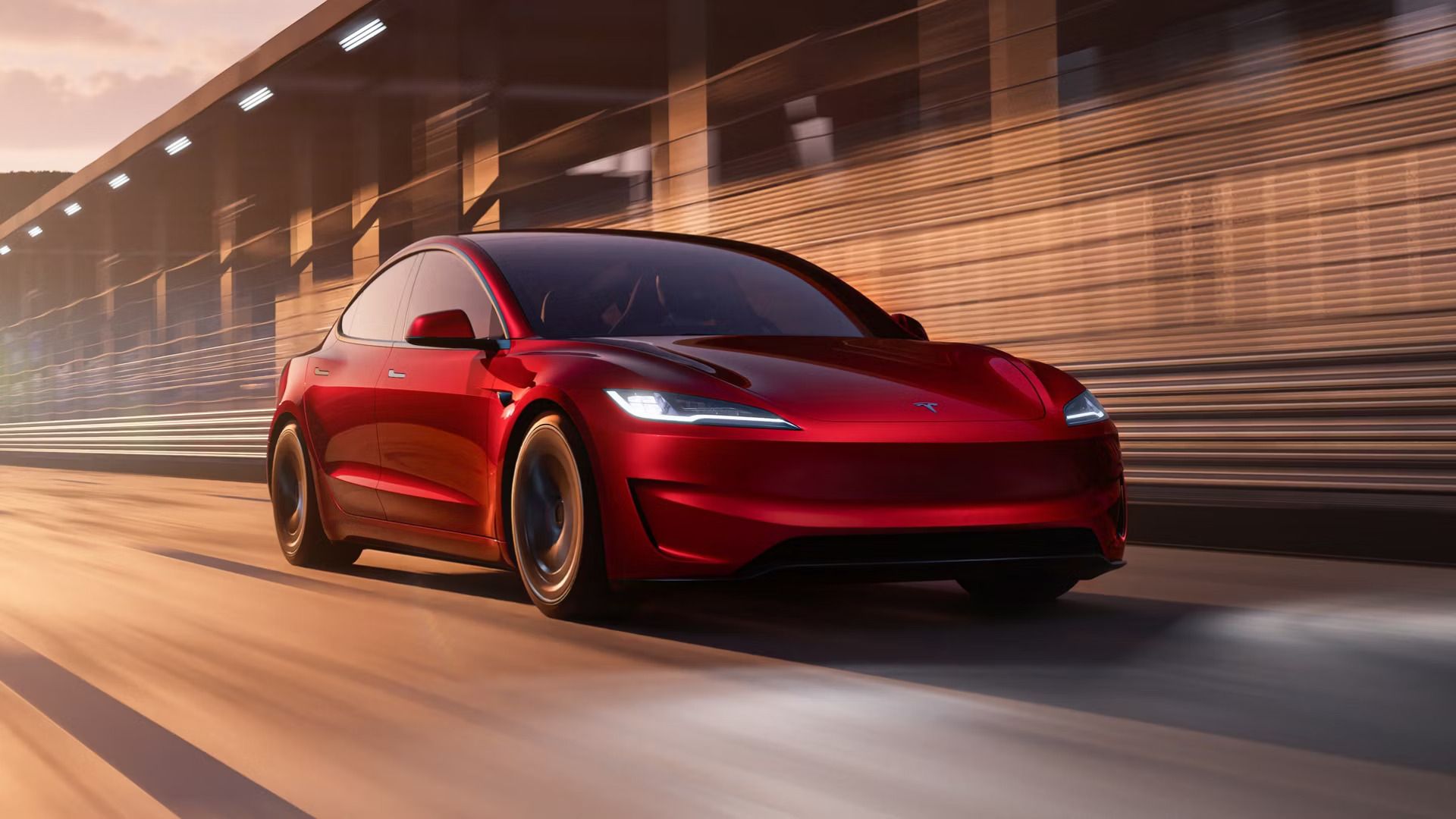
Understanding the range of the Tesla Model 3 is essential for anyone considering an electric sedan or looking to maximize their current vehicle’s potential. From the early generations to the latest “Highland” refresh, Tesla has made significant strides in efficiency, pushing WLTP figures to impressive new heights.
However, many drivers wonder how these official numbers translate to highway speeds, cold weather, and long-distance road trips. This comprehensive guide breaks down everything you need to know about the Tesla Model 3’s battery performance, real-world expectations, and expert tips to squeeze every kilowatt-hour out of your drive.
The Model 3 Odyssey: Rear-Wheel Drive vs. Long Range
The Tesla Model 3 has long been the industry benchmark for energy efficiency. The latest Highland generation, launched in late 2023, takes this further with improved aerodynamics, refined thermal management, and enhanced motor efficiency.
Currently, the lineup offers distinct choices based on your driving needs. The most notable performer is the Long Range Rear-Wheel Drive (RWD) variant, which boasts an official WLTP range exceeding 700 km. For high-mileage drivers, this specific model shifts the narrative around electric vehicles, as very few competitors can match the 700 km threshold.
Official WLTP Range Comparison:
- Model 3 Rear-Wheel Drive (Standard): Ideal for daily commuting and urban efficiency.
- Model 3 Long Range AWD: The gold standard for those balancing performance and distance.
- Model 3 Long Range RWD: Maximum efficiency for the longest possible stretches between charges.
- Model 3 Performance: Focused on raw power, with a slight trade-off in total range.
WLTP vs. Reality: Range in Everyday Conditions
While WLTP (Worldwide Harmonized Light Vehicles Test Procedure) standards allow for easy comparison between different EV models, they rarely reflect the “real world.” Your actual mileage is heavily influenced by road type, driving style, weather, and speed.
Why the Model 3 Excels in the City
In urban environments, the Tesla Model 3 is incredibly efficient. Its regenerative braking system recovers energy every time you lift off the accelerator, feeding power back into the battery. At lower city speeds, many drivers find they can actually exceed the official WLTP range. Average consumption often drops to a remarkable 12–14 kWh/100 km.
Highway Reality at 130 km/h
High speeds are the natural enemy of EV range due to increased air resistance. Even with a class-leading drag coefficient, the Model 3 consumes more energy on the highway. In real-world conditions (averaging 130 km/h), you can expect approximately:
- Model 3 RWD: ~340 km
- Model 3 Long Range: ~460 km
- Model 3 Dual Motor: ~430 km
- Model 3 Performance: ~380 km
The Secret of the Wheels: 18″ vs. 19″
An often-overlooked factor in EV range is wheel size. Larger wheels may look more aesthetic, but they increase rotational mass and aerodynamic drag. Choosing the 18-inch Aero or Photon wheels can add up to 40 kilometers of range compared to the 19-inch alternatives. This is a strategic choice for drivers who frequently travel long distances and prioritize efficiency over style.
Coping with the Seasons: The Impact of Temperature
Temperature plays a massive role in battery chemistry. Cold weather slows down the movement of ions, reducing capacity and increasing consumption. Thankfully, modern Model 3s are equipped with a highly efficient heat pump that scavenges waste heat from the powertrain to warm the cabin.
- At 20°C: Range is typically close to WLTP estimates.
- At 0°C: Expect a decrease of approximately 15%.
- At -10°C: Range can drop by as much as 25%.
Pro Tip: Always use the “Precondition” feature via the Tesla app. Warming the battery while the car is still plugged in ensures optimal performance from the moment you start your journey.
Battery Hygiene: LFP vs. NMC Chemistry
Not all Tesla batteries are created equal. Understanding which chemistry your Model 3 uses is vital for long-term battery health.
- LFP (Lithium Iron Phosphate): Found primarily in the RWD (Propulsion) versions. These are durable and can be charged to 100% daily without significant degradation.
- NMC (Nickel Manganese Cobalt): Found in Long Range and Performance models. These offer higher energy density but are best kept between 20% and 80% for daily use to preserve longevity.
Strategy for Long Trips: The 20-Minute Stop
With the Model 3, long-distance travel is no longer about maximizing a single stint. Instead, it’s about “smart charging.” Using Tesla’s Supercharger network, you can typically charge from 20% to 80% in about 20 minutes.
On a 900 km trip (e.g., Paris to the French Riviera), a Model 3 Long Range requires only two short stops, totaling about 45 minutes of break time. This matches the natural rhythm of human travel—stopping for a coffee and a stretch before hitting the road again.
Final Verdict: A Masterful Balance
The Tesla Model 3 remains a market benchmark because it balances performance, technology, and industry-leading efficiency. By selecting the right wheels, managing your highway speed, and utilizing the heat pump and preconditioning features, you can transform your electric driving experience into one of total freedom.
Whether you prioritize the sheer range of the Long Range RWD or the exhilarating speed of the Performance model, the Model 3 ecosystem ensures you spend less time charging and more time driving.
References
- Tesla Official Specifications (2024-2026).
- WLTP (Worldwide Harmonized Light Vehicles Test Procedure) Standard Data.
- Electra Newsroom: “Electric Cars and Cold Weather” (2024).