
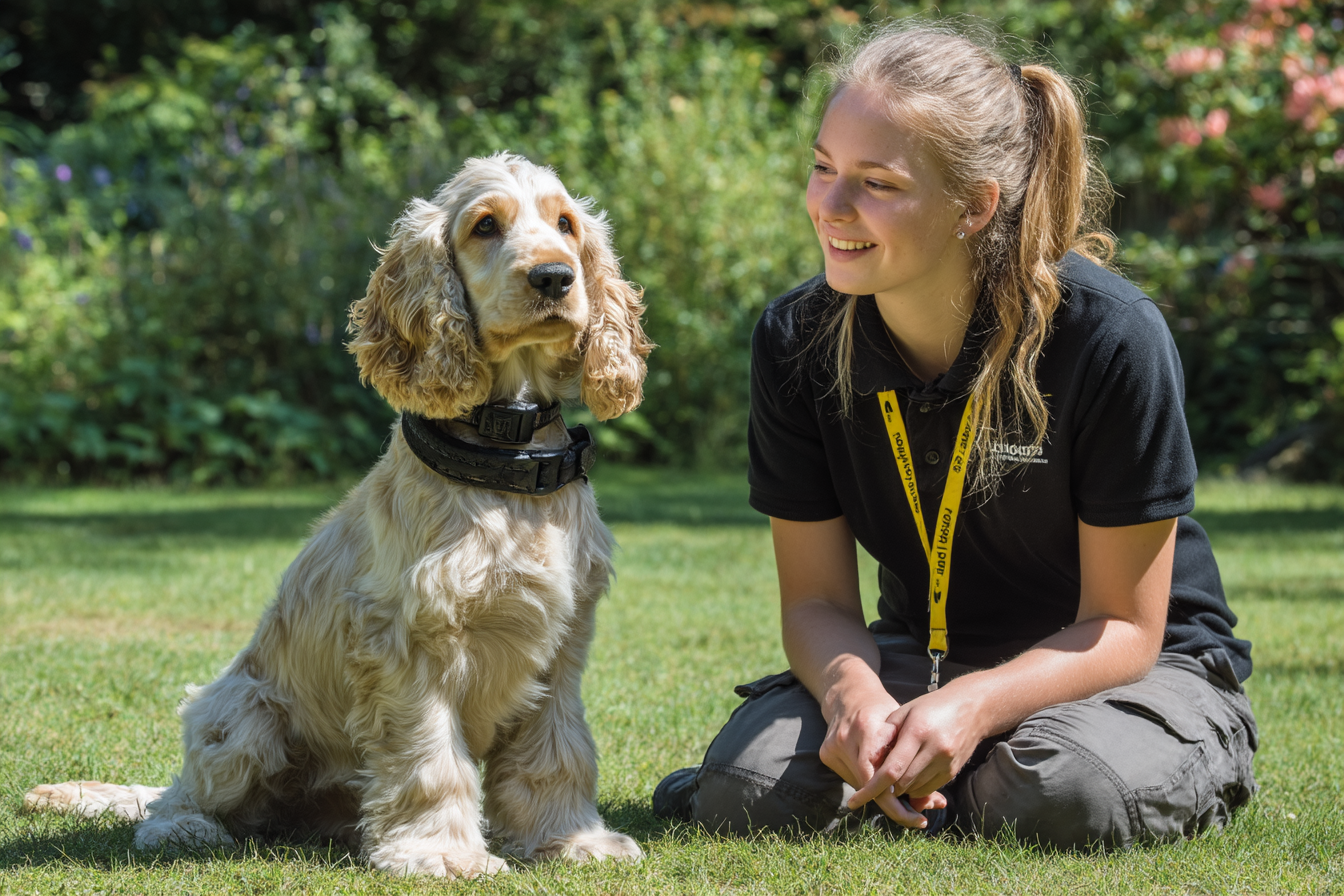
Welcoming a new puppy into your home is an exciting time, but the reality of housetraining can quickly lead to sleep deprivation for new owners. If you’re finding yourself waking up multiple times a night to a 9-week-old Cocker Spaniel who needs to go outside, or dealing with occasional accidents despite using pee pads in his crate, you’re not alone. This guide offers practical advice to help you navigate this challenging stage and regain your sleep.
Understanding Puppy Housetraining and Crate Training
Crate training is an invaluable tool for housetraining puppies and preventing destructive behaviors. The fundamental principle is that dogs naturally avoid soiling their sleeping area. To be effective, the crate must be appropriately sized for your puppy, allowing him only enough space to comfortably lie down, stand up, and turn around. A crate that is too large can inadvertently teach your puppy that it’s acceptable to potty in one section while sleeping in another, defeating the purpose of confinement. Many crates come with dividers, allowing you to adjust the size as your puppy grows.
Addressing “Dirty Dogs” and Crate Accidents
In some cases, puppies may have been raised in environments where they were accustomed to living in their own waste. These “dirty dogs” might not exhibit the typical aversion to soiling their sleeping space. For such puppies, a puppy playpen can be a useful tool. Setting up a pen with potty pads and placing the crate inside with the door open can encourage your puppy to use the pad when they need to eliminate outside of their crate. This approach can help prevent the habit of soiling the crate itself. If your puppy has had more than three accidents in his crate over consecutive nights, a puppy pen setup is recommended until this issue is resolved.
Alternative Confinement Strategies
If a full puppy pen setup isn’t feasible, consider confining your puppy to a smaller, easy-to-clean area such as a laundry room or bathroom. Utilize baby gates and additional puppy pens to create a contained space. Similar to the pen setup, include a crate with its door open for sleeping and place a potty pad or two on the floor.
Maintaining a Clean Crate Environment
It is crucial to clean up any accidents inside the crate immediately with an enzymatic cleaner. Lingering odors of urine or feces can encourage your puppy to have more accidents in the same spot. Some owners have found success by removing the bedding from the crate, as some puppies are more attracted to soft surfaces for elimination.
Potty Training Tips for Young Puppies
Puppies, especially at nine weeks old, have limited bladder control. A common issue is a puppy urinating outside and then immediately doing so again inside. A helpful tip to address this is to allow your puppy to stay outside for a few extra minutes after they have finished their business, ensuring they have fully emptied their bladder. This practice can also prevent dogs from delaying urination outdoors, knowing they will have to go again shortly after returning inside. Allowing them a few minutes of free play outside can help create a positive association and prevent this behavior. As your puppy matures and is gradually required to hold their bladder for longer periods, their control will naturally improve.
Prioritizing Sleep vs. Rapid Training
Ultimately, your approach will depend on your immediate priorities. If your primary goal is to train your puppy as quickly as possible, waking up to take him out during the night is the most effective action. Observe if your puppy has a usual time for needing to go out, and set an alarm accordingly. If accidents persist, try setting the alarm for an hour earlier to see if that makes a difference. However, if your immediate need is to get more sleep, the potty pad and pen setup offers a viable temporary solution. Remember, it’s perfectly acceptable to do what you need to do to get through these demanding initial days. The long-term impact of a temporary adjustment is minimal.
Realistic Expectations for Overnight Success
The good news is that your puppy will likely improve his ability to hold his bladder soon. While every puppy is different, most can manage to go through the night without needing an early morning or late-night potty break once they reach around 10 weeks of age. Some puppies, like the author’s own, start sleeping through the night closer to three months old. Consider implementing a rotation system with your partner, taking turns being the designated puppy-watcher for nighttime potty breaks.
The Journey of Puppyhood
Having a puppy is akin to caring for a newborn baby; while they may not be entirely as helpless, they require constant attention and care for a significant period. Potty training, while simple in concept, can be practically challenging. Mistakes are inevitable, but view them as learning opportunities and persevere with consistency in scheduling and supervision. Your puppy will eventually master this skill with your patient guidance. Good luck with your housetraining journey!
Until next time,
Crystal