
Caring for your dog’s health involves various aspects, and ear care is a crucial, often overlooked, part of their well-being. Ear infections are a prevalent issue in dogs, frequently stemming from underlying conditions like allergies, ear mites, or specific ear shapes common in certain breeds. While veterinary treatment is essential, at-home ear cleaning plays a significant role in managing these infections and preventing recurrence. This guide will walk you through why ear cleaning is vital, how to perform it safely at home, and what to look for when checking your dog’s ears.
The Importance of Ear Cleaning for Infected Ears
Cleaning your dog’s ears is more than just a hygiene routine; it’s a critical step in treating ear infections. Ear infections, often caused by bacteria or yeast, can lead to discomfort and pain for your canine companion. When an infection is present, the ear canal typically accumulates abnormal debris, bacteria, and yeast. This buildup can act as a barrier, preventing topical medications from effectively reaching and treating the infection.
Furthermore, certain types of ear discharge, like pus, can even inactivate the medications prescribed by your veterinarian, rendering them ineffective. If debris is deeply packed within the ear canal, it can obscure your veterinarian’s view, making it challenging to assess the health of the eardrum and the full extent of the infection. Regular cleaning helps to reduce this debris, allowing medications to work more efficiently and promoting a faster recovery. If your dog suffers from recurrent ear infections, consistent cleaning can also be a valuable part of a long-term management strategy. For effective management of ear issues, understanding dog skin diseases medicine can also be beneficial.
How to Clean Your Dog’s Ears Safely at Home
The ears are sensitive organs, so it’s essential to approach ear cleaning with gentleness and patience. Making the experience positive for your dog through positive reinforcement, such as offering their favorite treats, can significantly reduce their stress. Consider performing the cleaning outdoors or having a towel readily available to manage any potential mess from the ear cleaning solution.
Follow these steps for effective and safe at-home ear cleaning:
- Apply the cleaning solution: Gently fill your dog’s ear canal with a veterinarian-approved ear cleaning solution. If your dog is hesitant about having the solution squirted directly into their ear, you can try saturating cotton pads or balls with the solution instead.
- Massage the ear base: With the solution in the ear, gently massage the base of the ear for about 20-30 seconds. This helps to loosen any debris or wax.
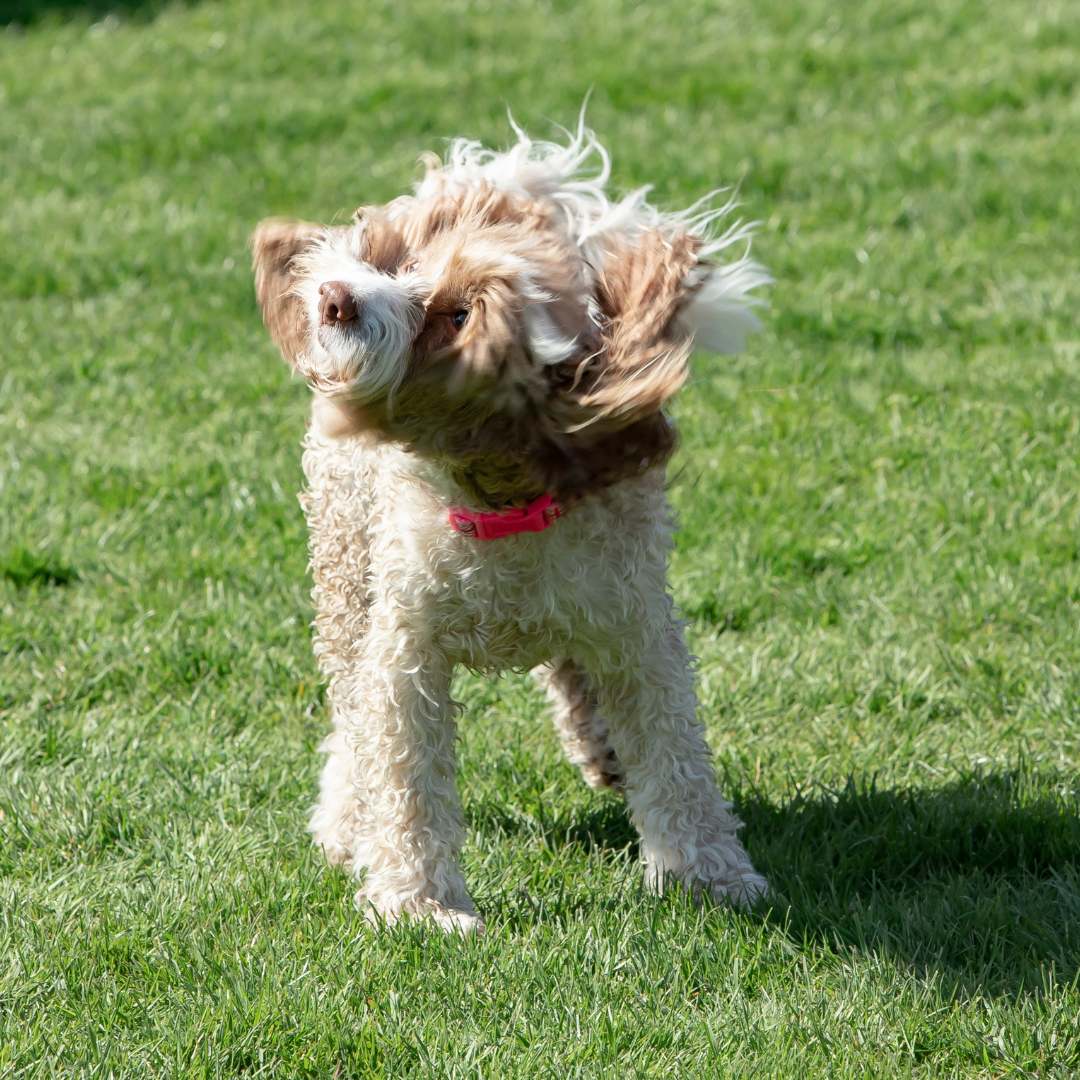
- Loosen debris: Prepare for your dog to shake their head, which is a natural response that helps dislodge loosened debris.
- Wipe away debris: Using clean cotton pads or cotton balls, gently wipe away any visible debris from the inside of the ear flap and the entrance of the ear canal. It’s important to clean only as far as your finger can comfortably reach, typically about one knuckle’s depth. Crucially, avoid using cotton swabs (Q-tips), as these can push debris deeper into the ear canal and potentially cause injury.
If your dog shows signs of pain or significant discomfort during the cleaning process, stop immediately and consult your veterinarian. In cases of severe infections, your vet might advise delaying at-home cleaning for the first few days of treatment to allow the prescribed medication to reduce inflammation and pain first. Some dogs may benefit from specialized treatments if allergies are the root cause, and exploring home remedies for dog allergies scratching could be a complementary approach.
Choosing the Right Ear Cleaner
The market offers a variety of ear cleaning solutions, each designed for different purposes, from removing waxy buildup to routine maintenance and aiding in infection treatment. When selecting a cleaner, it’s generally advisable to avoid products containing alcohol or hydrogen peroxide, as these can be irritating to a dog’s sensitive ear canals. If your dog has a diagnosed ear infection, your veterinarian is the best resource for recommending the most appropriate ear cleaning solution that will effectively complement their prescribed treatment.
Determining the Frequency of Ear Cleaning
The ideal frequency for cleaning your dog’s ears largely depends on their individual needs. For treating an active ear infection, cleaning might be recommended daily or every other day, as directed by your veterinarian. For routine maintenance in dogs prone to ear issues, cleaning every one to two weeks might suffice.
Dogs with specific ear conformations, such as those with long, floppy ears that don’t allow for much air circulation, or those with a history of allergies or recurrent ear infections, may require more frequent cleaning. For dogs with healthy ears and no predisposition to problems, cleaning is typically only necessary when you notice dirt or debris. Overcleaning can also lead to irritation, so it’s important to strike a balance. A routine ear cleaning is also a good practice after your dog gets wet, such as after swimming or bathing, to help dry out the ear canal and prevent moisture buildup.
Recognizing the Signs of an Ear Infection
Regularly checking your dog’s ears is key to early detection and treatment of potential problems. Be on the lookout for the following common signs of an ear infection:
- Redness: The ear canal may appear inflamed and red.
- Itching: Your dog may excessively scratch one or both ears.
- Headshaking: Frequent or persistent headshaking can indicate irritation.
- Discharge or wax: An increase in ear discharge or a change in wax appearance (color, consistency) is a significant sign.
- Odor: A foul or unusual smell emanating from the ear is often indicative of infection.
- Discomfort: Your dog may show pain or reluctance when you try to touch their ears.
If you observe any of these symptoms, it’s crucial to contact your veterinarian promptly. Some of these signs can also be present in dogs experiencing allergic ear disease, even in the absence of a bacterial or yeast infection. Early veterinary intervention is vital for effective treatment and to prevent the infection from worsening. Dogs can sometimes suffer from fungal issues, and knowing about antifungal medication for dogs can be helpful for broader awareness.
A Note on Mites: If ear mites are suspected, prompt treatment is essential. Consult your vet for the best treatment for mites on dogs.