
When your beloved dog or cat requires surgery, the prospect can be stressful for any pet owner. The worry about your companion’s comfort, the risks of anesthesia, and the recovery period are all valid concerns. At advanced veterinary centers, the focus has shifted toward techniques that prioritize your pet’s well-being at every stage. Modern veterinary medicine now offers sophisticated, minimally-invasive surgical options that mirror the technology used in human hospitals. These procedures are designed to reduce pain, minimize scarring, and get your pet back to their happy, healthy self as quickly as possible.
This article explores the world of advanced pet surgery, from routine spays and neuters to complex internal procedures, highlighting how cutting-edge techniques like laparoscopy and endoscopy are transforming veterinary care. Understanding these options can help you make informed decisions about your pet’s health.
Understanding Minimally Invasive Surgery for Pets
For decades, traditional pet surgery meant large incisions, significant post-operative pain, and extended recovery times. While effective, these open procedures involved a considerable amount of trauma to the surrounding tissues. Today, minimally invasive surgery (MIS) is changing that landscape. Using specialized tools, veterinary surgeons can perform complex procedures through tiny incisions, often no more than a centimeter long.
At the heart of this approach is the use of an endoscope or laparoscope—a thin tube equipped with a high-definition camera and light source. The surgeon inserts this device through a small incision, and the camera projects a magnified, crystal-clear image of the surgical area onto a large monitor. This allows the veterinarian to see with greater precision than what is possible with the naked eye in an open surgery. Because the incisions are so small, there is less trauma to the body, which translates directly to a better experience for your pet.
The Key Benefits of Laparoscopic and Endoscopic Surgery
The advantages of choosing a veterinary hospital equipped for laparoscopic animal surgery are numerous and directly impact your pet’s health and your peace of mind. These benefits are not just incremental improvements; they represent a significant leap forward in veterinary care.
- Reduced Pain and Discomfort: Smaller incisions cause significantly less trauma to muscles and nerves. Studies have shown that pets undergoing laparoscopic spays require up to 65% less pain medication than those undergoing traditional open surgery.
- Faster Recovery Times: With less surgical stress, pets often return to their normal activity levels much sooner. Many pets are up and moving comfortably within a day, compared to the longer recovery periods associated with traditional methods.
- Lower Risk of Infection: The smaller wounds from minimally invasive dog surgery are easier for pet owners to keep clean at home, dramatically reducing the risk of post-surgical infections.
- Less Scarring and Blood Loss: The precision of the instruments and the small incisions result in minimal scarring and, in many cases, less blood loss during the procedure.
- Better Visualization: The magnified view provided by the endoscopic camera allows surgeons to see intricate details of organs and tissues, leading to more precise and safer operations.
Laparoscopic Spay: A Modern Approach to a Common Procedure
The spay (ovariohysterectomy) is the most common elective surgery performed on female dogs and cats. While traditional spays have been performed successfully for decades, they involve a significant abdominal incision and the removal of both the ovaries and the uterus. Laparoscopic spay is a revolutionary advancement that changes this paradigm.
In a laparoscopic spay, the surgeon makes two tiny incisions, each about half an inch. Through these incisions, they use the camera to locate and remove only the ovaries. This approach offers several profound benefits. Because the uterus is left intact, there is no risk of complications like uterine infections, which can occur after a traditional spay. The smaller incisions mean less post-operative pain, and the reduced tissue trauma allows for a much faster return to normal activity. This modern technique removes the source of hormones and the possibility of pregnancy without the invasiveness of a full abdominal surgery.
Proactive Care: Laparoscopic Gastropexy for Bloat Prevention
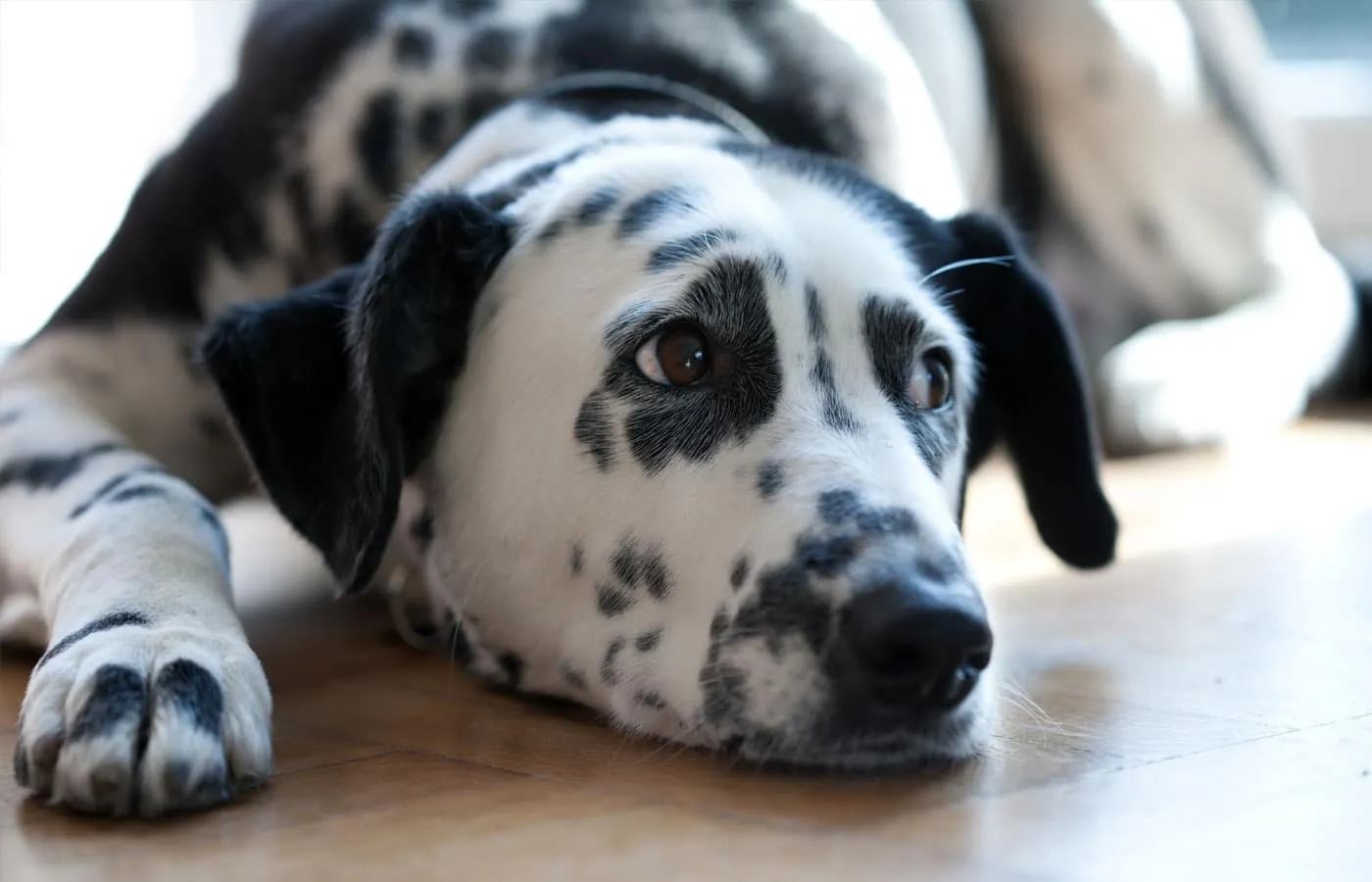
For owners of large, deep-chested dog breeds, Gastric Dilatation-Volvulus (GDV), commonly known as bloat, is a terrifying and life-threatening concern. GDV occurs when a dog’s stomach fills with gas and then twists on itself, cutting off blood supply and preventing the dog from vomiting or belching. Without immediate emergency surgery, this condition can be fatal within hours.
Preventative laparoscopic gastropexy is a proactive solution for at-risk breeds. During this procedure, performed most often during a spay or neuter, the surgeon tacks the stomach to the abdominal wall. This prevents the stomach from being able to twist if it becomes distended. While it doesn’t prevent the stomach from filling with gas, it stops the deadly rotation. The laparoscopic approach means this preventative surgery can be done with the same small incisions and fast recovery as a laparoscopic spay, giving peace of mind to owners of breeds like Great Danes, Standard Poodles, and German Shepherds.
Specialized Procedures: Rhinoscopy, Cystoscopy, and Cryptorchid Neuter
The benefits of minimally invasive techniques extend beyond abdominal surgery to include specialized diagnostic and therapeutic procedures.
Rhinoscopy: Examining the Nasal Passages
Pets, especially dogs, explore the world with their noses, which can lead to inhaled foreign bodies like grass seeds or foxtails. These can cause chronic sneezing, nasal discharge, and even bleeding. Rhinoscopy uses a rigid endoscope to explore the deep nasal passages. This allows the veterinarian to visualize and often retrieve foreign objects or obtain biopsies of suspicious growths, all without the need for a more invasive surgery. The procedure is performed under general anesthesia to ensure the pet is comfortable and does not sneeze during the exam.
Cystoscopy: A Window into the Bladder
If your pet is showing signs of a urinary issue—such as blood in the urine, straining to urinate, or recurrent infections—cystoscopy can be an invaluable diagnostic tool. A small camera is passed through the urethra and into the bladder to get a detailed, magnified view of the interior. This allows the vet to diagnose the cause of the problem, whether it’s bladder stones, polyps, or tumors. In many cases, especially in female dogs, bladder stones can be removed during the cystoscopy itself without the need to cut into the bladder wall. This minimally invasive approach leads to a much faster recovery compared to traditional bladder surgery.
 Close-up image of yellowish stones with overlaid text reading,
Cryptorchid Neuter: Locating Retained Testicles
In some male puppies, one or both testicles fail to descend into the scrotum, a condition known as cryptorchidism. The retained testicle(s) can be located in the abdomen or groin and have a higher risk of developing cancer later in life. Traditional surgery to locate and remove these testicles often involved a “blind search” and a long incision. Laparoscopic-assisted cryptorchid neuter allows the surgeon to use a camera to easily locate the retained testicle, ensuring complete removal with smaller incisions, shorter anesthesia time, and less post-operative pain.
The Importance of Comprehensive Veterinary Care
Advanced surgical options are just one part of a complete approach to pet health. Proactive wellness care is the foundation for a long and healthy life. Regular veterinary visits should include annual wellness exams to catch potential problems early. These exams often include discussions about appropriate vaccinations, parasite prevention, and dental health, which is a critical component of overall wellness.
Dental problems, if left untreated, can lead to pain, tooth loss, and can even contribute to more serious systemic health issues affecting the heart, liver, and kidneys. A comprehensive dental cleaning, often involving anesthesia to allow for a thorough cleaning below the gum line, is essential for maintaining your pet’s oral health.
For senior pets, specialized geriatric care becomes even more crucial. Older animals may face challenges such as arthritis, hearing or vision loss, or internal organ issues. A senior wellness exam allows your veterinarian to tailor a care plan that manages these age-related conditions, ensuring your pet’s golden years are comfortable and happy.
Your Partner in Pet Health
The world of veterinary medicine has evolved to offer solutions that are not only effective but also focused on minimizing stress and discomfort for your pet. From advanced laparoscopic procedures that reduce pain and recovery time to diagnostic tools like endoscopy and rhinoscopy that provide clear answers without major surgery, the focus is on compassionate, high-quality care. By understanding these options and partnering with a veterinary team that utilizes modern technology, you can ensure your dog or cat receives the best possible medical care throughout their life.