
Breaking into the automotive repair industry no longer means sitting in a classroom every day. With an automotive mechanics technician online course, aspiring technicians can now learn to inspect, diagnose, and repair vehicles from the comfort of home, at a pace that fits their own schedule. This flexible, self-directed training model is reshaping how people enter the skilled trades, giving career-changers, parents, and working adults a realistic route into the automotive field without putting their current responsibilities on hold.
A Flexible, Self-Paced Learning Model
Traditional automotive training programs. Online technician training breaks that mold by letting students begin the moment they’re admitted, using a digital, interactive platform rather than a static textbook. Students typically have up to a full year to complete the coursework, which means the pace can adapt around work shifts, family obligations, or other commitments rather than forcing learners into a rigid weekly schedule.

This kind of platform is often built around a game-based, interactive format that is regularly updated so the content stays aligned with current vehicle technology. That matters in an industry where diagnostic tools, onboard computer systems, and vehicle electronics evolve constantly. A well-maintained online curriculum helps ensure graduates aren’t learning outdated repair methods on vehicles that have already moved on technologically.
Support is another key piece of the online model. Many programs pair self-paced study with direct instructor access, typically through email, so students aren’t left guessing when they hit a difficult module. A response window of around 24 hours keeps momentum going without requiring students to wait for a scheduled class or office hours.
What the Curriculum Covers
A comprehensive automotive mechanics program is built to take a student from foundational safety knowledge through advanced diagnostic and repair skills. A typical course outline progresses logically through the systems that make up a modern vehicle:
- Introduction to Automotive Service, Safety and Tools
- Preventive Maintenance
- Wheels and Tires
- Suspension Systems
- Steering Systems
- Wheel Alignment
- Brake Systems and ABS Brakes
- Drive Line
- Electrical Fundamentals
- Starting Systems
- Charging Systems
- Supplemental Restraint Systems (SRS)
- Engine Mechanical
- Engine Performance
- On-Board Diagnostic Systems
- Manual Transmissions and Transaxles
- Automatic Transmissions
- HVAC Systems and Climate Control
- Electric Drive
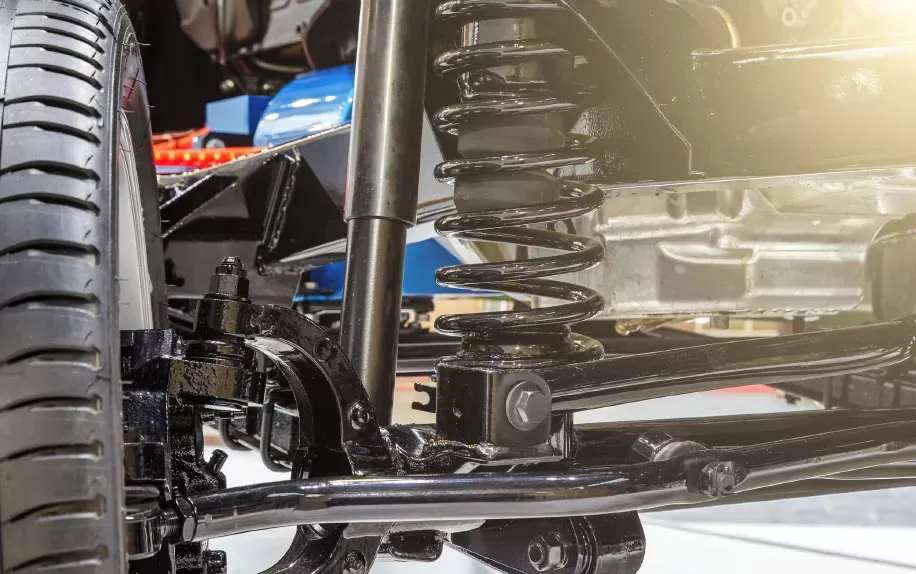
This sequencing mirrors how vehicles are actually approached in a professional shop: starting with safety and hand tools, moving into chassis and suspension work, then progressing to electrical systems, engine performance, and finally the more complex diagnostic and transmission systems. Notably, the inclusion of an Electric Drive module reflects the industry’s ongoing shift toward hybrid and electric vehicles, an area where demand for qualified technicians is growing quickly as automakers expand their EV lineups.
Why Electrical and Diagnostic Training Matter
Modern vehicles are as much rolling computers as they are mechanical machines. That’s why modules like Electrical Fundamentals, Starting Systems, and On-Board Diagnostic Systems carry so much weight in a well-rounded curriculum. Technicians who understand how a vehicle’s electrical architecture and onboard sensors communicate are far better equipped to accurately diagnose the intermittent, hard-to-pin-down issues that make up a large share of real-world repair work.
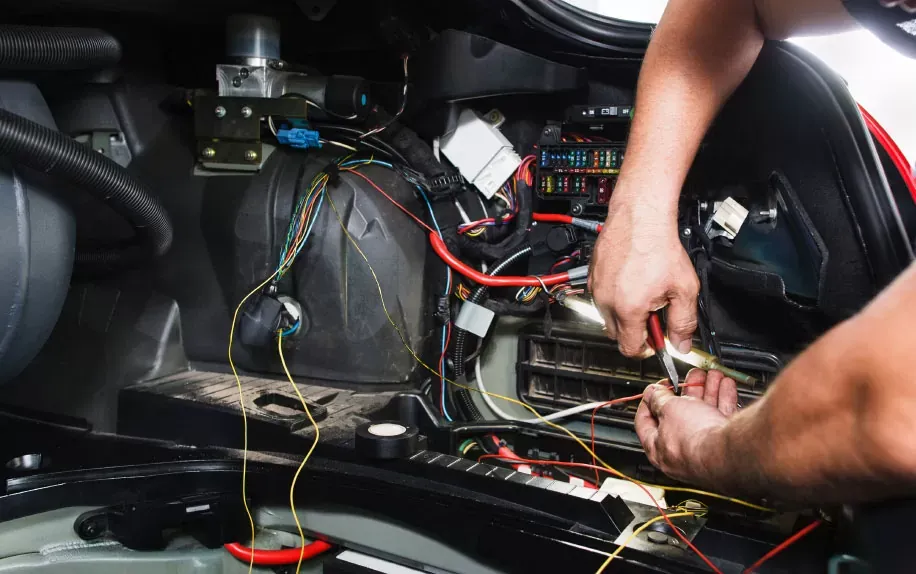
Brake systems and ABS training round out this foundation by covering one of the most safety-critical areas of vehicle maintenance. Technicians who graduate with solid competency across mechanical, electrical, and diagnostic systems are positioned to handle the broad range of tasks that come up daily in general repair shops, dealership service departments, and specialty garages alike.
Certification and Career Outcomes
On successful completion of the program, graduates typically receive a formal Automotive Mechanic/Technician certificate. This credential signals to employers that a candidate has covered the full breadth of core automotive systems, from tires and suspension to engine performance and climate control, rather than a narrow slice of the trade.
For anyone weighing whether online automotive training is the right fit, the appeal generally comes down to three things: flexibility to study around an existing schedule, a curriculum that mirrors what’s actually needed on the job, and direct instructor support to keep learners from getting stuck. Combined, these elements make online technician training a practical option for people who might not otherwise be able to attend an in-person program.
Final Thoughts
Choosing to train as an automotive technician online is a meaningful step for anyone drawn to hands-on, mechanically minded work but constrained by time, location, or existing commitments. A structured, system-by-system curriculum, backed by instructor support and a flexible completion timeline, gives students a realistic path toward a recognized certificate and a trade that remains in steady demand. If you’re weighing your options for entering the automotive repair field, take the time to compare program structures, module coverage, and support offerings before enrolling, and consider reaching out to training providers directly with questions about scheduling and course content.
References
- Automotive Training Centre. (n.d.). Distance Automotive Mechanics Technician. Retrieved from https://www.autotrainingcentre.com/
- Automotive Training Centre. (n.d.). Automotive Online Training Programs. Retrieved from https://www.autotrainingcentre.com/automotive-online-training/