
Every dog parent knows the feeling: it’s 9pm, your pup has an upset stomach or a mysterious itchy patch, and your vet’s office is closed until morning. While a trip to the veterinarian should always be your first call for anything serious, there are several safe, vet-approved home remedies for dogs that can offer relief while you wait for an appointment—or that may resolve mild issues on their own. Knowing which situations are safe to manage at home, and which ones absolutely require professional care, can make a real difference in your dog’s comfort and recovery.
Conditions That May Benefit From Home Care
Mild diarrhea or mucus in the stool. A short bout of loose stool doesn’t always mean an emergency vet visit. If your dog is otherwise eating and acting normally, a temporary bland diet of boiled chicken, turkey, or beef combined with rice (in a 2:1 rice-to-meat ratio) can give the intestines time to rest and heal. Avoid roasting or frying the meat, since the added fat can trigger pancreatitis. This diet shouldn’t be fed longer than a week for adult dogs, or two to three days for puppies. Adding probiotics or canned pumpkin puree can also help firm up the stool. If diarrhea doesn’t improve, or if you notice blood, vomiting, or appetite loss, call your vet promptly.
Hot spots. These sudden, inflamed skin lesions are especially common in thick-coated breeds like Golden Retrievers and German Shepherds. The most important step is stopping your dog from licking or scratching the area—a recovery cone is highly effective for this. Trimming the fur around the lesion with electric clippers (never scissors) can help it breathe and heal faster, and a medicated wipe or mousse can reduce the bacteria and yeast that make hot spots worse. Never bandage a hot spot, as trapping moisture against the skin only delays healing and can worsen infection.
Itchy, dry, or irritated skin. Oatmeal-based, fragrance-free shampoos are a gentle first step for dogs with mild skin irritation. For more stubborn cases, your vet may recommend an antiseptic shampoo containing chlorhexidine.
Allergies. Dogs experience seasonal allergies much like people do, with symptoms like sneezing, mild clear eye discharge, and itching. Vet-approved antihistamines such as diphenhydramine or cetirizine (without decongestants) can help, but dosing must come from your veterinarian since human dosages don’t apply to pets. Yellow or green discharge, squinting, or appetite changes are signs that antihistamines alone won’t be enough—these warrant a vet visit.
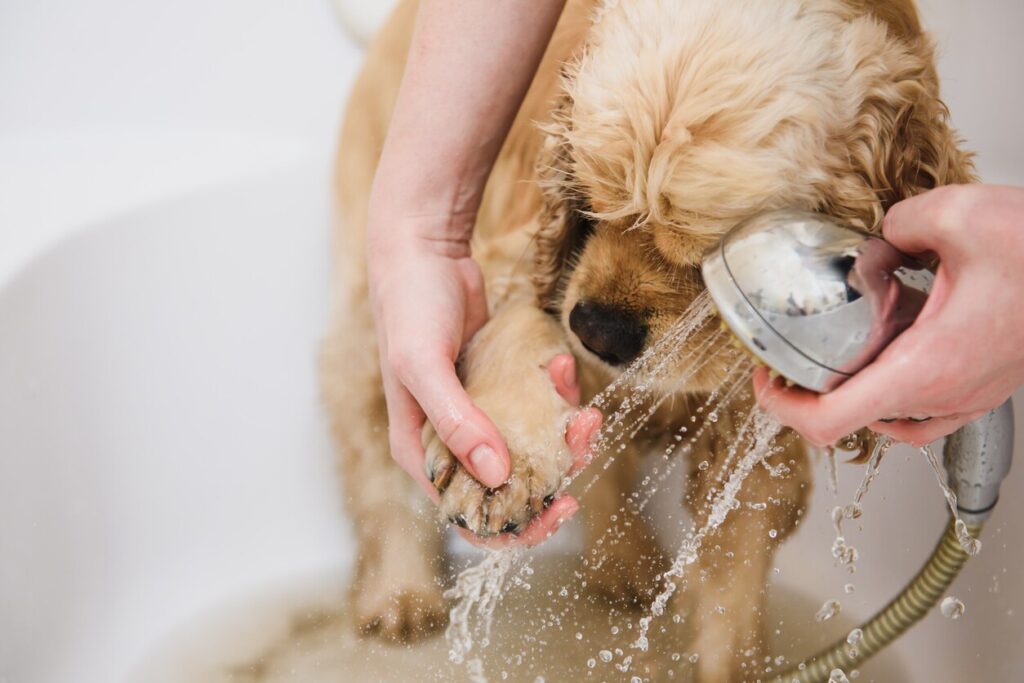
Excessive paw licking. Occasional licking is normal, but excessive licking that leads to irritation or fur discoloration usually points to allergies or contact irritants. Epsom salt soaks for 5–10 minutes once daily can wash away allergens and soothe the skin, and medicated wipes offer additional relief. Dogs with more severe irritation may need a recovery cone for a few days while healing.
Ear debris. Mild waxy buildup without severe itching or head shaking can often be managed with a proper ear wash designed specifically for the ear canal. Never use vinegar, hydrogen peroxide, alcohol, or coconut oil in your dog’s ears, as these can worsen inflammation. If you have an upcoming vet visit, avoid cleaning the ears for 48 hours beforehand so your vet can get an accurate read on what’s happening. And never use cotton swabs, which risk damaging the inner ear.
Fleas. With so many effective flea-control products now available, home treatment is rarely necessary. For puppies too young or small for approved medications, a Dawn dish soap bath can kill adult fleas on contact, though a proper flea medication is still needed to fully resolve the problem. Products are approved for puppies as young as 6 weeks and as small as 2 pounds—ask your vet which is right for your pup.
Gas and flatulence. Often linked to diet and eating habits rather than illness, gas can result from dogs gulping their food and swallowing air. This is especially common in brachycephalic (short-nosed) breeds. Small, frequent meals or a slow-feeder bowl can help, along with a high-quality, easily digestible diet. Probiotic supplements may also support digestive health.
When Home Remedies Are Not Enough
Some symptoms should never be treated at home, since delaying proper veterinary care can make treatment more difficult or put your dog at serious risk. These include persistent bad breath (which may signal periodontal disease), black or bloody stool, bleeding from the anus, a bloated or distended stomach (a potential emergency called GDV), and blood in the urine.
Other red-flag issues include a cough lasting more than a week, dermatitis or suspected mange or ringworm, ear mites, eye discharge or redness, unexplained hair loss, ongoing vomiting or loss of appetite, signs of pain such as limping, and intestinal worms. Each of these conditions can have several very different underlying causes—some benign, some serious—and only a veterinarian can run the right tests to diagnose and treat them appropriately.
The Bottom Line
Home remedies for dogs can be a genuinely helpful tool for managing mild, everyday issues like minor digestive upset, occasional itchiness, or a small hot spot. But they’re not a substitute for veterinary care, especially when symptoms persist, worsen, or come with warning signs like blood, lethargy, or appetite changes. Always consult your veterinarian before starting any new treatment, and don’t hesitate to call if you’re ever unsure whether a situation warrants a professional visit—when it comes to your dog’s health, it’s always better to ask.