
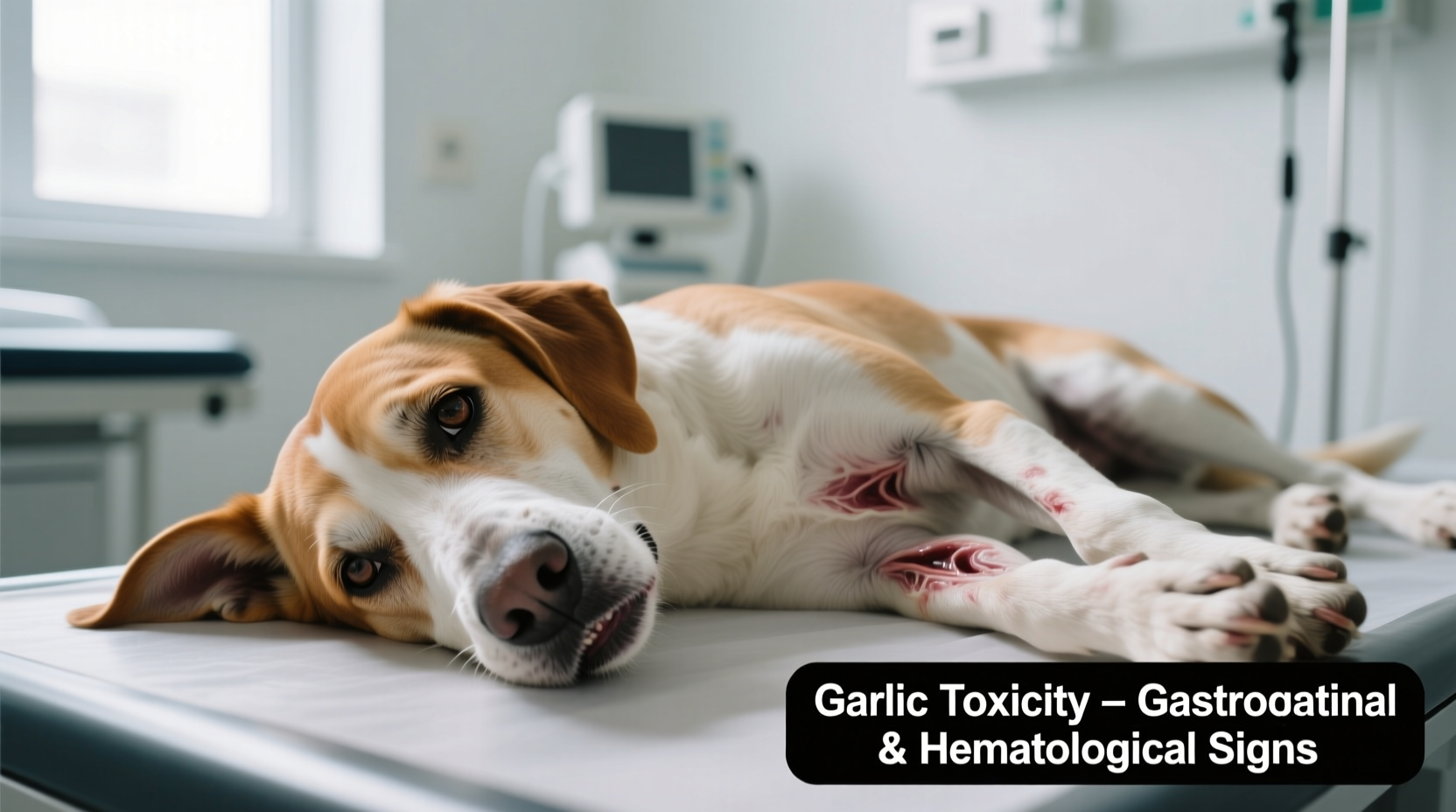
Methocarbamol is a vital medication for managing muscle spasms, tremors, and stiffness in dogs. However, like all potent drugs, it carries risks, especially when administered improperly. Understanding the nuances of its effects, from normal side effects to critical signs of toxicity, is paramount for every dog owner. Prompt recognition and action can be the difference between a manageable situation and a life-threatening emergency. This guide will delve into the intricacies of methocarbamol toxicity in dogs, empowering you with the knowledge to protect your beloved pet.
Understanding Methocarbamol and Its Use in Dogs
Methocarbamol functions as a muscle relaxant by impacting the central nervous system, thereby reducing excessive muscle activity. It is frequently prescribed by veterinarians to alleviate discomfort associated with conditions such as back pain, muscle strains, and post-operative recovery. When administered precisely as directed by a veterinarian, methocarbamol offers significant relief and aids in the recovery process for many canine companions.
When Methocarbamol Overdose Becomes an Emergency
An overdose of methocarbamol can rapidly escalate into a critical situation, demanding immediate veterinary intervention. Severe symptoms such as profound lethargy, labored breathing, uncontrolled muscle tremors, or complete collapse are clear indicators of an emergency. If you suspect your dog has ingested too much methocarbamol, contacting your veterinarian or an emergency animal hospital without delay is crucial. Swift medical attention dramatically improves the prognosis for affected dogs.
The Onset of Toxic Symptoms
The timeline for the appearance of methocarbamol toxicity symptoms can vary. Signs may emerge as quickly as 30 minutes after ingestion, or they might develop gradually over several hours. Factors influencing the speed of onset include the quantity of medication ingested, the dog’s age, size, and overall health status. Some dogs may exhibit symptoms almost immediately, while others show a more delayed reaction.
Potential Drug Interactions
The dangers of methocarbamol are amplified when combined with other medications that affect the central nervous system. Concurrent use with sedatives, tranquilizers, pain relievers, or anti-anxiety drugs can intensify methocarbamol’s depressant effects. This potentiation can lead to severe sedation, respiratory depression, and other life-threatening complications. It is imperative to inform your veterinarian about all medications, supplements, and treatments your dog is currently receiving.
Causes of Methocarbamol Toxicity
Methocarbamol toxicity occurs when the concentration of the drug in a dog’s bloodstream reaches excessively high levels, overwhelming the central nervous system. This can stem from several scenarios:
- Accidental Overdose: Administering more medication than prescribed.
- Unsupervised Access: A curious dog gaining access to and ingesting the medication container.
- Incorrect Dosing: Errors in calculating or administering the correct dosage.
- Compromised Organ Function: Dogs with pre-existing liver or kidney conditions may metabolize and excrete the drug less efficiently, making them more susceptible to toxicity.
Recognizing Mild Methocarbamol Toxicity
In milder cases of methocarbamol toxicity, symptoms might be subtle and include:
- Slight Drowsiness: The dog may appear more tired than usual.
- Mild Coordination Issues: A noticeable unsteadiness when walking or moving.
- Temporary Muscle Weakness: A slight decrease in muscle strength.
These symptoms often resolve within 24 to 48 hours with appropriate supportive care. However, even mild signs warrant a call to your veterinarian for professional guidance.
Identifying Serious Methocarbamol Toxicity
Severe methocarbamol toxicity necessitates urgent veterinary care. Key indicators include:
- Profound Sedation: The dog is extremely drowsy and difficult to rouse.
- Inability to Stand or Collapse: Complete loss of motor control.
- Vomiting: A common sign of distress.
- Rapid or Labored Breathing: Difficulty breathing indicates respiratory compromise.
- Muscle Tremors or Seizures: Uncontrolled muscle activity or convulsions.
- Pale Gums: Suggests poor circulation or oxygenation.
- Extreme Lethargy: Unusually low energy levels.
Any of these symptoms should prompt an immediate visit to a veterinary clinic.
Immediate Steps to Take During a Suspected Overdose
Step 1: Contact a Veterinary Clinic Immediately
Your first and most critical action is to call your veterinarian or the nearest emergency veterinary hospital. Clearly describe your dog’s symptoms and provide details about the suspected amount of methocarbamol ingested. Inquire about immediate availability and estimated wait times before en route.
Step 2: Prepare Medication Information
If possible, bring the methocarbamol bottle or packaging to the veterinary clinic. This provides essential information about the drug’s formulation and strength. Note the time of the last known administration or when the overdose is believed to have occurred.
Step 3: Safe Transportation
Transport your dog to the clinic with utmost care. For smaller dogs, a secure carrier is recommended. For larger breeds, a well-fitted harness and leash are essential. Maintain a calm and quiet environment during transport to minimize stress, which can exacerbate symptoms.
Understanding Life-Threatening Complications
Severe methocarbamol toxicity can lead to severe respiratory depression, where breathing becomes dangerously slow, shallow, or even ceases. This critical lack of oxygen can rapidly cause organ damage and become fatal without immediate respiratory support. Profound sedation can escalate to a comatose state in extreme overdose scenarios.
Pre-Veterinary Care and Comfort Measures
Symptom Management
While preparing for transport to the veterinarian, ensure your dog is in a safe, quiet, and comfortable resting place. If vomiting has occurred, withhold food temporarily. Offer small sips of water if your dog is alert enough to drink, but consult your veterinarian for specific instructions regarding food and water intake.
Providing Emotional Support
Maintain a calm demeanor, as your anxiety can transfer to your dog. Speak in soft, soothing tones. Minimize unnecessary movement, as exertion can worsen symptoms. If your dog is excessively drowsy, position them on their side with their head slightly extended to help maintain an open airway.
Preventing Future Methocarbamol Toxicity
Secure Medication Storage
All medications, including methocarbamol, must be stored securely in a location inaccessible to pets. Utilize child-proof caps and store them in locked cabinets or high shelves. Avoid using pill organizers, as these can often be accessed by inquisitive pets. Dispose of any expired or unused medications properly and promptly.
Verifying Correct Dosage
Always confirm the precise dosage instructions with your veterinarian before administering any medication. For liquid medications, use only the provided veterinary-approved measuring device, not household spoons, to ensure accuracy. Never administer medication prescribed for one pet to another, and always seek veterinary guidance before using human formulations on animals.
Expert Care for Your Dog
Our veterinary hospitals are equipped to handle emergencies, including methocarbamol toxicity. Our experienced teams can rapidly assess your dog’s condition and implement the most effective treatment plan. For less severe symptoms, your primary veterinarian can offer guidance during regular business hours. However, for critical signs like difficulty breathing or seizures, immediate transport to an emergency veterinary hospital is paramount. When in doubt, do not hesitate to contact us; we are here to provide expert advice and support.
Key Takeaways
- Methocarbamol is a valuable therapeutic agent for dogs when used under strict veterinary supervision.
- Promptly recognize the spectrum of toxicity signs, from mild drowsiness to severe respiratory distress, and seek immediate veterinary care if an overdose is suspected.
- Prioritize the secure storage of all medications to prevent accidental ingestion by pets.