
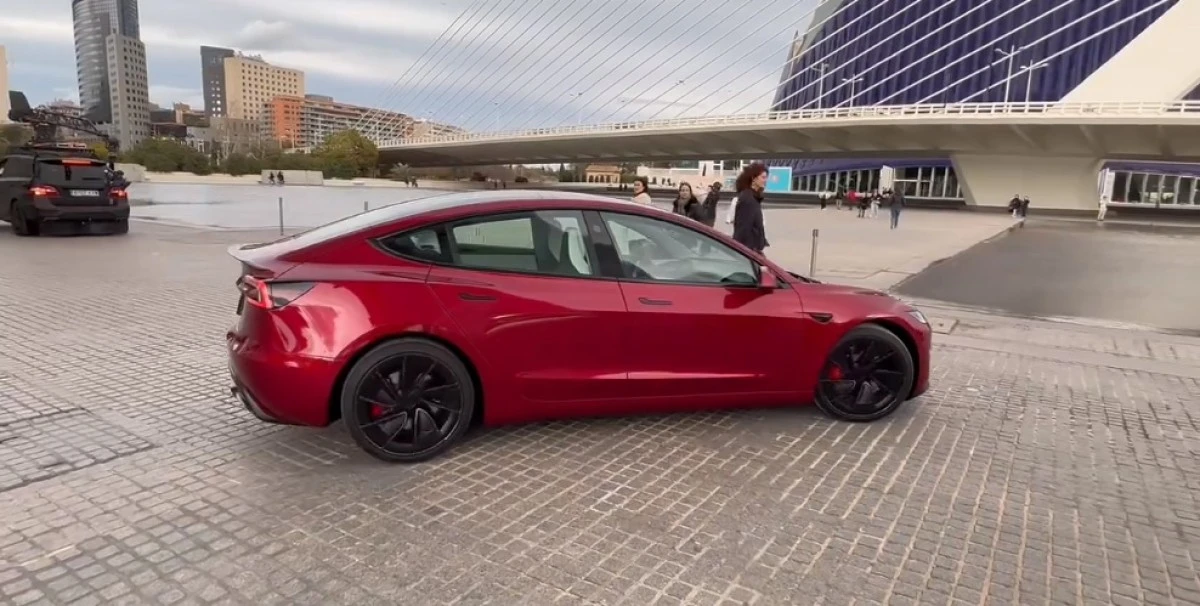
The Tesla Model 3 Performance has 510 horsepower and 554 lb-ft of torque in North American specifications. It uses a dual-motor all-wheel-drive system, delivers 0–60 mph acceleration in about 2.9 seconds, and has different published power figures in some markets due to rating methods.
The Tesla Model 3 Performance creates confusion because shoppers often find different horsepower numbers, including 480 hp, 510 hp, and figures based on theoretical motor output. This guide explains which figures apply to which market, how the dual-motor powertrain is rated, and how to use the numbers to compare the Performance trim with the Long Range model and rival EVs.
The Tesla Model 3 Performance has a published North American output of 510 horsepower and 554 lb-ft of torque. It uses a dual-motor all-wheel-drive system, reaches 0–60 mph in about 2.9 seconds in Tesla’s published specifications, and combines high peak power with software-controlled performance management. The exact horsepower figure varies by market because manufacturers may report vehicle output differently depending on testing standards, certification rules, and how peak motor capability is translated into usable vehicle power.
Model 3 Performance Horsepower: Direct Answer and Key Specs
The key number for buyers in North America is 510 horsepower. The Performance trim achieves this through a dual-motor powertrain that sends power to all four wheels, with separate front and rear motors optimized for efficiency and acceleration.
Published specifications commonly cite 554 lb-ft of torque and a 0–60 mph time of 2.9 seconds. Other documented instrumented tests may show slightly different acceleration numbers depending on conditions, battery state, temperature, and testing method.

The headline specifications include:
- Power output: 510 hp in North American specifications.
- Torque output: 554 lb-ft.
- Drive system: dual motor all-wheel drive.
- Curb weight: 4,046 pounds.
- Quarter-mile performance: 11.0 seconds at 125 mph in documented testing.
Horsepower explains the rate at which the vehicle can produce work, while torque describes the rotational force available at the motors. In an EV, torque delivery is immediate because electric motors can generate strong pulling force without waiting for engine revs to build.
The Model 3 Performance also includes hardware and software features designed around repeated high-output driving, including Track mode calibration and adaptive suspension. These features matter because peak horsepower alone does not determine how consistently a vehicle can deliver performance.
Why Horsepower Figures Vary by Market and Source
The most common source of confusion is that a single vehicle can have several power ratings depending on what is being measured. A specification sheet may describe certified vehicle output, while another source may estimate combined motor capability before battery and software limits are applied.
In practical EV comparisons, horsepower should be treated as a system-level rating rather than simply adding the maximum output of two electric motors together. The battery pack, inverter limits, thermal management, and software calibration all influence the final usable output.
A simple conversion helps explain why power ratings are often shown in different units:
Horsepower = Kilowatts × 1.341
Where:
- Kilowatts represent electrical power output.
- Horsepower is the traditional automotive power rating.
For example, a 150 kW motor converts to approximately 201 horsepower using the formula 150 × 1.341.
US vs. EU Horsepower Ratings Explained
US and European listings can show different numbers because certification systems and reporting methods are not identical. North American listings commonly reference the 510 hp figure, while European market figures may appear lower, often around the 460–480 hp range.
These differences do not necessarily mean one version has a completely different motor. Instead, the rating can reflect different measurement approaches, regulatory requirements, and how peak output is calculated.
Another factor is battery state of charge. Maximum acceleration output depends on whether the battery can provide the required electrical power at that moment. A vehicle near a lower state of charge may not provide the same peak output available when conditions are optimal.
A safer way to compare vehicles is to match the official rating for the specific market and model year you are considering rather than mixing numbers from different regions.
Raw Motor Potential (627 hp) vs. Production Output
Some horsepower discussions mention figures around 627 hp. This number refers to estimated combined motor potential rather than the final vehicle output delivered under normal production conditions.
The difference exists because electric motors can have a higher theoretical peak capability than the battery system allows the vehicle to use continuously. The battery pack, discharge capability, inverter limits, and thermal protection determine how much power reaches the wheels.
In other words, motor capability and vehicle horsepower rating are related but not identical measurements.
From an editorial review of EV performance specifications, the recurring failure mode is treating a theoretical motor figure as if it were the official vehicle rating. For purchase decisions, the certified vehicle output, acceleration rating, range, and intended use matter more than a maximum possible motor calculation.
Real-World Driving Impact of 510 Horsepower and 554 lb-ft Torque
A 510 hp electric sedan changes the driving equation because acceleration is not limited by traditional transmission behavior. The dual motors can distribute torque quickly between the front and rear axles, which helps the vehicle maintain traction during hard acceleration.
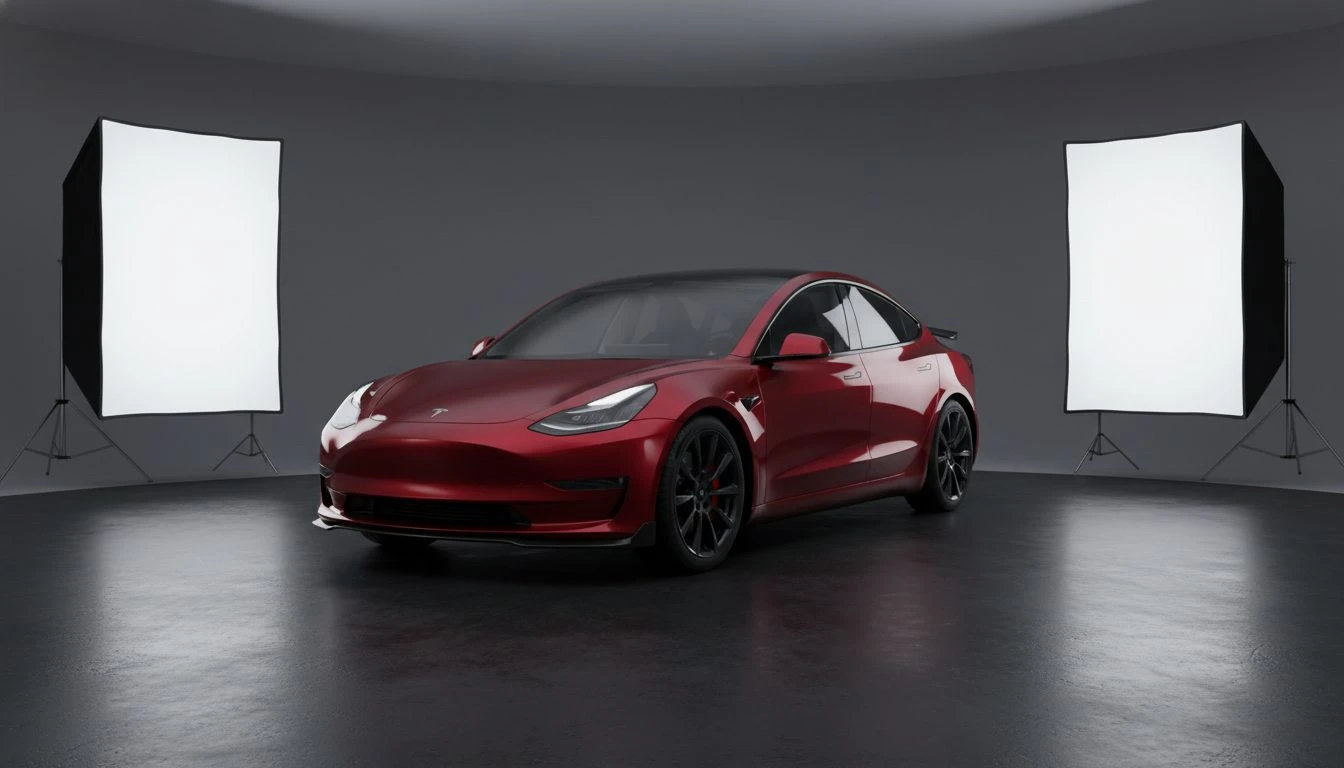
For everyday driving, the biggest difference appears during situations such as highway merging or passing. A high torque figure means the car can build speed quickly from lower and medium speeds, not only during a launch from a stop.
However, peak output is not the same as constant output. Repeated high-power acceleration can increase energy consumption and create more demand on the battery and thermal systems. The driver using the full performance capability frequently should expect lower efficiency than a driver using smoother acceleration.
The Model 3 Performance’s curb weight of 4,046 pounds also affects the power-to-weight ratio. More power helps overcome vehicle mass, but weight still influences braking demands, tire wear, and energy use.
Track driving creates a different set of priorities. Features such as Track mode help manage performance behavior, but repeated high-load use depends on battery temperature, available charge, tires, and environmental conditions.
Model 3 Performance vs. Long Range: Horsepower and Torque Comparison
The choice between Performance and Long Range comes down to whether the additional power justifies the trade-off in range and cost. The Performance trim focuses on acceleration and handling hardware, while the Long Range trim prioritizes efficiency.
Table: Model 3 Performance vs. Long Range Specs
| Specification | Model 3 Performance | Model 3 Long Range |
|---|---|---|
| Horsepower | 510 hp | 358 hp |
| Torque (lb-ft) | 554 lb-ft | 420 lb-ft |
| 0–60 mph (s) | 3.1 s | 4.2 s |
| Top Speed (mph) | 162 mph | 140 mph |
| Range (mi) | 263 mi | 353 mi |

The Performance model’s advantage is most noticeable when acceleration is a priority. The Long Range remains a strong choice when daily commuting distance and efficiency matter more.
Acceleration Boost has historically provided some Long Range owners with faster acceleration, but it does not turn the Long Range into a full Performance model. The Performance trim includes additional performance-focused hardware and calibration beyond a simple software change.
Performance Trim’s Power Advantage in Real-World Use
The extra horsepower is useful when the driver regularly values immediate acceleration, confident passing power, or occasional track-focused driving. It is less valuable for drivers whose main goal is maximizing charging intervals and efficiency.
A practical decision rule is simple:
| If | Then |
|---|---|
| Highway passing and acceleration are top priorities | Choose Model 3 Performance for its higher horsepower and torque. |
| Longer range and lower running cost matter more | Choose Model 3 Long Range for efficiency advantages. |
| Daily commuting comes first with occasional performance driving | Consider whether the Performance hardware justifies the range trade-off. |
Should You Choose Performance or Long Range?
The Performance trim makes sense for buyers who will regularly use the extra capability. The difference is not only the peak horsepower number; it includes the way the vehicle is configured around acceleration and repeated performance use.
Long Range is usually the more practical choice when the vehicle is primarily transportation. Its advantage appears every day through longer range and reduced need for charging stops.
Model 3 Performance vs. Key EV Rivals: Specs Comparison
The Model 3 Performance competes with electric vehicles that approach performance from different directions. Some focus on straight-line acceleration, while others emphasize track features, weight, or driving character.
Table: Model 3 Performance vs. EV Rivals
| Vehicle | Horsepower | Torque (lb-ft) | 0–60 mph (s) | Price (USD) |
|---|---|---|---|---|
| Tesla Model 3 Performance | 510 hp | 554 lb-ft | 2.9 s | Under $57,000 before incentives |
| Hyundai Ioniq 5 N | 641 hp with boost mode | 568 lb-ft | About 3 seconds | Varies by market |
| Ford Mustang Mach-E GT | Varies by configuration | Varies by configuration | Varies by configuration | Varies by market |
| Polestar 2 Performance Pack | Varies by model year | Varies by model year | Varies by model year | Varies by market |
Numbers vary by model year and market, so buyers should verify the exact configuration before comparing vehicles.
Hyundai Ioniq 5 N vs. Tesla Model 3 Performance
The Hyundai Ioniq 5 N takes a track-oriented approach with features designed to simulate traditional performance-car behavior, including adjustable driving modes and performance-focused controls. The Model 3 Performance focuses more heavily on electric acceleration efficiency and Tesla’s software integration.
The horsepower comparison shows that peak output is not the only factor. Vehicle weight, tire setup, cooling strategy, software calibration, and intended use determine how useful the power is.
Against the Mustang Mach-E GT and Polestar 2
The Mustang Mach-E GT offers a crossover body style and performance tuning, while the Polestar 2 Performance Pack targets drivers who prefer a compact premium EV approach.
For shoppers comparing horsepower value, compare more than the headline number. Check torque, curb weight, range, charging behavior, and whether the vehicle’s performance equipment matches your driving needs.
How Tesla Calculates and Updates Horsepower Output
Electric vehicle horsepower calculations begin with motor power measured in kilowatts. The conversion between kilowatts and horsepower helps create familiar automotive specifications, but the final vehicle rating depends on the complete powertrain.
Tesla vehicles also rely heavily on software calibration. An over-the-air update can change how power is delivered by adjusting acceleration behavior, thermal management, or available performance settings.
Motor horsepower and wheel horsepower should not be confused. Motor output describes power generated at the motors, while wheel horsepower accounts for losses between the motors and the tires.
The Model 3 Performance demonstrates why EV specifications require context. The highest possible motor figure does not automatically equal the power available during every drive.
Horsepower Impact on Performance and Range for Buyers
More horsepower creates more potential acceleration, but it also creates more opportunities to consume energy quickly. The same battery pack that supports efficient cruising can discharge much faster during repeated high-power events.

The largest range difference appears when driving style changes. A driver using gentle acceleration may see efficiency closer to normal estimates, while frequent full-throttle acceleration can reduce usable range because more electrical energy is converted into motion and heat.
Battery temperature also affects available performance. Cold conditions can limit power delivery until the battery reaches a more favorable operating range, while aggressive driving can increase thermal demand.
Charging habits and battery management remain important for maintaining predictable performance availability. Monitoring battery level before demanding acceleration helps avoid situations where the vehicle limits output to protect the system.
If you are comparing trims today, open the Tesla configuration page for your market, record the listed horsepower, range, and acceleration figures, then compare those exact numbers against the vehicles you are considering. This prevents mixing regional ratings and gives you a clearer answer about whether the Performance trim’s extra power matches your daily driving priorities.
FAQ
Does the Model 3 Performance have dual motors?
Yes. The Model 3 Performance uses a dual-motor all-wheel-drive powertrain with separate front and rear motors. This setup allows power distribution between both axles and supports the trim’s high-performance acceleration while balancing efficiency and traction.
What is the Model 3 Performance 0-60 mph time?
The Model 3 Performance reaches 0–60 mph in about 2.9 seconds in Tesla’s published specifications. Actual instrumented results can vary depending on conditions such as battery state, temperature, and testing methods.
What is the top speed of the Model 3 Performance?
The Model 3 Performance has a listed top speed of 162 mph in the comparison specifications provided. Top speed figures can vary by model year and market, so buyers should verify the exact configuration they are considering.
Is the Model 3 Performance faster than the Long Range?
Yes. The Model 3 Performance is focused on acceleration and performance, with higher horsepower and torque than the Long Range trim. The Long Range prioritizes efficiency and range, making it better suited for drivers who value fewer charging stops.
Why do some sources say 480 hp, 510 hp, or 627 hp for the Model 3 Performance?
These figures come from different ways of measuring electric power output. The 510 hp figure represents published North American vehicle output, while 480 hp may appear in some market ratings and 627 hp refers to estimated combined motor potential rather than normal production output.
How much horsepower does the Tesla Model 3 Performance have in Europe?
European listings may show lower figures, often around the 460–480 hp range. These differences can result from certification systems, reporting methods, and how peak output is calculated rather than necessarily indicating a completely different motor system.
Does using full power reduce the Model 3 Performance’s range significantly?
Using full performance capability frequently can reduce efficiency because high-power acceleration consumes more energy and increases thermal demand. Smooth driving generally uses less energy, while repeated high-output driving places more demand on the battery and performance systems.