
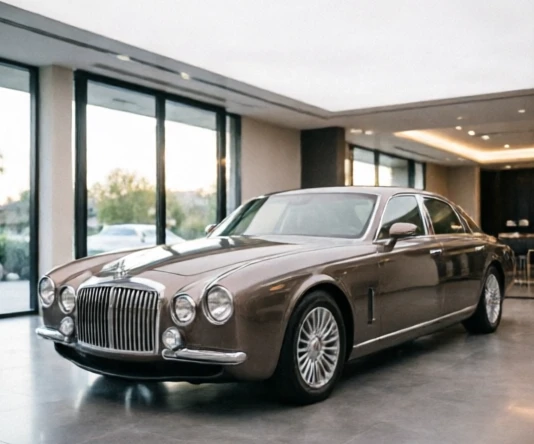
- Mercedes-Benz E-Class — balanced executive comfort and efficiency
- Genesis G80 — strong value with luxury design and technology
- BMW 5 Series — driver-focused midsize luxury sedan option
- Lexus LS — quiet cabin and long-term ownership reputation
- Mercedes-AMG E53 — performance-focused luxury sedan choice
Choosing among the best luxury sedans 2023 models is difficult because many rankings focus on prestige, performance scores, or feature lists without showing how each car fits a real ownership situation. This guide helps affluent buyers compare performance, comfort, technology, practicality, safety considerations, and ownership factors so they can build a shortlist based on measurable priorities rather than a single overall ranking.
The strongest luxury sedan choices for 2023 include the Mercedes-Benz E-Class, Genesis G80, BMW 5 Series, Audi A6 and A7, Lexus ES, Lexus LS, Mercedes-AMG E53, Volvo S90, Cadillac CT5, and other flagship options such as the Mercedes-Benz S-Class and BMW 7 Series. The right choice depends on whether the priority is executive comfort, driving performance, fuel efficiency, reliability, or long-term value.
Best luxury sedans 2023 ranked by buyer priorities
Luxury sedan rankings are most useful when they explain the buyer behind the ranking. A performance-focused driver may value horsepower and acceleration, while an executive buyer may care more about rear-seat comfort, cabin technology, and quiet operation. The models below represent different strengths rather than a single universal winner.
The 2023 Mercedes-AMG E53 stands out for buyers seeking stronger performance from a midsize luxury sedan, with a starting price of $82,450, combined fuel economy commonly cited at 23–24 mpg, and a performance-oriented character. The Genesis G80 provides a lower entry point into the segment, starting at $51,125, with a balance of design, technology, and comfort features. The Mercedes-Benz E-Class remains a benchmark executive sedan with a starting price of $57,900 and combined fuel economy figures commonly listed at 24–26 mpg.
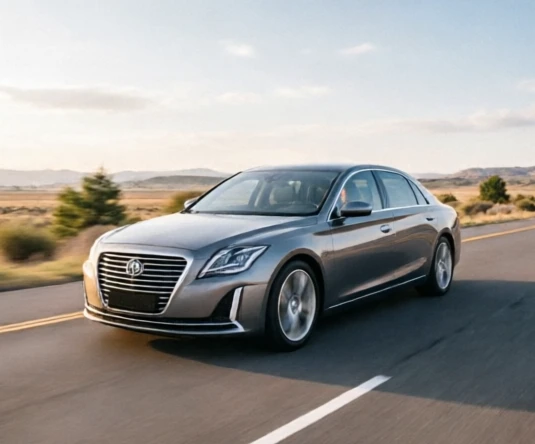
From an editorial review of luxury vehicles, the recurring failure mode in sedan rankings is treating every buyer as if they want the same definition of luxury. A quieter cabin, stronger engine, lower ownership risk, or better rear-seat environment can each change which model is the better purchase.
| Model | Starting price | Powertrain | Standout feature | Best for |
|---|---|---|---|---|
| Mercedes-Benz S-Class | Approx. $114,500 | Turbocharged six-cylinder or V8 options depending on trim | Executive rear-seat technology and advanced cabin comfort | Buyers prioritizing rear passenger experience |
| BMW 7 Series | Approx. $95,700 | Turbocharged six-cylinder, V8, and electrified variants depending on market | Balance of performance technology and luxury features | Drivers wanting flagship capability with engaging handling |
| Lexus LS | Approx. $78,535 | V6 hybrid or twin-turbo V6 depending on configuration | Quiet cabin and long-term ownership reputation | Buyers prioritizing reliability and comfort value |
For buyers looking at the top rated luxury sedans for 2023 purchase, the shortlist should usually begin with the driving mission. Choose the E-Class or G80 for balanced executive use, the AMG E53 for performance emphasis, the Lexus LS for comfort and ownership confidence, or a flagship sedan when rear passenger experience is the main requirement.
How the top 2023 luxury sedans compare
A useful luxury sedan comparison test should evaluate more than badge reputation. Buyers should compare powertrain options, fuel economy, infotainment system capability, interior materials, cargo capacity, and the difference between standard equipment and optional packages.
Many differences appear only after comparing exact configurations. A sedan with a stronger engine option may sacrifice fuel economy, while a hybrid model may prioritize efficiency over acceleration. The trim level matters because features such as leather upholstery, upgraded audio, driver assistance features, and suspension systems can vary significantly.
The 2023 Audi A7 is an example of a model that blends luxury sedan characteristics with a practical liftback design. It delivers 335 horsepower with all-wheel drive and has a starting price commonly cited at $71,295. The Audi A6 offers a more traditional sedan layout, with fuel economy figures commonly listed around 21–24 mpg city and 30–31 mpg highway depending on configuration.
| Model | Horsepower | Acceleration | Fuel economy | Cargo capacity |
|---|---|---|---|---|
| BMW 7 Series | 375 hp in 740i configuration | Approx. 4.9 seconds 0-60 mph | Varies by engine and drivetrain | Approx. 19.1 cubic feet |
| Mercedes-Benz S-Class | 429 hp in S 500 configuration | Approx. 4.9 seconds 0-60 mph | Varies by engine and drivetrain | Approx. 13.8 cubic feet |
| Lexus LS | 416 hp in LS 500 configuration | Approx. 4.6 seconds 0-60 mph | Varies by hybrid or gasoline configuration | Approx. 17.1 cubic feet |
Performance differences between flagship sedan models
Horsepower alone does not define performance. The more important question is how the engine, transmission, chassis tuning, and suspension system work together for the type of driving expected.
The BMW 7 Series approach emphasizes a connection between luxury and driver involvement. The Mercedes-Benz S-Class focuses more heavily on effortless power delivery and passenger comfort. The Lexus LS provides strong output in certain configurations but generally appeals to buyers who value smoothness over aggressive driving character.
For buyers comparing executive cars 2023 models, the decision rule is straightforward: choose the engine configuration first, then compare the luxury features. A high-output powertrain paired with expensive optional equipment can create a very different ownership experience from the same model with a comfort-focused setup.
Passenger space and everyday usability comparison
Interior dimensions are often missing from luxury sedan rankings, yet they determine whether a car works for daily commuting, business travel, or frequent rear-seat passengers. A vehicle can have premium materials and advanced technology while still feeling restrictive if passenger space does not match the buyer’s needs.
The BMW 7 Series offers approximately 19.1 cubic feet of cargo capacity, exceeding the Mercedes-Benz S-Class figure of approximately 13.8 cubic feet in the comparison configurations. The Lexus LS provides approximately 17.1 cubic feet [#value]. These differences matter when carrying luggage, business equipment, or daily items.
In practical luxury vehicle selection, the easy-to-miss step is checking how the car will be used after the first month of ownership. Rear-seat passengers should evaluate legroom, seat adjustment controls, climate functions, and entry comfort rather than judging only exterior dimensions.
Top luxury sedan models for comfort and technology
Luxury sedans increasingly compete through software, driver assistance features, and cabin engineering. Buyers should separate appearance upgrades from technology that changes daily use.
Air suspension systems, adaptive chassis controls, advanced infotainment system interfaces, and premium materials can significantly change the experience. However, some features are only available through optional packages, so a model’s base price does not always represent the equipment level buyers actually want.
The Lexus ES demonstrates the value-focused side of the segment. It was recognized as a Luxury Car Best Buy for 2023 in one ranking, with a starting price listed at $34,000 and combined fuel economy of 25 mpg. The hybrid-powered ES 300h can achieve 44 mpg highway according to commonly cited figures.
Best choices for long-distance luxury travel
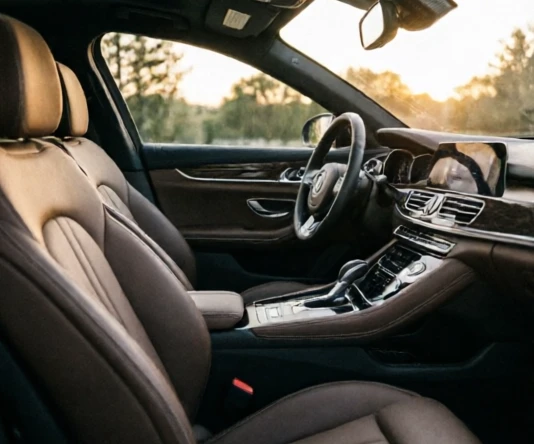
Long-distance comfort depends on more than soft leather upholstery. Buyers should examine seat design, cabin noise management, suspension behavior, visibility, and the availability of comfort features.
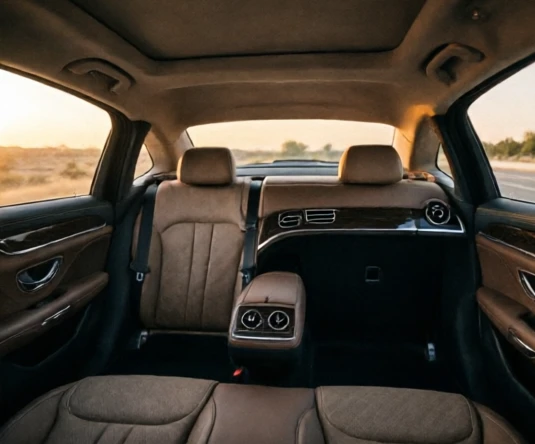
The Mercedes-Benz S-Class and BMW 7 Series are designed around flagship travel priorities, including advanced rear-seat options and extensive technology. The Mercedes-Benz E-Class and Genesis G80 provide many luxury features in smaller packages, making them practical choices for buyers who do not need maximum exterior size.
A practical evaluation method is to compare a typical travel scenario: highway driving, several hours behind the wheel, passenger comfort requirements, and luggage needs. The best full size luxury sedans of 2023 are not always the best choice for every driver because larger dimensions can increase operating costs and reduce urban convenience.
Most advanced safety systems among 2023 sedans
Safety comparisons require careful attention to official crash testing organizations and manufacturer documentation because driver assistance availability changes by trim and package. A model name alone does not confirm that every vehicle includes the same safety equipment.
Common driver assistance features to compare include adaptive cruise control, lane keeping assistance, blind-spot monitoring, automated emergency braking, and parking assistance systems. Buyers should verify whether these features are standard or optional on the exact vehicle being considered.
The safer buying approach is to check published safety ratings from recognized authorities and match them with the actual configuration sheet. A sedan with advanced technology packages may offer capabilities that are unavailable on lower trims.
Most reliable luxury sedans 2023 models for ownership
Reliability is one of the most difficult areas in luxury sedan rankings because ownership outcomes depend on maintenance history, vehicle complexity, driving patterns, and repair decisions. A reliable luxury sedan is usually one where the buyer understands service requirements before purchase.
The Lexus LS is frequently considered by buyers seeking lower ownership risk because of the brand’s long-standing reputation for durability and its available hybrid technology. European flagship sedans often deliver more complex technology and performance systems, which can increase maintenance considerations.
| Model | Reliability factors | Warranty coverage | Maintenance costs | Value retention |
|---|---|---|---|---|
| Lexus LS | Strong reliability reputation and proven hybrid technology | Varies by market and warranty program | Typically lower than some European flagship rivals | Supported by brand reputation for durability |
| BMW 7 Series | Advanced systems require attention to maintenance schedules | Varies by market and ownership package | Higher due to complex performance and technology systems | Depreciation can be significant after initial ownership years |
| Mercedes-Benz S-Class | Complex luxury systems require specialist servicing | Varies by market and warranty program | Higher due to flagship components and technology | Strong prestige appeal but higher ownership costs |
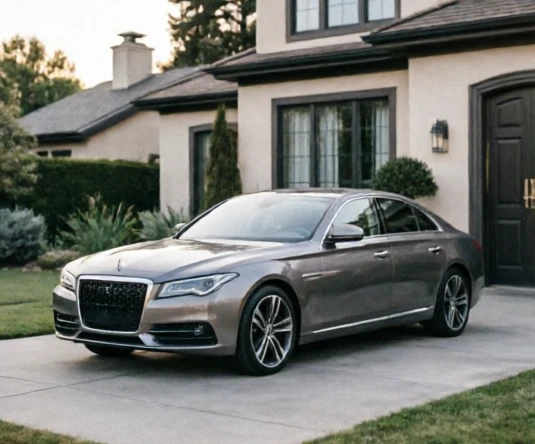
Ownership costs beyond the purchase price
Luxury sedan depreciation rates 2023 are an important part of the purchase decision because the initial price is only one component of total ownership cost. A vehicle with a lower purchase price can still become expensive if depreciation, maintenance, insurance, and repairs are higher than expected.
Common ownership considerations include service intervals, availability of qualified repair facilities, replacement costs for advanced components, and warranty limitations. Buyers should treat reliability discussions as historical trends rather than guarantees about future performance.
In practical luxury sedan purchasing, the easy-to-miss step is comparing ownership complexity before choosing additional technology. More systems can improve comfort but may introduce more components that require attention over time.
Best fuel economy luxury sedans for daily use
Fuel economy becomes more important when a luxury sedan is used for daily commuting rather than occasional travel. Hybrid powertrain options can provide efficiency advantages, but buyers should compare the specific engine rather than assuming every version of a model performs the same way.
The Lexus ES 300h is one example of a luxury hybrid sedan with strong efficiency figures, including a commonly cited highway figure of 44 mpg. The BMW 5 Series, Audi A6, and Mercedes-Benz E-Class offer different balances between performance and efficiency depending on engine choice.
A practical decision rule is to estimate annual mileage first. Drivers covering long daily distances should prioritize fuel economy and service predictability, while lower-mileage owners may place more value on performance or cabin features.
Best luxury sedan picks for different lifestyles
The best luxury sedan depends on the buyer’s daily priorities. Instead of searching for a universal winner, compare each model against the reason for ownership: commuting, executive travel, performance driving, or long-term value.
| If | Then |
|---|---|
| The primary goal is executive rear-seat comfort and maximum cabin features | Prioritize flagship sedans with rear passenger packages and advanced comfort equipment. |
| The priority is driver engagement and stronger acceleration response | Choose a sedan with a performance-focused engine option and sport-oriented chassis tuning. |
| The priority is lower ownership risk and long-term value retention | Favor models with stronger reliability records and simpler long-term maintenance requirements. |
| The priority is balancing luxury equipment with purchase value | Compare standard features against optional packages instead of judging by badge prestige alone. |
Choosing between entry-level and flagship sedans
Moving from a midsize luxury sedan to a flagship model usually brings improvements in rear-seat space, materials, ride quality, and available technology. However, the price increase may not deliver equal value for every buyer.
A Mercedes-Benz E-Class, Genesis G80, or Lexus ES can satisfy many luxury requirements without the footprint and ownership costs of a flagship sedan. The Mercedes-Benz S-Class and BMW 7 Series are better suited to buyers who specifically need maximum cabin presence and advanced comfort equipment.
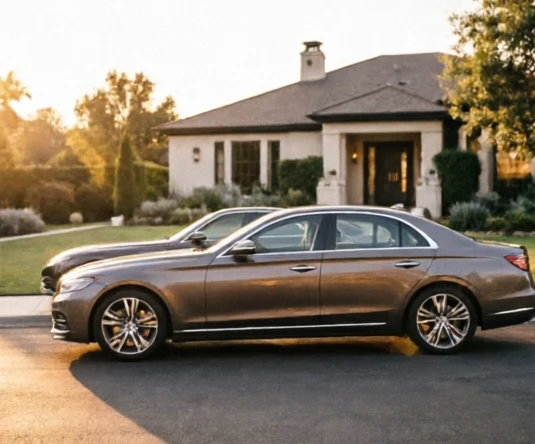
A useful comparison method is to list the features that will be used weekly. Paying for technology that rarely gets used may provide less value than choosing a well-equipped lower segment model.
When to prioritize reliability over performance
Performance-focused sedans can provide stronger acceleration and sharper handling, but ownership expectations should match the vehicle’s complexity. Buyers planning long ownership periods should consider maintenance requirements before selecting the most powerful configuration.
For example, a driver keeping a sedan for many years may prioritize proven powertrains, strong warranty coverage, and predictable service costs. A buyer replacing vehicles more frequently may place more weight on performance, design, and technology features.
The best luxury vehicle models 2023 choice is the one that fits the ownership timeline, not simply the one with the highest specification list.
Final buying framework for a 2023 luxury sedan
A structured evaluation process helps prevent buyers from choosing based only on brand reputation. Compare the shortlisted vehicles using the same categories: purchase cost, comfort, performance, reliability, and overall value.
- Rank the purchase budget and expected ownership costs.
- Measure comfort needs including front-seat, rear-seat, and cabin refinement priorities.
- Compare performance requirements against fuel economy expectations.
- Evaluate reliability indicators and warranty support.
- Select the sedan with the strongest overall match rather than the highest specification alone.
Use this checklist before moving from research to a purchase decision:
- Confirm the exact trim level and available engine options in the target market.
- Verify that required safety and driver assistance features are included or available as options.
- Compare optional equipment packages because similar models can have different cabin technology levels.
- Review warranty terms, maintenance requirements, and expected service costs before purchase.
- Check fuel economy ratings for the specific powertrain rather than the model name alone.
Create a shortlist of three sedans today and write down your required priorities for price, rear-seat comfort, performance, and ownership cost; this produces a focused comparison sheet that makes the final purchase decision easier and prevents optional features from distracting from your actual needs.
FAQ
What is the most reliable luxury sedan in 2023?
The Lexus LS is frequently considered by buyers seeking lower ownership risk because of its long-standing reputation for durability and available hybrid technology. Reliability also depends on maintenance history, driving patterns, vehicle complexity, and how well the specific sedan is serviced over time.
What is the highest rated sedan in 2023?
The highest rated luxury sedan depends on the buyer’s priorities. The Mercedes-Benz E-Class, Genesis G80, BMW 5 Series, Audi A6 and A7, Lexus LS, and flagship models such as the Mercedes-Benz S-Class and BMW 7 Series each stand out in different areas including comfort, performance, technology, and ownership value.
What luxury sedan offers the best value in 2023?
The Genesis G80 provides a lower entry point into the luxury sedan segment while offering a balance of design, technology, and comfort features. The Lexus ES also represents a value-focused choice with strong efficiency and luxury features for buyers prioritizing practical ownership.
What luxury sedan has the best fuel economy in 2023?
The Lexus ES 300h is one example of a luxury hybrid sedan with strong efficiency figures, including a commonly cited highway figure of 44 mpg. Fuel economy varies by engine and configuration, so buyers should compare the specific powertrain rather than the model name alone.