
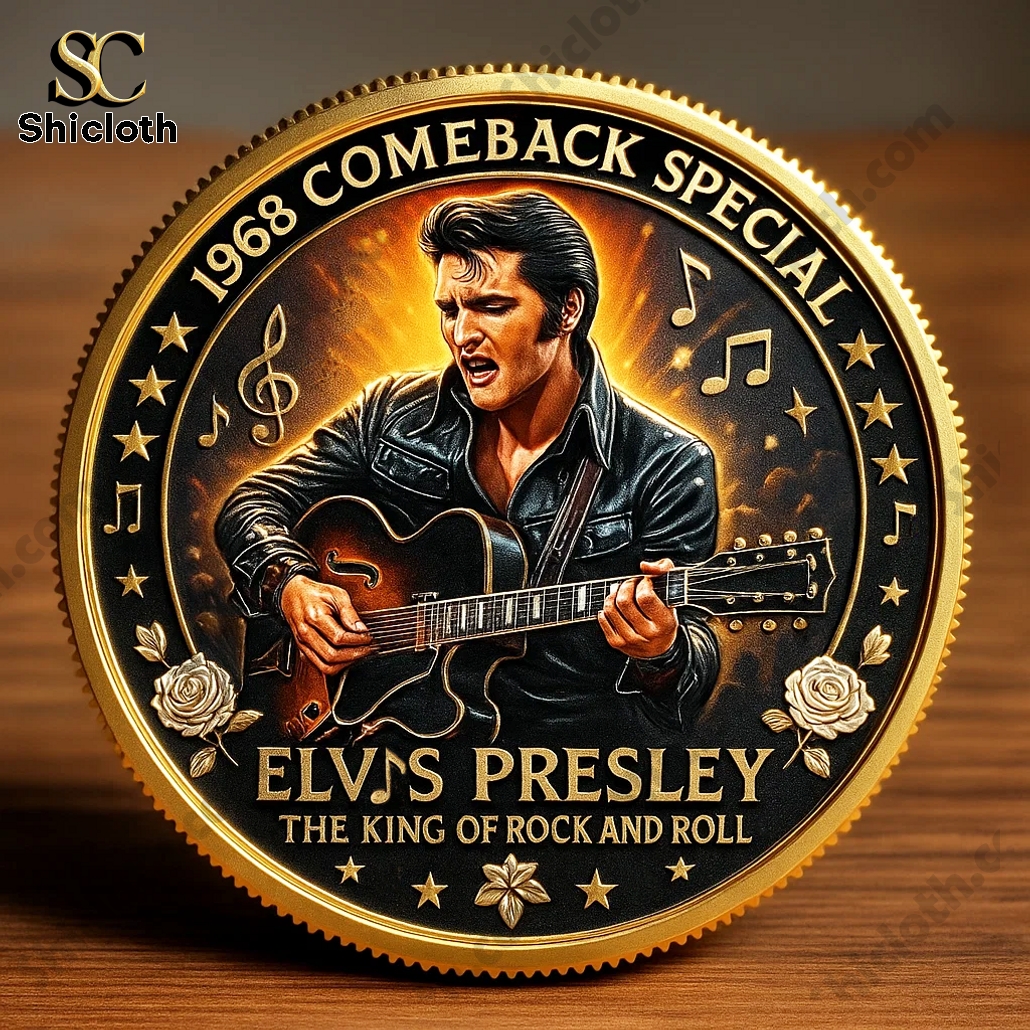
In the vast landscape of American music, few moments are as pivotal as the 1968 NBC TV Special, commonly referred to as the “’68 Comeback Special.” At the heart of this cultural phenomenon lies the song “Memories,” a track that does more than just fill a setlist—it captures the very essence of nostalgia. For fans of oldies music, “Memories” serves as a bridge between the rebellious rock-and-roll youth of the 1950s and the mature, soulful artistry that Elvis Presley would carry into the 1970s. Written by Billy Strange and Mac Davis, the song remains a definitive example of the “Golden Era” of American television and recording history.
The Soul of “Memories”: Lyrics and Meaning
The lyrics of “Memories” are a poetic exploration of the human psyche. When Elvis sings about thoughts “pressed between the pages of my mind,” he evokes a universal feeling of looking back at a life well-lived. The song utilizes vivid imagery, comparing quiet thoughts to “golden autumn leaves” and past romances to “twilight trimmed in purple haze.”
For an international audience, this track represents the quintessential American ballad of the late 60s. It moved away from the high-energy “Jailhouse Rock” persona and introduced a vulnerable, reflective King of Rock and Roll. The recording, captured on June 23, 1968, features a lush arrangement that highlights Elvis’s baritone range, proving that his voice had only “sweetened through the ages just like wine.”
The Historical Context: 1968 NBC TV Special Sessions
The journey to creating “Memories” was part of a grueling and inspired week of sessions at Western Recorders in Burbank, California. This period was crucial for Elvis, who had spent much of the mid-60s stuck in a cycle of formulaic Hollywood movies. The ’68 Special was his declaration of independence.
The Recording Timeline
The production was a massive undertaking, blending rock, gospel, and stand-up “sit-down” performances. Here is a look at the sessions surrounding the creation of “Memories”:
- June 20-21, 1968: Elvis recorded gritty versions of “Guitar Man,” “Big Boss Man,” and “It Hurts Me.” These sessions focused on his rhythm and blues roots.
- June 22, 1968: The focus shifted to his spiritual foundation with the “Gospel Medley,” including tracks like “Where Could I Go But to The Lord” and “Up Above My Head.”
- June 23-24, 1968: This was the birthplace of the show’s most emotional peaks. Elvis recorded the instrumental tracks and vocal overdubs for “Memories” and the legendary “If I Can Dream.”
On June 26, the atmosphere shifted from intense work to celebration. The cast and crew held a party for Colonel Tom Parker’s birthday. In a moment of rare levity, Elvis performed a comedic version of “It Hurts Me,” poking fun at the Colonel’s notorious negotiating tactics with the producers. This behind-the-scenes camaraderie fueled the electric performance eventually seen by millions.
Impact on the Golden Era of American Music
When the special finally aired on December 3, 1968, it fundamentally changed the trajectory of American popular culture. The show began with a raw, aggressive version of “Trouble,” signaling that the “King” was back to reclaim his throne. However, it was the quieter moments like “Memories” that solidified his connection with the audience.
The song’s success helped define the pre-75 oldies music era, a time when lyrical depth and vocal performance were paramount. It demonstrated that Elvis could adapt to the “hipper” recording material of the late 60s while maintaining the simple, “laughing eyes and simple ways” that made him a global icon in the first place.
Legacy and Further Exploration
The legacy of these sessions is preserved today through various high-fidelity releases. For those looking to dive deeper into this era, the Complete ’68 Comeback Special Deluxe 4 CD Box Set offers a comprehensive look at the evolution of these tracks. Furthermore, archival discoveries like the Tupelo’s Own Elvis Presley DVD provide a rare glimpse into Elvis’s 1956 performances, offering a striking contrast to the sophisticated artist he became by the time he recorded “Memories.”
“Memories” is not just a song; it is a snapshot of a cultural icon at his most authentic. It reminds us that while time moves forward, the “sweet memories” of the music that shaped us remain eternally vibrant. Whether you are a lifelong fan or a newcomer to the world of American oldies, these melodies continue to settle softly, like golden leaves, in the hearts of listeners worldwide.
Explore these timeless melodies and rediscover the magic of the King.
References
- Strange, B., & Davis, M. (1968). Memories [Song]. On Elvis (NBC TV Special). RCA Victor.
- Finkel, B. (Executive Producer). (1968). Elvis [TV Special]. NBC.
- Jorgensen, E. (1998). Elvis Presley: A Life in Music. St. Martin’s Press.