
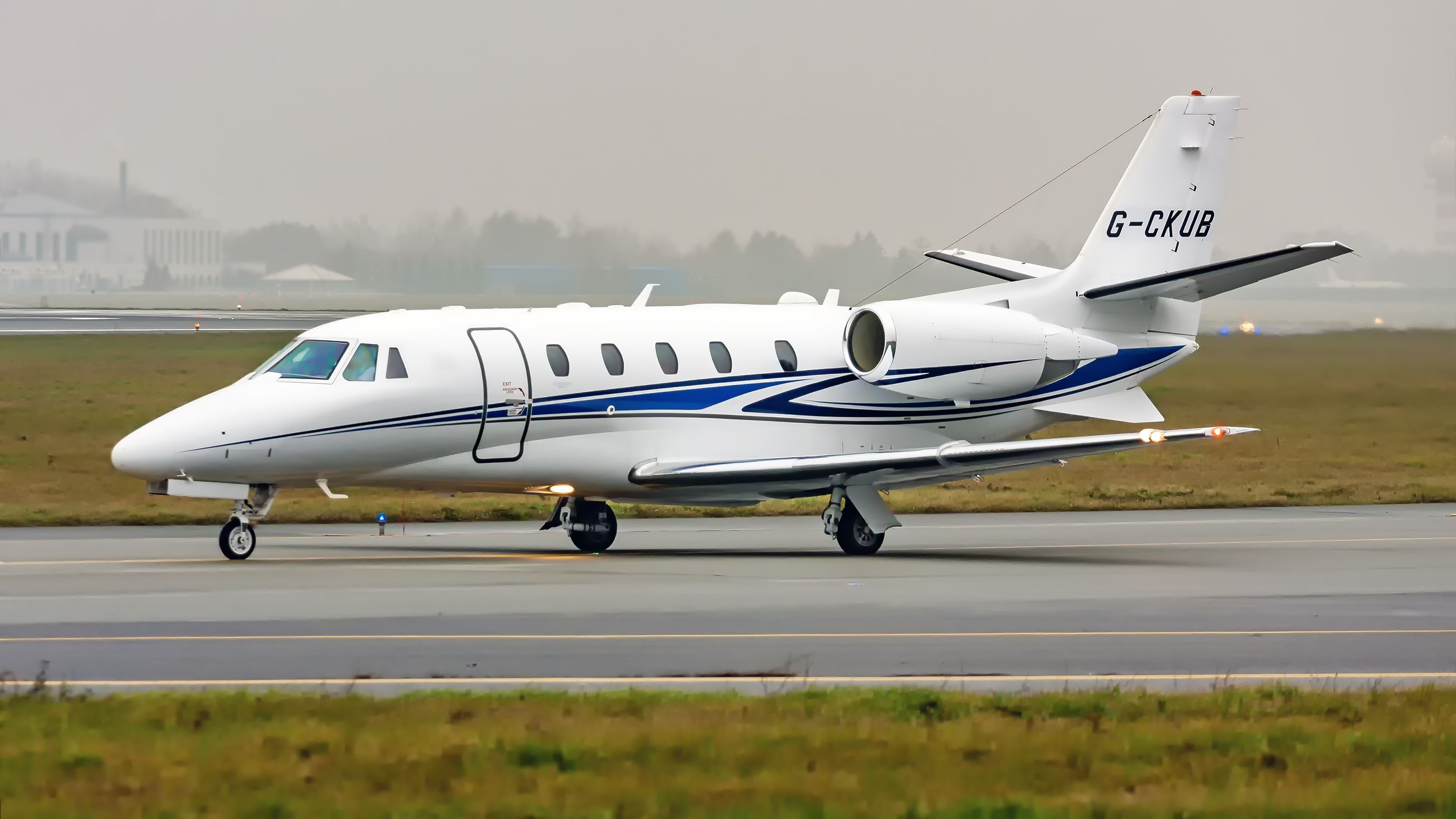
The Cessna Citation Excel (also known as the Citation XL) stands as a monumental success in the aviation world, widely regarded as one of the best-selling and most popular private jets ever produced. It serves as the perfect bridge into the medium-sized cabin class, offering a unique combination of transcontinental range and the ability to operate out of smaller airports typically reserved for light jets. For travelers seeking a balance of luxury, efficiency, and performance, the Citation Excel remains a top-tier choice for international private charters.
An Overview of the Cessna Citation Excel
Since its debut in 1998, the Cessna Citation Excel has dominated the competitive mid-size jet category. While it is designed to seat eight passengers comfortably, certain cabin configurations allow for an additional ninth passenger. This flexibility, combined with its impressive technical specifications, makes it a staple for both corporate and leisure travel.
One of its most defining characteristics is its agility. The Excel can access airports with short runways that are often inaccessible to other mid-sized aircraft. This includes challenging destinations like Cannes Airport, Lugano Airport, and Bern Airport. Furthermore, its certification for steep approaches allows it to land seamlessly at London City Airport, placing travelers right in the heart of the financial district.
Beyond its flight capabilities, the aircraft features a massive external baggage compartment providing 80 cubic feet of storage. This is supplemented by an internal closet, offering enough space to accommodate 4-6 golf bags, 7-8 large suitcases, and 4-6 pairs of skis, ensuring that no passenger has to leave essentials behind.
Interior Design and Passenger Comfort
The standard Cessna Citation Excel boasts one of the roomiest cabins in its class. The interior measures 18.6 feet long, providing a sense of openness rarely found in mid-range jets. The main cabin features six large reclining seats arranged to provide maximum legroom, complemented by large windows that flood the space with natural light.
At the front of the aircraft, two additional seats face a contemporary minibar area, perfectly situated adjacent to the cockpit for easy service. Most models are outfitted with hand-finished wood veneer, high-quality leathers, and modern silver finishes. Entertainment is often managed through integrated CD/DVD systems with individual screens for each passenger. Additionally, many older Excel models have been revitalized through the Citation Excel Eagle program, which retrofits the interiors to a brand-new, modern standard.
Seating Configuration Layout
To better understand the space utilization, consider the standard layout which prioritizes both social interaction and privacy.
Technical Specifications and Performance
The Citation Excel is powered by two Pratt & Whitney PW545A engines. Each engine provides 3,804 pounds of thrust, allowing the jet to maintain high cruise speeds while consuming a combined average of 217 gallons per hour (GPH). This fuel efficiency is a primary driver of the aircraft’s low operational costs.
From a pilot’s perspective, the Excel was designed for ease of operation. It originally featured the Honeywell Primus 1000 avionics suite, which consolidates complex flight data into three easy-to-read screens. This design significantly improves hand-eye coordination and situational awareness. In recent years, many operators have upgraded these systems to the Garmin G5000 glass flight deck to further enhance safety and navigation.
The Legacy of the Cessna Aircraft Company
The story of the Excel began in 1994 when Cessna identified a gap in the market for a mid-range jet that offered more comfort than a turboprop without the extreme costs of high-performance models like the Citation X. When the FAA certified the model in 1998, Cessna already held over 200 orders, proving the industry’s demand for such a versatile machine.
Cessna, based in Kansas, has been a leader in general aviation since 1927. After being acquired by General Dynamics in 1985 and later by Textron in 1995, the brand has continued to innovate. The success of the Excel eventually paved the way for the improved Citation XLS and XLS+ models, which continue the legacy of being the most popular private jets in the world.
Ownership and Charter Costs
The acquisition cost of a Citation Excel depends heavily on its production year and maintenance history.
- Newer Models/Successors: Approximately $10 million USD.
- Pre-owned Excel: Typically ranges between $4 million and $5 million USD.
While the initial purchase price might be higher than some smaller competitors, the economical performance and low running costs often make it a more financially sound investment over time. For those not looking to buy, charter rates vary based on flight duration and airport fees. Additionally, ACMI Wet-Lease options are available for operators requiring aircraft, crew, maintenance, and insurance as a complete package.
Conclusion
The Cessna Citation Excel remains a gold standard in the mid-size jet category, offering an unparalleled mix of cabin space, baggage capacity, and short-field performance. Whether you are traveling for a business meeting in London or a ski trip in the Alps, the Excel provides a reliable and luxurious experience. If you are ready to elevate your travel standards, consider booking a private charter to experience the efficiency of the world’s favorite business jet.