
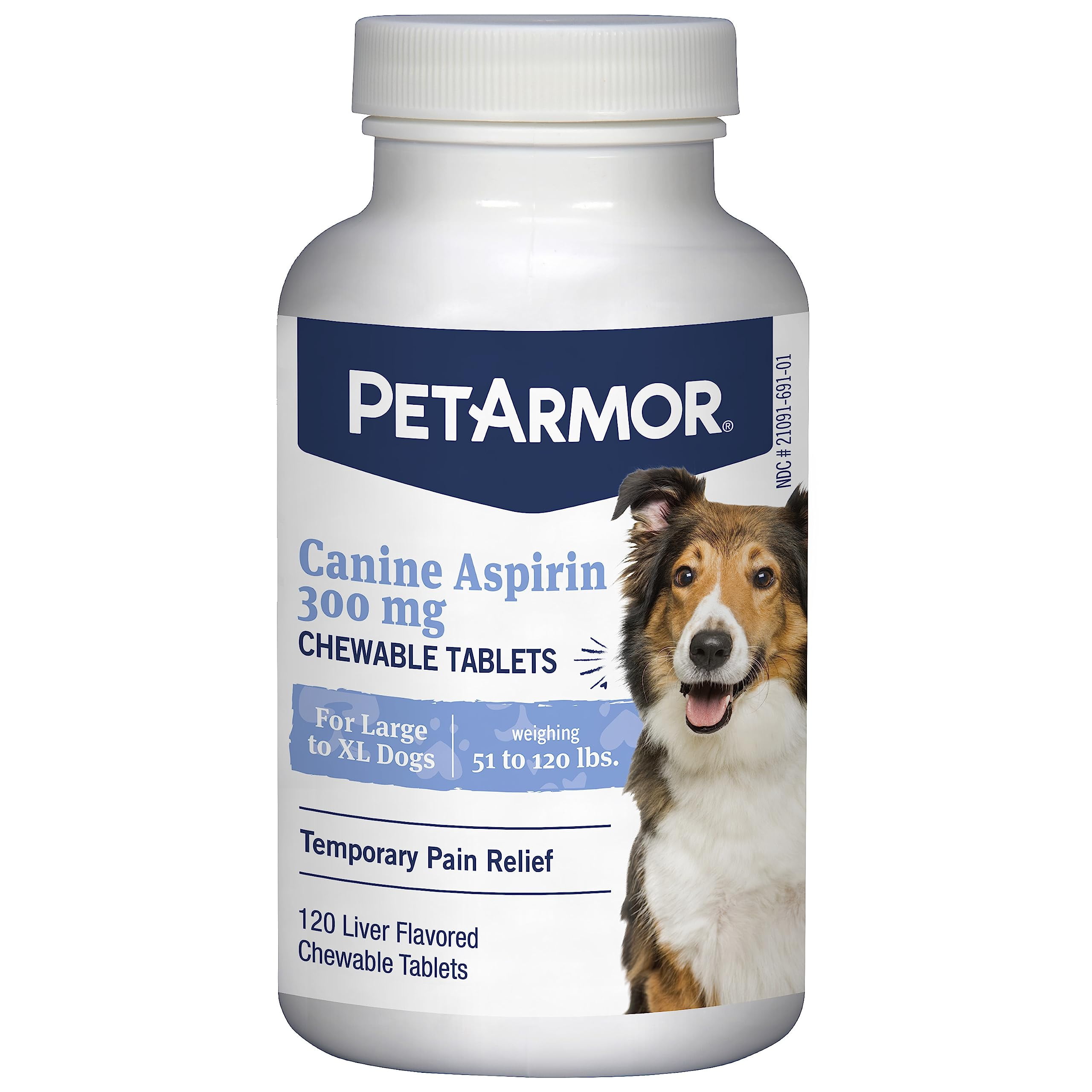
Recognizing and managing pain in dogs is one of the most critical responsibilities of a pet parent. As veterinary medicine advances, our canine companions are living longer, healthier lives. However, with increased longevity comes a higher risk of chronic conditions like arthritis, hip dysplasia, and age-related discomfort. Understanding safe pain management options—from prescription medications to natural supplements—is essential for maintaining your dog’s quality of life.
This guide will help you identify signs of pain in your dog, explore safe pain relief options, and understand which human medications are dangerous and should never be given to your pet.
Recognizing the Subtle Signs of Pain in Dogs
Dogs are instinctively wired to hide pain as a survival mechanism, making it challenging for owners to detect discomfort early. Unlike humans, they cannot verbally express when something hurts, so you must become an expert at reading their body language and behavior.
Common signs that your dog may be experiencing pain include:
- Restlessness or difficulty settling down: Pacing, constantly changing positions, or inability to find a comfortable spot
- Visible discomfort behaviors: Panting excessively (when not hot), arching the back, hiding, or avoiding family interaction
- Vocalizations: Whimpering, groaning, crying, or unusual howling
- Changes in facial expression: Droopy ears, worried appearance with shifty eyes or arched eyebrows
- Behavioral changes: Not responding when called, growling or flinching when touched, pulling away from contact
- Mobility issues: Reluctance to move, limping, difficulty climbing stairs or jumping onto furniture
- Decreased social interaction: Withdrawing from family members or other pets
Veterinary professionals use specialized pain scales to assess discomfort levels. If you notice any combination of these symptoms, schedule a veterinary examination promptly. Early intervention leads to better outcomes and prevents pain from becoming chronic or debilitating.
Veterinary-Prescribed Pain Medications for Dogs
When your veterinarian diagnoses pain in your dog, they will develop a tailored treatment plan based on the underlying cause, severity of pain, and your dog’s overall health status. Pain management typically falls into several categories of medications.
NSAIDs (Nonsteroidal Anti-Inflammatory Drugs)
NSAIDs are among the most commonly prescribed pain medications for dogs. They work by reducing inflammation, which is often the root cause of pain in conditions like osteoarthritis, post-surgical recovery, and injury. Several FDA-approved NSAIDs are specifically formulated for canine use, including Galliprant, carprofen, and meloxicam.
Important Safety Considerations:
- NSAIDs can affect stomach lining protection, kidney blood flow, and platelet function
- Dogs with pre-existing liver or kidney disease may not be candidates for NSAID therapy
- Your veterinarian will likely perform blood work and urinalysis before starting NSAIDs and periodically during treatment to monitor organ function
- Never give your dog human NSAIDs like ibuprofen or naproxen—these are toxic to dogs even in small doses
Opioids for Moderate to Severe Pain
Opioid medications work by binding to receptors in the brain to alter pain perception. These powerful drugs are typically reserved for managing moderate to severe pain, such as after surgery, orthopedic procedures, or trauma.
Common opioids used in veterinary medicine include:
- Morphine: Available as liquid, extended-release tablets, or capsules; used for surgical pain or severe trauma; typically short-term use only
- Codeine: Comes in liquid or tablet form; prescribed for severe arthritis pain, chronic collapsing trachea cough, or surgical pain; short-to-medium-term use
- Butorphanol: Used for surgical pain; short-term administration
- Fentanyl: Administered as liquid or transdermal patch; provides continuous pain relief for short-term surgical recovery; patches must be removed by veterinary professionals due to safety concerns
Because opioids are controlled substances regulated by government agencies, veterinarians must maintain detailed dispensing logs. Side effects may include excessive salivation, vomiting, lethargy, or hyperexcitability.
Other Neurologic Pain Modulators
Some medications work by affecting the nervous system to limit pain signal transmission. Gabapentin, for example, is frequently used in dogs for chronic pain conditions, neuropathic pain, and as part of multimodal pain management strategies.
Joint Supplements and Natural Pain Support
For dogs with mild to moderate pain, or as complementary therapy alongside prescription medications, supplements can provide significant relief with minimal side effects.
Glucosamine and Chondroitin: These natural compounds help protect and repair cartilage. They are particularly beneficial for dogs with hip dysplasia, spinal cord injuries, and early-stage arthritis. Available over the counter in tablets, chews, and liquid forms.
Fish Oil (Omega-3 Fatty Acids): Rich in anti-inflammatory properties, fish oil can help manage pain associated with osteoarthritis, skin conditions, kidney disease, heart disease, inflammatory bowel disease, and certain cancers. This supplement is widely available without a prescription.
While supplements are generally safe, always inform your veterinarian about any products you are giving your dog, as they can interact with prescription medications or affect underlying health conditions.
Alternative Therapies for Pain Management
Complementary therapies can be highly effective, especially for dogs that cannot tolerate medications or need additional support. Many veterinary practices now offer or can recommend:
- Physical rehabilitation and therapeutic exercises: Controlled movements that strengthen muscles and maintain joint flexibility
- Underwater treadmill therapy: Low-impact exercise that builds strength without stressing joints
- Acupuncture: Stimulates natural pain-relieving mechanisms and promotes circulation
- Chiropractic manipulation: Addresses musculoskeletal alignment issues
- Therapeutic massage: Reduces muscle tension and improves circulation
- Passive range of motion exercises: Maintains joint mobility in dogs with limited movement
- Therapeutic ultrasound: Promotes healing in soft tissues
- Neuromuscular stimulation: Helps maintain muscle function
These modalities can be used alongside conventional medications to create a comprehensive pain management program.
Modifying Your Home for a Comfortable Recovery
Environmental adjustments can significantly improve your dog’s comfort level, especially for those with chronic pain or mobility challenges.
Weight Management: Excess weight places tremendous strain on joints and increases inflammation. Work with your veterinarian to develop a weight loss plan that includes appropriate diet modifications and gentle exercise routines.
Low-Impact Exercise: Daily walking, swimming, or other gentle activities maintain muscle mass and joint mobility while releasing natural endorphins that help control pain. Even short, frequent walks are beneficial.
Home Modifications:
- Install carpet runners or use non-slip rugs on slippery floors
- Consider dog boots or socks with grip for better traction
- Use pet ramps or stairs to help dogs access furniture or vehicles
- Install dog gates to restrict access to hazardous areas
- Provide elevated food and water bowls to reduce neck and joint strain
- Ensure bedding is supportive and easily accessible
Human Pain Medications: What You Should NEVER Give Your Dog
This cannot be overstated: never give your dog any human medication without explicit instruction from your veterinarian. Even medications that seem harmless can cause life-threatening toxicity in dogs.
Common human pain relievers that are toxic to dogs include:
- Ibuprofen (Advil, Motrin): Can cause severe stomach ulcers and kidney failure
- Naproxen (Aleve): Even one tablet can cause gastrointestinal bleeding and kidney damage
- Acetaminophen (Tylenol): Causes liver failure and can damage red blood cells, preventing oxygen transport
- Aspirin: May cause stomach bleeding, ulcers, and kidney damage
Even medications that are sometimes prescribed for dogs (like certain antibiotics or heart medications) have different dosing requirements and formulations. Human tablets often contain inactive ingredients that are toxic to pets.
Frequently Asked Questions About Pain Relief for Dogs
What pain relievers are safe for dogs?
Safe options include veterinary-prescribed NSAIDs (such as Galliprant or carprofen), opioids for severe pain, gabapentin for neuropathic pain, and joint supplements like glucosamine and fish oil. Your veterinarian will recommend the safest option based on your dog’s specific condition, age, and overall health.
Can I give my dog pain medication without seeing a vet?
No. Pain medications must be prescribed and dosed by a veterinarian. Giving the wrong medication or incorrect dosage can cause serious harm, including organ failure or death. Always consult your veterinarian before administering any medication.
Is aspirin or Tylenol safe for dogs?
No. Both aspirin and acetaminophen (Tylenol) can cause severe side effects in dogs, including internal bleeding, stomach ulcers, kidney failure, and liver damage. There are much safer, vet-approved alternatives specifically formulated for dogs.
How can I tell if my dog is in pain?
Signs include restlessness, panting, whimpering, hiding, reluctance to move, changes in appetite or behavior, growling when touched, droopy ears, and a worried facial expression. If you notice these signs, schedule a veterinary examination.
How long will my dog need pain medication?
Duration depends on the underlying condition. Acute pain from surgery or injury may require short-term medication, while chronic conditions like arthritis may need ongoing management. Your veterinarian will determine the appropriate treatment timeline.
Working With Your Veterinarian for Optimal Pain Management
The most effective pain management plans are developed in partnership with your veterinary team. Be prepared to:
- Provide a complete health history, including any existing conditions
- Report all medications and supplements your dog is receiving
- Monitor for side effects and report any concerns immediately
- Attend follow-up appointments for re-evaluation and blood work monitoring
- Communicate honestly about your dog’s response to treatment
Pain management is not a one-size-fits-all approach. What works for one dog may not work for another. Your veterinarian will adjust medications, dosages, and complementary therapies based on your dog’s individual response and changing needs.
All medications and supplements should be administered exactly as prescribed by your veterinarian. If you suspect your dog is in pain or experiencing medication side effects, contact your veterinary clinic immediately.
References
US Food and Drug Administration. “Galliprant — A Nonsteroidal Anti-Inflammatory Drug (NSAID) for Dogs with Osteoarthritis.” September 2019.
Wunsch L, Schmidt B, Krugner-Higby L, Smith L. “A comparison of the effects of hydromorphone HCl and a novel extended-release hydromorphone on arterial blood gas values in conscious healthy dogs.” Research in Veterinary Science. 2010;88(1): 154-158.
Colorado State University Veterinary Teaching Hospital. “Canine Acute Pain Scale.” 2020.