
Bringing a dog into your home is a joyful experience, but it also comes with the significant responsibility of ensuring their health and happiness through proper nutrition. The food you choose for your canine companion directly impacts their weight, energy levels, immune system, and overall longevity. Whether you have a playful puppy, a sensitive senior, or an active adult dog, selecting the right diet is one of the most critical decisions you’ll make as a pet parent.
Commercially processed dog foods, whether dry kibble or canned formulas, are expertly designed to meet a dog’s nutritional requirements for proteins, fats, carbohydrates, vitamins, and minerals. They offer convenience, consistency, and undergo rigorous quality control to ensure safety. To help you navigate the overwhelming number of options, we’ve consulted with board-certified veterinarians and animal nutrition experts to bring you this comprehensive guide, complete with top-rated recommendations for various needs and lifestyles.
Why the Right Dog Food Matters for Your Pet’s Health
A balanced diet is the cornerstone of your dog’s health. According to Dr. Lori Teller, a board-certified veterinarian and immediate past president of the American Veterinary Medical Association, high-quality commercial foods are formulated to provide all the essential nutrients a dog needs. They are also subject to strict safety protocols to catch any contaminants before they can affect your pet.
The benefits of a nutritious diet extend far beyond a shiny coat. Proper nutrition helps manage your dog’s weight, builds a robust immune system, supports healthy digestion, and can even prevent the onset of chronic diseases. Conversely, a poor diet can lead to obesity, allergies, and a host of other health issues that can shorten your dog’s lifespan.

How to Choose the Best Food for Your Dog
Selecting the perfect food for your dog involves more than just grabbing a bag off the shelf. Experts emphasize two key factors: ensuring the food is nutritionally complete and balanced, and feeding the correct portions for your dog’s size and weight.
Look for the AAFCO Nutritional Adequacy Statement
One of the first things to check on any dog food label is the nutritional adequacy statement from the Association of American Feed Control Officials (AAFCO). This statement confirms that the food is formulated to be “complete and balanced” for a specific life stage, such as growth (puppy), adult maintenance, or all life stages. This is a crucial indicator that the food meets the minimum nutritional requirements for your dog.
Evaluate the Ingredients and Their Nutritional Value
While the ingredient list can be informative, experts suggest focusing more on the nutrients those ingredients provide. Ingredients are listed by weight, with the first few being the most critical. This helps you determine if the formula is primarily meat-based or relies heavily on grains and vegetables.
It’s also important to understand that terms like “natural” don’t necessarily indicate higher quality. For example, whole chicken and chicken meal both come from the same source, with chicken meal being a concentrated form of dehydrated chicken. The key is to look for recognizable, high-quality sources of protein, fats, and carbohydrates.
Consider Your Dog’s Size, Weight, and Life Stage
A growing puppy has very different nutritional needs than a senior dog. Puppy food is formulated with higher levels of protein and fat to support rapid growth and development. Small breeds typically transition to adult food at 7-9 months, while large and giant breeds may stay on puppy food for 12-14 months or even up to 1.5 years, as they continue to grow for a longer period.
Dog foods labeled for specific sizes often address the kibble size, making it easier for small mouths to chew or for large breeds to eat without gulping. Some brands even offer breed-specific formulas that cater to the unique predispositions of certain breeds, such as joint health for large dogs.
Check the Calories and Feeding Guidelines
To prevent obesity—the most common nutritional disease in dogs—it’s vital to pay attention to the calorie density (kcal per cup) and feeding guidelines on the packaging. These guidelines are typically for the average, active dog. If your dog is less active, you may need to adjust the portions accordingly.
Your veterinarian can help you determine your dog’s ideal weight using the Body Condition Score (BCS) scale. A BCS of 4 or 5 out of 9 is considered ideal, indicating a healthy amount of body fat. Regularly monitoring your dog’s weight and body condition will help you fine-tune their food portions.
Top Expert-Recommended Dog Food Picks for 2026
After consulting with veterinarians and analyzing dozens of products, we’ve curated a list of the best dog foods to suit a variety of needs, from sensitive stomachs to active lifestyles.
Best Overall Dog Food: Royal Canin Small Breed Adult Dry Dog Food
Royal Canin is a brand frequently recommended by veterinarians for its commitment to nutritional science and diverse product line. They offer specific formulas for dog sizes, breeds, and various health conditions. The small-breed formula is ideal for dogs weighing between 9 and 22 pounds, from 10 months to 8 years old. This option is a favorite among pet owners for its palatability and consistent quality, often recommended by breeders and vets alike.
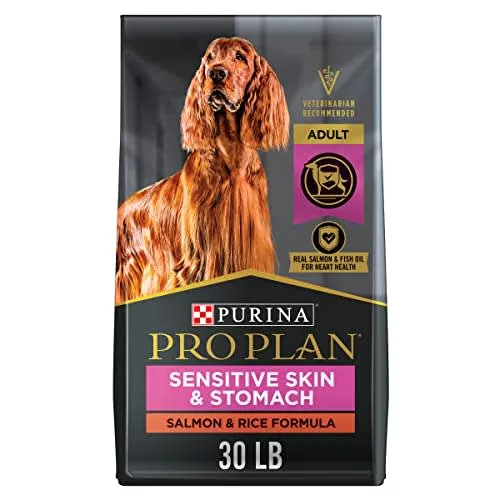
Best Dry Food for Sensitive Stomachs: Purina Pro Plan Sensitive Skin and Stomach
For dogs with food sensitivities that manifest as loose stools, occasional vomiting, or excessive itching, this formula is an excellent choice. It is crafted without corn, wheat, or soy, making it easier to digest for dogs with intolerances. The primary ingredient is high-protein salmon, a novel protein that is less likely to trigger allergies. It also contains probiotics and prebiotic fiber for digestive health, along with omega-6 fatty acids to support healthy skin and a shiny coat.
Best Dog Food for Large Breeds: Purina Pro Plan Large Breed Adult
Large and giant breeds have specific nutritional needs, particularly for joint health. Purina Pro Plan employs veterinary nutritionists to formulate their diets. This highly rated option is designed for large-breed adults and includes natural prebiotic fiber for digestive health, omega-6 fatty acids, and vitamin A for skin and coat health. It is a popular choice for active large dogs, and the brand also offers a weight-management formula for less active seniors.
Best Dog Food for Puppies: Hill’s Science Diet Puppy Small Bites
Supporting your puppy’s growth requires a carefully balanced diet. Hill’s Science Diet Puppy food is made with small, easy-to-digest kibble perfect for developing teeth. It contains natural omega-3 fatty acids from fish oil to support healthy brain and eye development, as well as a powerful blend of vitamin E and C to help build a strong immune system during this critical life stage.
Best Food for Active Dogs: Purina Pro Plan Sport Performance
For dogs with high energy demands, such as working dogs or those who are constantly on the go, this formula provides the fuel they need. With a ratio of 30% protein and 20% fat, it’s designed to keep their energy levels up. It also contains glucosamine and omega-3 fatty acids to help maintain joint health and mobility, which is crucial for active dogs.

Best Wet Food for Sensitive Stomachs: Hill’s Science Diet Adult Sensitive Stomach & Skin
Wet food can be an excellent way to add moisture and variety to your dog’s diet. This Hill’s Science Diet formula is specifically designed for dogs with sensitive stomachs. The turkey and rice stew is highly palatable and gentle on digestion, making it one of the few canned options that can be well-tolerated by dogs with chronic sensitivities.
Best Poultry-Free Dog Food: Merrick Grain-Free Salmon & Sweet Potato
For dogs with allergies to common proteins like chicken or beef, this Merrick formula offers a novel protein source. It combines deboned salmon with easily digestible sweet potatoes. Studies show that beef and chicken are among the most reported causes of food allergies in dogs. If your dog shows signs of allergies, such as excessive itching or vomiting, a poultry-free diet might be the solution.
Best Subscription Dog Food: The Farmer’s Dog
Fresh food delivery services have revolutionized pet nutrition. The Farmer’s Dog offers a subscription plan that delivers pre-portioned, ready-to-eat meals tailored to your dog’s specific needs. You begin by filling out a questionnaire about your dog’s age, weight, breed, and activity level, and the brand calculates a customized plan. The meals are made from human-grade ingredients and are gently cooked to preserve nutrients, a fact that often converts even the pickiest eaters.
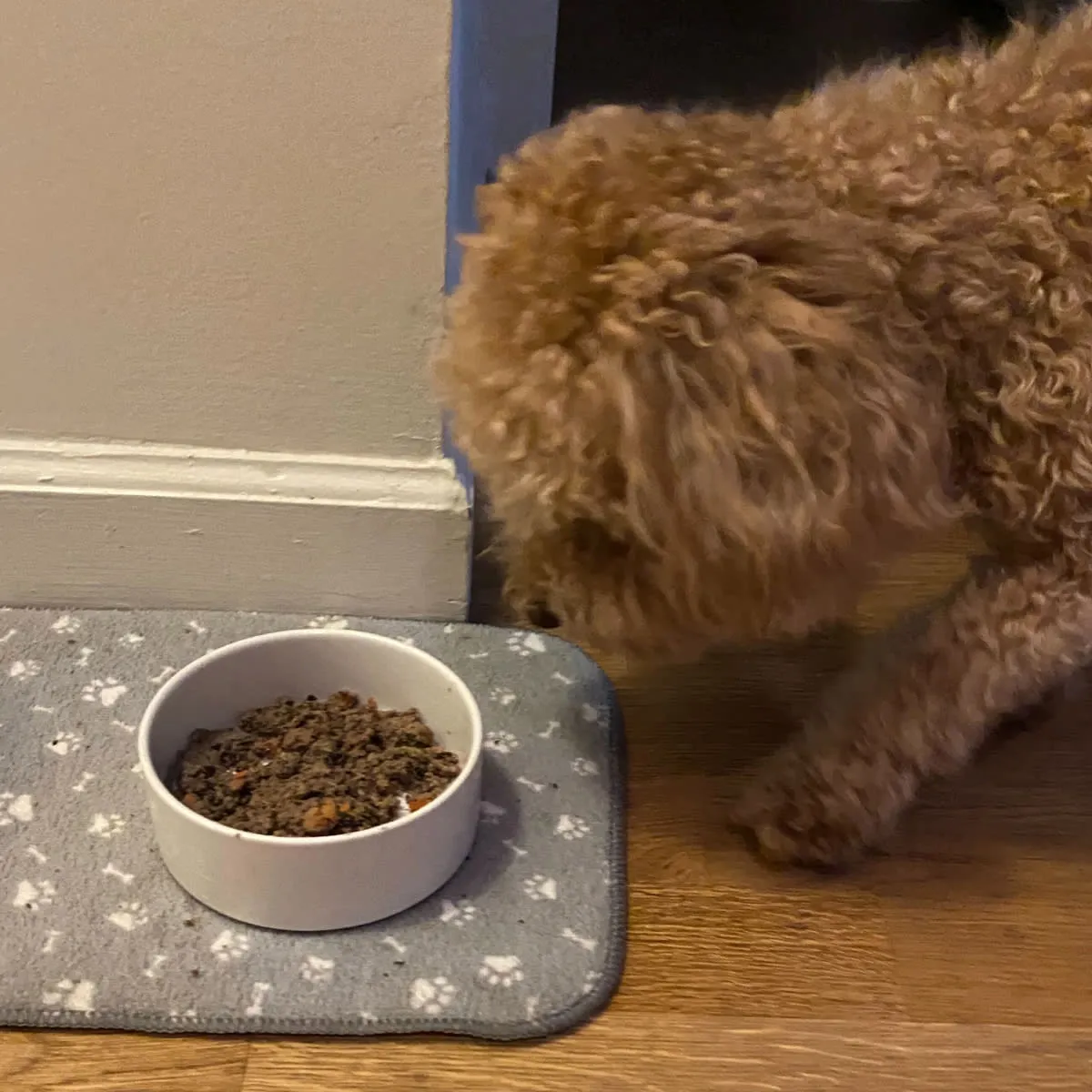 Brown dog eating fresh dog food from a white bowl
Best Canned Wet Dog Food: Royal Canin Veterinary Diet Adult Gastrointestinal
For dogs with gastrointestinal issues or those who need a low-fat option, this canned food from Royal Canin is a top choice. It requires veterinarian approval, ensuring that your dog’s specific health needs are being addressed. The formula includes prebiotics to support good gut bacteria, a blend of dietary fibers for healthy digestion, and omega-3 fatty acids to help soothe the GI tract.
Best Frozen Dog Food: Just Food For Dogs
This brand offers high-protein, low-calorie frozen meals made with locally sourced produce. Each recipe features a single source of protein, making it a great option for a limited-ingredient diet. The meals are formulated for all life stages and are conveniently packaged in pouches that can be stored in the freezer for up to 18 months. Once thawed, a pouch stays fresh for up to seven days in the refrigerator.
Addressing Common Concerns: Grain-Free, Raw Diets, and Toppers
As you navigate the world of dog food, you’ll encounter various trends and debates. Here’s what the experts say about some common topics.
Is Grain-Free Dog Food Better?
No, a grain-free diet is not inherently better for your dog. In fact, grains like corn, wheat, and barley provide valuable calories, fiber, vitamins, minerals, and antioxidants. True gluten intolerance in dogs is quite rare. Research is ongoing, but the FDA has been investigating a potential link between some grain-free diets and dilated cardiomyopathy (DCM) in dogs. Unless your dog has a specific allergy diagnosed by a vet, there is no need to avoid grains.
Is a Raw Diet Safe for My Dog?
Veterinarians strongly advise against feeding dogs raw diets. Raw meat-based diets carry a high risk of microbial pathogens, parasites, and bacteria that can not only make your dog sick but can also be transmitted to humans in the household. The process of cooking or high-pressure pasteurization is essential to eliminate these pathogens, which is why commercially prepared, cooked food is the safer choice.
Should I Use Dog Food Toppers?
Dog food toppers like bone broth, pumpkin, or blueberries can be a great way to entice a picky eater, but they should be used sparingly. If a dog is eating a complete and balanced diet, toppers are generally not necessary and can unbalance their diet if used excessively. Toppers should be treated like any other treat and should not make up more than 10% of your dog’s daily caloric intake.
Final Thoughts: Partnering with Your Veterinarian
Ultimately, the best person to guide you in choosing the right food for your dog is your veterinarian. They can assess your dog’s overall health, help you identify any underlying medical issues, and provide personalized recommendations based on your dog’s unique needs. Regular check-ups and open communication with your vet are the most reliable ways to ensure your furry friend enjoys a long, healthy, and happy life by your side. By investing in a high-quality, nutritionally balanced diet today, you are making a significant investment in your dog’s future well-being.