
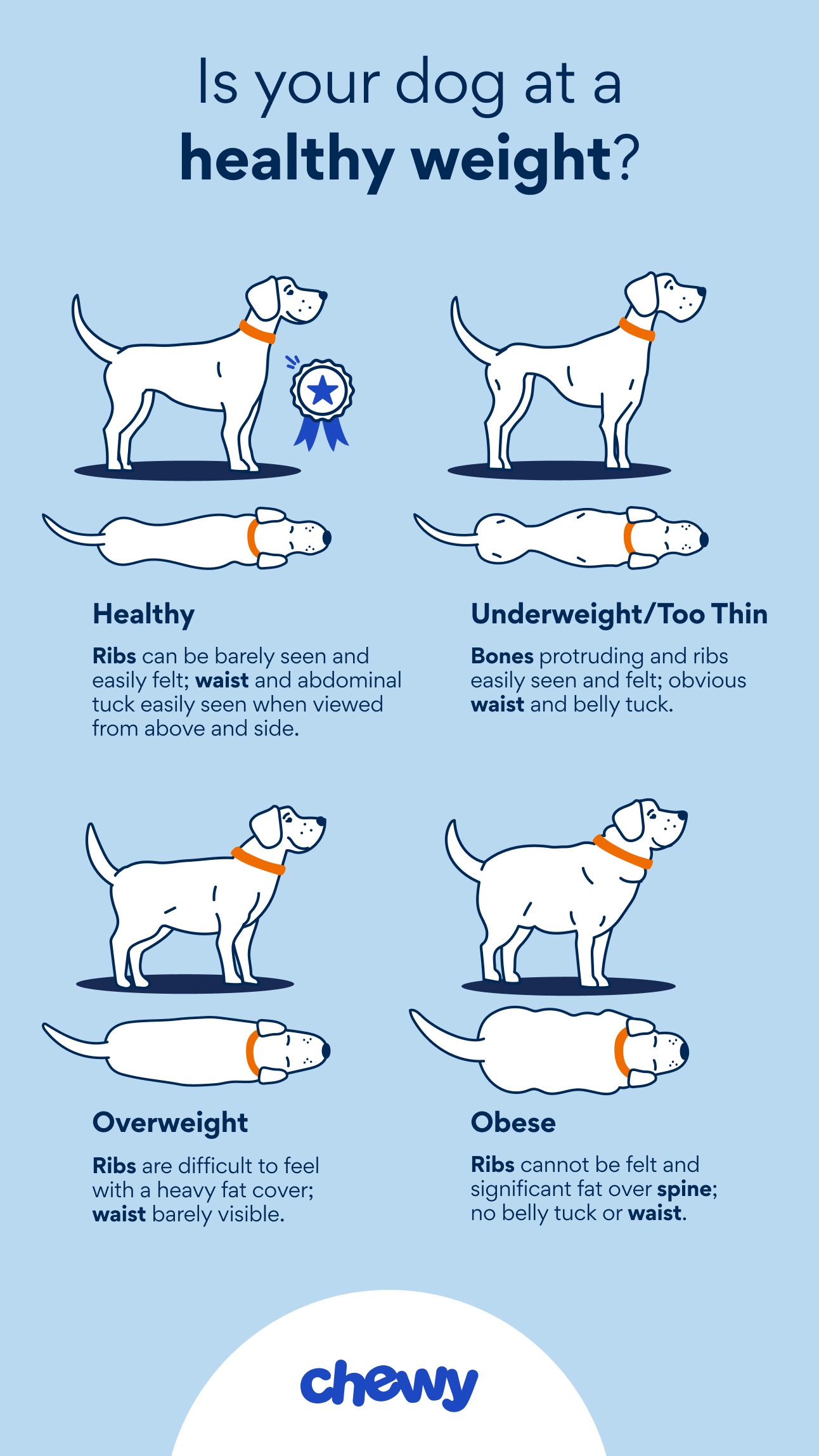
It’s a common concern for dog owners: noticing your furry friend has become thinner without any apparent changes to their diet or lifestyle. If this is the case, the first and most crucial step is to schedule a veterinary appointment. Underlying health issues can often be the culprit behind unexplained weight loss in dogs. Once your veterinarian has confirmed that your dog is healthy, you can then explore strategies to help them gain weight. This guide will walk you through the potential reasons for weight loss and effective methods to help your dog achieve a healthier weight.
Understanding Why Your Dog Might Be Losing Weight
Several factors can contribute to a dog losing weight. Some are easily identifiable, while others require a professional diagnosis.
Underlying Health Conditions
If your dog is exhibiting symptoms such as diarrhea, vomiting, lack of appetite, lethargy, or a sudden decrease in energy, it’s essential to consult a vet immediately. These can be indicators of various health problems. Some common medical causes for weight loss include:
- Cancer
- Dental problems, which can make eating painful
- Diabetes mellitus
- Food allergies or intolerances
- Gastro-intestinal disorders
- Kidney disease
- Liver disease
- Megaesophagus, a condition where the esophagus is enlarged
- Parasites like worms
For dogs that have recently given birth and are nursing, some weight loss is normal. Similarly, older dogs may naturally lose some weight. However, if you can see their ribs, it warrants a vet visit.
Stress and Environmental Changes
A dog’s emotional state can significantly impact their physical well-being. Changes in their living situation, a new family member, or even a disruption to their daily routine can cause stress, leading to a loss of appetite and subsequent weight loss. With time and a stable environment, many dogs adapt and their appetite returns.
Food Competition
In multi-dog households, competition for food can be an issue, especially if one or more dogs are food-aggressive. Observe your dogs during meal times. If you notice dominant dogs preventing others from accessing their food, separate feeding may be necessary to ensure each dog consumes adequate nutrition.
Determining the Cause of Your Dog’s Thinness
To effectively address your dog’s weight loss, a systematic approach is needed:
- Monitor Food Intake and Bathroom Habits: Keep a close eye on how much your dog eats and their elimination patterns.
- Assess Overall Health: Note any changes in behavior, energy levels, or physical appearance.
- Veterinary Check-up: This is paramount to rule out any serious medical conditions.
- Review Food Portions: Check the recommended serving sizes on your dog’s food packaging and adjust if necessary.
- Consider Diet Changes: Discuss with your vet about switching to a higher-calorie, nutrient-dense food. This could include a high-protein dry dog food or exploring a premium raw dog diet food to increase caloric intake while supporting digestive health.
Strategies for Helping Your Dog Gain Weight
Once your veterinarian has given your dog a clean bill of health, and there are no underlying medical issues, you can implement several strategies to help them gain weight.
Dietary Adjustments
- Palatable Food: Introduce a brand of dog food that your dog finds more appealing.
- Increased Meal Frequency: Offer at least two meals per day, and consider adding a third or fourth smaller meal.
- Nutrient-Dense Options: Choose foods that are high in fat and protein.
- Supplement with Healthy Additions: Incorporate cooked sweet potato and pumpkin into their meals.
- High-Fat Treats: Offer high-fat treats, especially before bedtime.
- Peanut Butter: Adding a tablespoon of peanut butter (ensure it’s xylitol-free) to their food can be a calorie boost.
Exercise Considerations
It’s a common misconception that you should cut back on exercise when trying to help your dog gain weight. However, regular exercise is crucial for maintaining overall health and ensuring their systems function properly. If a lack of exercise has contributed to your dog being underweight, you’ll want to focus on building muscle mass. This involves a healthy diet rich in complete amino acids, combined with consistent daily exercise, ideally twice a day. For dogs experiencing joint pain, consider supplements that can help alleviate discomfort. Always ensure adequate hydration, especially during warmer weather, and allow for recovery time between exercise sessions.
Incorporating Human Foods Safely
While sticking to an AAFCO-compliant premium dog food is generally recommended, certain human foods can be safely added to boost caloric intake. These include:
- Cheese
- Chicken Liver
- Cottage Cheese
- Fish oil
- Peanut Butter
- Pumpkin
- Raw meats (ensure they are human-grade and handled safely)
- Sweet potato
- Tuna
These can be mixed into their regular food or offered as nutritious snacks between meals. Many dogs find these highly appealing, making them a good option for picky eaters. However, it’s crucial not to rely solely on human foods, as this can lead to nutritional deficiencies.
The Role of Veterinary Guidance
A veterinarian can be an invaluable partner in helping your dog gain weight. They can recommend specific foods designed to increase a dog’s weight safely, considering factors like taste, digestibility, and caloric content. There are specialized foods available for dogs that struggle to gain weight, those tailored to specific life stages, and diets for highly active dogs that burn more calories. Your vet will help you select the best pedigree dog food or other dietary options to suit your dog’s individual needs.
Selecting the Right Food for Weight Gain
When choosing dog food, pay close attention to the label. Look for foods where protein is listed as the first ingredient, indicating a high protein content, which aids in muscle development. Fat content is also important for providing the necessary calories for daily energy. Compare different brands and consider options like best puppy food for medium breeds if your dog is still growing. Similarly, high-protein and high-fat treats can be beneficial. Always read the ingredient list carefully to ensure you are providing the healthiest options.
Conclusion: A Holistic Approach to Helping Your Dog Gain Weight
Ensuring your dog maintains a healthy weight is vital for their overall well-being and longevity. If your dog is losing weight, the first priority is to rule out any serious health concerns with a veterinarian. If your dog is healthy but thin, implementing dietary changes, ensuring appropriate exercise, and providing a stable, stress-free environment can make a significant difference. Offer them palatable food, consider high-calorie treats, and maintain a consistent routine. By working closely with your veterinarian and making informed choices about their diet and lifestyle, you can help your beloved companion regain weight and enjoy a long, healthy life by your side.
References:
4 Ways to Fatten Up a Dog. (n.d.). wikiHow. Retrieved from https://www.wikihow.com/Fatten-Up-a-Dog
How To Build Muscle On A Dog With Food. (n.d.). BarkVA. Retrieved from https://www.barkva.org/build-muscle-on-dog-with-food/
Tips for Choosing a Food for Dog Weight Gain. (n.d.). PetMD. Retrieved from https://www.petmd.com/dog/nutrition/whats-best-dog-food-weight-gain