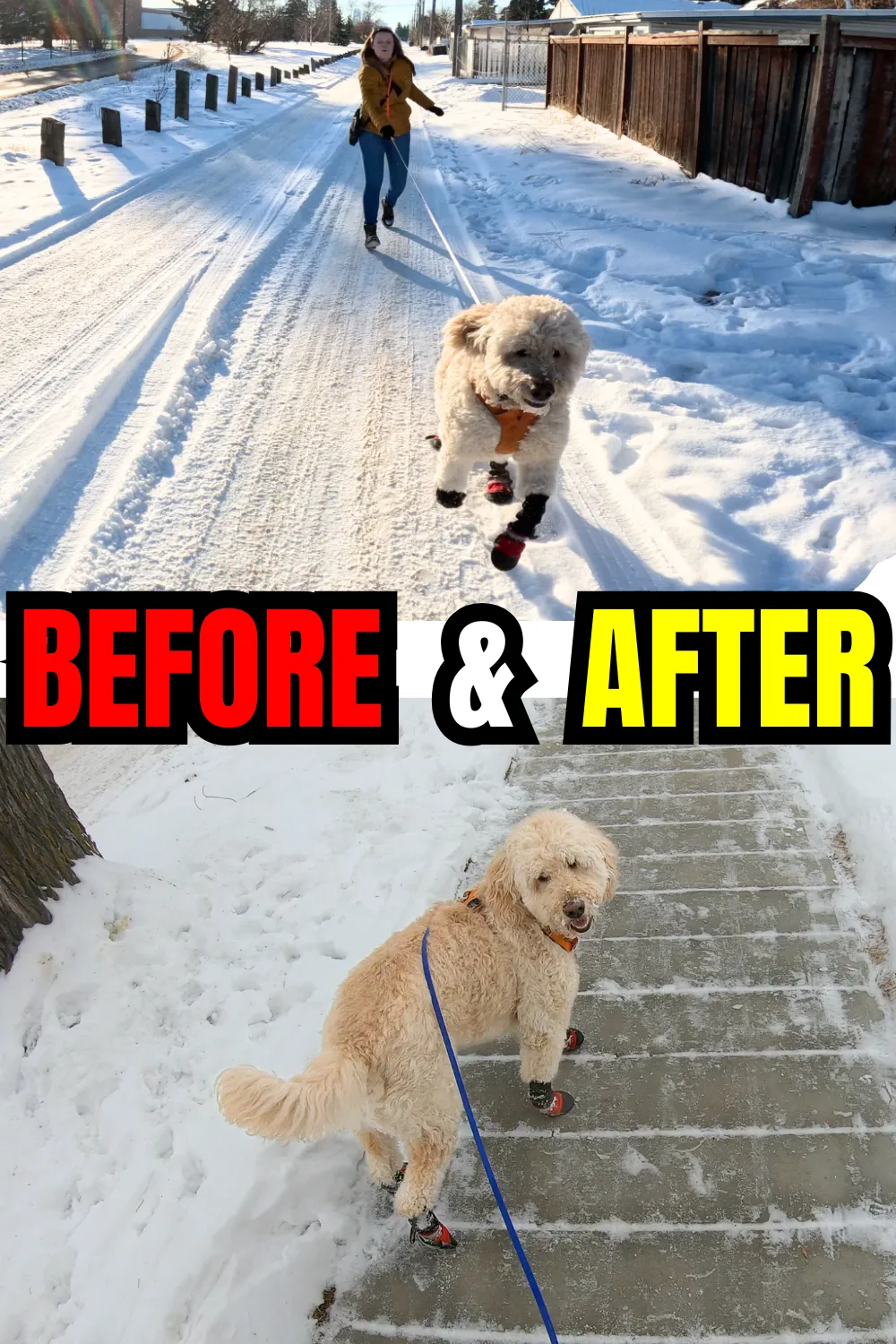
Loose leash walking can be a challenge for many dog owners, but it’s a crucial skill for enjoyable outings. If you’re finding that your dog immediately pulls again after receiving a treat for walking nicely, this guide offers five practical tips to help you achieve a more relaxed walk. These methods focus on reinforcing desired behaviors and managing your dog’s energy and focus.
1. Start Walks with an Engaging Recall Game
Preventing leash pulling often starts before you even leave the house. By incorporating a simple “recall” game at the beginning of your walk, you can help burn off some of your dog’s excess energy and reinforce their tendency to re-orient themselves towards you.
To play this game:
- Prepare a small handful of treats and have your dog on a long leash.
- Place two to three treats on the ground near your dog. As your dog finds and eats these treats, move to the end of the leash.
- Once they finish, call your dog’s name. As they begin to run towards you, use your marker word to indicate they’ve done what you wanted, and then reward them with a treat from your hand upon arrival.
- Repeat by dropping more treats and moving away again.
- After a few rounds of calling your dog, try staying quiet and see if they will chase after you without a cue. This encourages checking in and following you as their default behavior. This simple game is a fantastic way to build more engagement from your dog on walks and have them pay attention to where you are. This significantly helps with leash pulling!
2. Reinforce an Incompatible Behavior
A highly effective strategy for managing and preventing leash pulling is to cue your dog to return to you if you anticipate they are about to pull. This involves reinforcing a behavior that is incompatible with pulling. For instance, when teaching a dog not to jump, you can cue a ‘sit’ because sitting prevents jumping.
Similarly, during leash training, if you notice your dog’s interest is piqued and they might pull, you can cue them to return to you. You don’t need to wait for the pulling to happen before intervening.
3. Reassess the “Be a Tree” Method
The “be a tree” method is a common force-free technique where you stop moving whenever your dog pulls, and only resume walking when the tension on the leash is released. This method utilizes negative punishment by removing the desirable forward motion.
While this can work for some dogs, more active or younger dogs might become frustrated with the constant stopping. A preferred approach in dog training is to actively reward the behaviors you want to see. This means rewarding longer durations of loose leash walking while continuously moving forward.
4. Implement Directional Changes
A preferred method for addressing leash pulling is to change direction completely. When your dog pulls, call their name and immediately start walking in the opposite direction. Mark and reward them when they are by your side. Continue in the new direction as long as they maintain a loose leash. If they pull again, repeat the process by turning in a different direction.
This method keeps the training dynamic and allows you to reward the desired loose-leash behavior. Initially, you may not cover much ground due to frequent turns, but this technique is highly effective over time. If constantly changing directions isn’t feasible, especially on your way home, consider the next tip.
5. Use a Treat Toss for Secondary Reward
When your dog pulls, call them back to you and then toss a treat reward on the ground behind you. As soon as your dog has consumed the treat, begin walking in the original direction again. Reward them again once they catch up to your side. This technique encourages your dog to move behind you, giving them an opportunity to catch up and be rewarded while in motion.
For video demonstrations of these techniques, watch THIS comprehensive guide. For more advice on leash training, explore “10 Tips to IMMEDIATELY Improve Pulling on Leash”.
Happy training!